Aeroponics: Growing Sustainable Gardens in the Modern Age
Aeroponics
eroponics grows edibles faster, healthier, and uses 95% less water than traditional methods. With nutrient-rich mist nourishing roots suspended in air, aeroponics sheds soil's weight and limits, letting gardeners produce thriving plants even in tight urban spots. Curious how aeroponics stacks up as the sustainable gardening solution we've long hoped for? Let's take a closer look.
Table of Contents7 sections
- What Exactly is Aeroponics?· 1 min
- How Aeroponics Actually Works· 1 min
- Real Benefits I've Seen From Aeroponics Gardening· 1 min
- What Can You Grow With Aeroponics?· 1 min
- Challenges I Faced: And How I Overcame Them· 1 min
- Why Aeroponics Might Be the Future of Gardening· 1 min
- Is Aeroponics Worth Trying at Home?· 1 min
What Exactly is Aeroponics?
First time I heard "aeroponics," I scoffed and thought someone was pulling my leg. Plants dangling mid-air with roots misted in nutrients: sounded like garden sorcery.
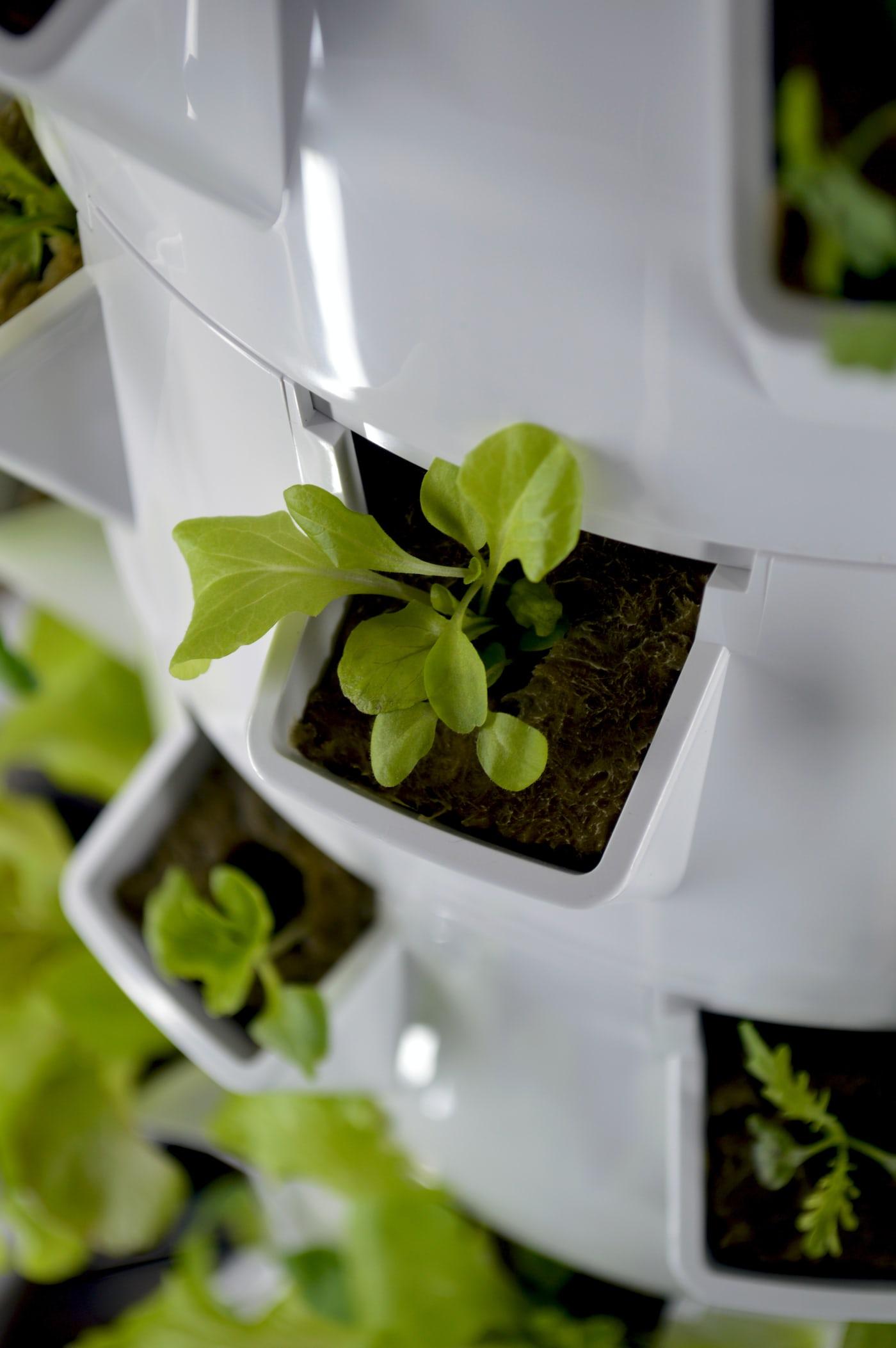
Turns out, aeroponics is real, and impressively effective. Picture plants growing without soil or water pools, their roots free-hanging, absorbing nutrients sprayed as fine mist.
How Aeroponics Actually Works
Years back, visiting an aeroponics setup, I watched roots suspended in enclosed trays, gently sprayed with nutrient-rich mist every few minutes. Roots absorb precisely what they need: water, nutrients, oxygen; nothing more, nothing less.
It's a controlled, clean, and precise plant-care method. No excess water, no wasted nutrients: just efficient growth.
Pretty straightforward, and surprisingly satisfying to assemble.
Real Benefits I've Seen From Aeroponics Gardening
I've tried soil gardening, hydroponics, and aquaponics. But the aeroponics setup blew my mind.
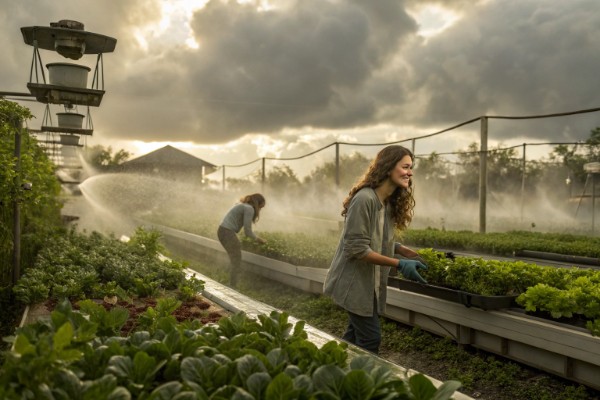
Aeroponics systems are compact, clean, and highly productive. Perfect for urban gardens or limited spaces.
What Can You Grow With Aeroponics?
I experimented with everything from leafy greens and herbs to tomatoes and strawberries. Lettuce and basil grew faster than I could harvest them.
Even root vegetables: like potatoes and carrots: thrive, though root crops demand deeper chambers. Fruit-bearing plants require more nutrients but reward you generously once dialed in.
Challenges I Faced: And How I Overcame Them
I'll admit, aeroponics isn't entirely carefree. Power outages or equipment malfunctions can quickly stress your delicate plant roots.
Keeping spare pumps handy, choosing reliable timers, and checking nozzles regularly reduce risks dramatically. A backup power source or manual spray bottle can save the day: trust me.
Another tip: Nutrient solutions need regular monitoring. At first, it feels like chemistry homework, but soon it becomes second nature.
Why Aeroponics Might Be the Future of Gardening
Sustainable agriculture demands thoughtful resource use. Aeroponics aligns beautifully with sustainability principles: efficient water use, low inputs, minimal waste.
Personally, I appreciate knowing exactly what's touching my veggies: no pesticides, minimal fertilizers, just clean nutrients and air.
Watching plants thrive in mid-air feels futuristic yet wonderfully natural. It reminds me of Terence McKenna's musings: nature evolving alongside human ingenuity at accelerated rates.
Is Aeroponics Worth Trying at Home?
Absolutely. Early adopters might find a learning curve, but the rewards: fresh crops, minimal environmental impact, rapid growth: make it deeply fulfilling.
Start small with simple leafy plants, fine-tune your approach, then scale up. Soon, you'll happily find yourself explaining to neighbors how your plants float effortlessly mid-air, roots misted with nutrients: like magic, only better.
Cheatsheet: Aeroponics at Home & Urban Spaces
Water Efficiency
Uses 90% less water than soil methods.
Rapid Growth
Achieve up to 3x faster crop cycles.
Nutrient Density
Rich nutrients enhance flavor and nutritional value.
Pest and Weed Control
No weed pressure and minimal pests.
Space Utilization
Grow vertically in compact spaces.
Food Security
Enhances self-reliance with homegrown produce.
Essential Equipment
Need aeroponic tower or DIY chamber, water pump, and mist sprayers.
Nutrient Management
Use hydroponic nutrients; balance pH levels regularly.
Setup and Maintenance
Monitor temperature and humidity; check systems weekly.
Ideal Crops
Best for leafy greens, herbs, and strawberries.
Want a more guided way to practice aeroponics?
Frequently Asked Questions about Aeroponics
What plants thrive best in aeroponic systems?
Many plant varieties thrive within an aeroponic environment, especially leafy greens such as lettuce, spinach, kale, and herbs like basil, mint, and cilantro. Additionally, strawberries, tomatoes, peppers, and certain root vegetables like potatoes grow efficiently using aeroponics, offering rapid growth cycles and superior yields.
How often should nutrient mists be applied in aeroponics?
Optimal misting intervals depend upon the plant species and environmental conditions. Typically, misting cycles of approximately 5 seconds every 3-5 minutes provide sufficient hydration and nutrient supply. Monitoring plant response and adjusting mist frequency accordingly ensures healthy root growth and plant development.
What type of nutrients do aeroponic systems require?
Aeroponic systems depend upon water-soluble nutrient solutions containing essential elements such as nitrogen, phosphorus, potassium, calcium, magnesium, and micronutrients. Selecting well-balanced, carefully monitored nutrients promotes vigorous root and plant growth and prevents deficiencies.
How do aeroponic systems prevent root diseases?
Aeroponic systems greatly reduce the risk of root diseases by suspending roots freely in air and limiting exposure to pathogens prevalent in soil-based systems. Periodic misting, proper sterilization, and adequate ventilation maintain sanitary conditions and promote robust root health.
Can aeroponics be used indoors or only outdoors?
Aeroponic setups function effectively both indoors and outdoors. Indoor aeroponic environments allow precise environmental controls like temperature (60-75°F / 16-24°C), humidity, and lighting, enabling year-round production. Outdoor systems benefit from natural sunlight but require monitoring of environmental fluctuations.
How much water is saved using aeroponic growing techniques?
Aeroponics drastically reduces water use compared to traditional farming methods. By delivering nutrients directly to plant roots via mist, aeroponic systems use approximately 90% less water, minimizing waste and significantly increasing sustainability.
How does aeroponics compare to hydroponics regarding plant growth?
Both aeroponics and hydroponics offer rapid plant growth and controlled conditions. However, aeroponics typically accelerates plant development due to increased oxygen availability at root zones, resulting in quicker maturation, larger yields, and healthier root systems compared to conventional hydroponics.
Is aeroponics suitable for commercial-scale agriculture?
Absolutely. Aeroponic technology scales effectively for commercial operations, offering high-density planting, faster crop turnover, reduced water consumption, and enhanced crop quality. Many commercial growers successfully implement aeroponics to meet market demands sustainably and efficiently.
Conclusion
Aeroponics strips things down to the roots: literally. You get faster growth, less water waste, and fewer pests. There’s a thrill in watching plants thrive on suspended mist, no soil needed. Sure, it asks for some attention and the right setup, but the payoff is fresh produce and a lighter footprint. Aeroponics is about growing smart: lean, clean, and efficient. If you’re ready to rethink how food can be grown, this method offers a clear path forward. For more ways to refine your approach, see the category page at taim.io/blog.


