Biodynamic Gardening: A Holistic Approach for Healthy Gardens
Biodynamic Gardening
iodynamic gardening breathes life into your soil, syncing plants with nature's rhythms for healthy, vibrant growth. Born from Rudolf Steiner's holistic methods, biodynamic gardening balances compost, lunar cycles, and biodiversity to fortify your garden naturally. Ready to cultivate a garden that nourishes you and the earth? Grab a cup, settle in, and discover how to grow differently.
Biodynamic Gardening Essentials
- Biodynamic gardeningroots of idea
- Holistic philosophy
- Lunar and cosmic rhythms
- Soil, compost, preparations
- Biodiversity and animals
- Comparing to organic gardening
- Skepticism and evidence
- Practices in your garden
Article mapOpen the visual summary
Biodynamic Gardening Essentials
- Biodynamic gardeningroots of idea
- Holistic philosophy
- Lunar and cosmic rhythms
- Soil, compost, preparations
- Biodiversity and animals
- Comparing to organic gardening
- Skepticism and evidence
- Practices in your garden
Table of Contents10 sections
- Understanding Biodynamic Gardening: More Than Moonlight and Magic· 1 min
- Principles Behind the Practice· 1 min
- Implementing Biodynamics in Your Garden· 1 min
- Try Lunar Gardening
- Create Biodynamic Compost
- Encourage Biodiversity
- Integrate Livestock (if feasible)
- Biodynamics vs. Organic Gardening: What's the Difference?· 1 min
- Does Biodynamic Gardening Really Work?· 1 min
- A Holistic Approach Worth Trying· 1 min
Understanding Biodynamic Gardening: More Than Moonlight and Magic
When I first heard about biodynamic gardening, visions of mystics burying cow horns under moonlit skies filled my skeptical mind. And honestly, there's some of that going on, but bear with me.
Biodynamics, pioneered by Rudolf Steiner in 1924, marries organic gardening with celestial cycles, subtle energies, and holistic land management practices. After years of experimenting in my garden, I've come to appreciate its rhythm and unexpected wisdom.
Principles Behind the Practice
Gardening by the lunar calendar sounded like hocus-pocus at first. Yet, planting carrots during moon's descending phases or leafy greens as it ascends noticeably improved vigor and yield in my patch.
Reflecting celestial rhythms in your planting calendar follows nature's lead: something our ancestors practiced intuitively.
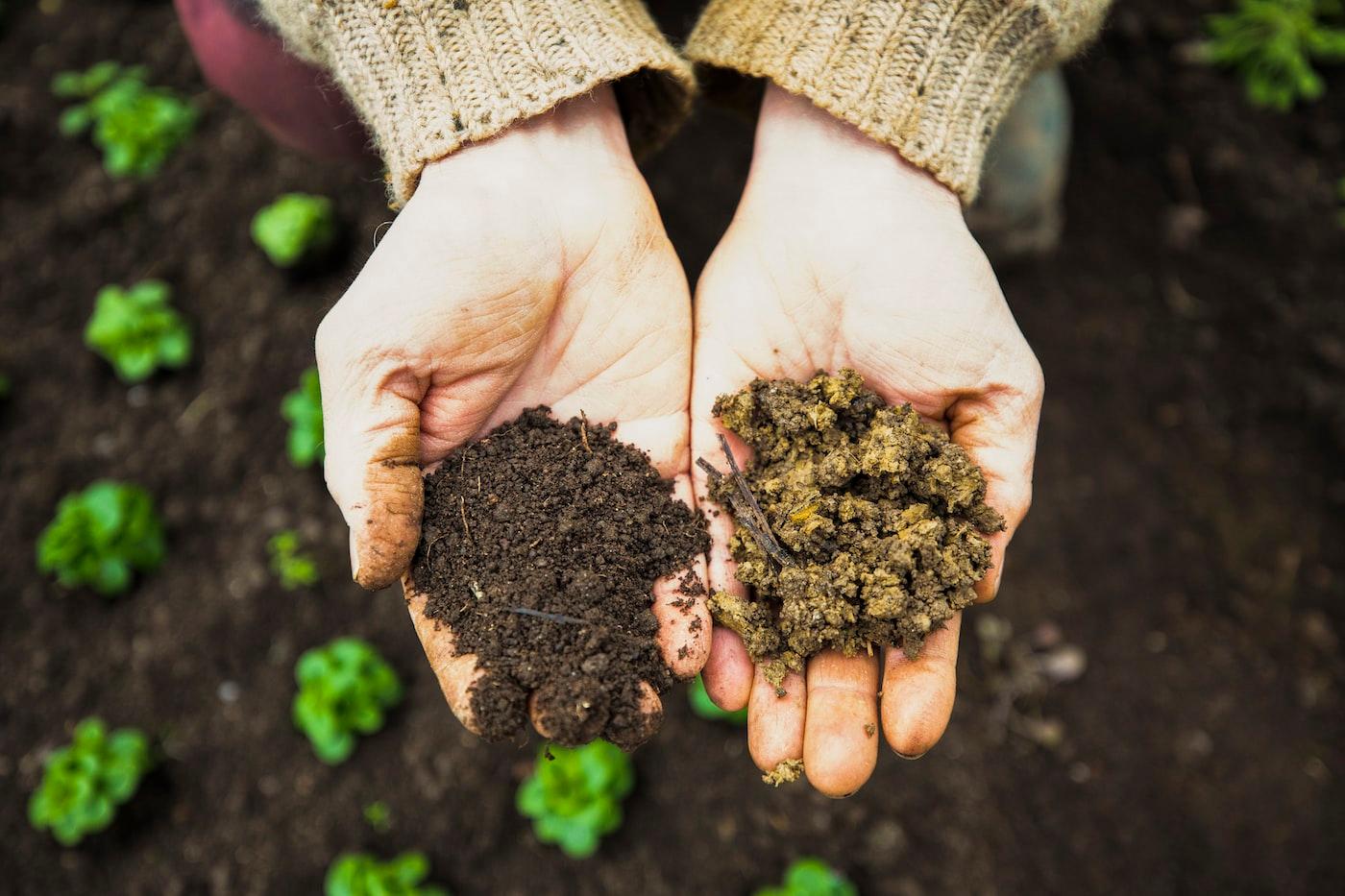
The foundation in biodynamics is treating soil as alive and vibrant. Compost preparations become potent elixirs: compounds infused with yarrow, chamomile, nettle, oak bark, dandelion, and valerian.
Months after adding biodynamic compost to my beds, earthworms multiplied, microbial life blossomed, and soil structure visibly improved.
Biodynamic methods encourage integrated garden environments. Chickens roam freely in mine, scratching soil, eating pests, and fertilizing naturally.
Incorporating animals not only boosts fertility; it creates a harmonious mini-ecosystem mirroring nature's balance.
Implementing Biodynamics in Your Garden
If biodynamics piques your curiosity, these practical steps can help you start:
- 1
Try Lunar Gardening
Test planting, pruning, or harvesting according to lunar cycles. Observe your garden's response. I've found significant improvements in flavor, vigor, and shelf life. - 2
Create Biodynamic Compost
Blend plant-based preparations into compost piles. After applying biodynamic compost, plant resilience in my garden multiplied dramatically. - 3
Encourage Biodiversity
Cultivate diverse species, avoid monocultures, and invite beneficial insects. When I added pollinator-friendly flowers alongside veggies, yields soared, and pest problems plummeted. - 4
Integrate Livestock (if feasible)
Chickens, ducks, or goats contribute greatly to garden vitality. If space allows, their presence noticeably boosted soil fertility and pest control for me.
Biodynamics vs. Organic Gardening: What's the Difference?
Organic gardening avoids synthetic chemicals, focusing on natural methods. Biodynamics takes this further, incorporating cosmic rhythms, animal integration, and specialized preparations.
It's like comparing good coffee to great espresso: both excellent, with biodynamics adding complexity and depth.
Does Biodynamic Gardening Really Work?
Skeptics abound, questioning biodynamics' scientific validity. True, peer-reviewed studies remain scarce; yet, personal experiences convince me otherwise.
After adopting biodynamic practices, produce tasted richer, pests decreased, and plants thrived noticeably better.
A Holistic Approach Worth Trying
Admittedly, burying cow horns stuffed with manure feels strange initially: I felt ridiculous myself. But spending seasons observing, tasting, and harvesting convinced me of its subtle yet profound effectiveness.
Biodynamic gardening offers a gentle rebellion against industrial agriculture: realigning us with natural cycles and ancient wisdom. Give it a try; your garden may reward you richly.
Cheatsheet: Biodynamic Success for Vibrant Gardens
Principles of Biodynamic Gardening
Treat the garden as a self-sustaining organism, syncing tasks with lunar and planetary rhythms.
Lunar Planting Calendar
Plant root crops on earth days, leafy greens on water days, following waxing or waning moon phases for optimal growth.
Compost and Preparations
Incorporate biodynamic preparations 502-507 into compost and apply 500 (horn manure) and 501 (horn silica) correctly.
Fostering Biodiversity
Promote diverse plant species, rotate crops annually, and attract beneficial insects to reduce pest risks.
Health and Nutrition
Enhance nutrient density (e.g., up to 30% more calcium) and improve self-sufficiency with biodynamic practices.
Necessary Tools and Supplies
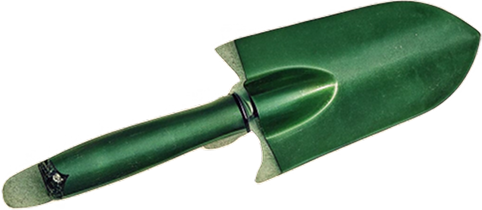
Prepare with compost bins, stirring tools, biodynamic preparations, a spray backpack, and a biodynamic calendar.
Want a more guided way to practice biodynamic gardening?
Frequently Asked Questions About Biodynamic Gardening
How does biodynamic gardening differ from organic gardening?
While both biodynamic gardening and organic gardening eliminate synthetic chemicals, biodynamic approaches take an integrated view, considering lunar cycles, planetary movements, and holistic soil enrichment practices. Organic gardening primarily addresses soil fertility and pest control naturally, whereas biodynamics incorporates cosmic rhythms and specialized preparations to boost plant vitality.
What role does lunar planting play in a biodynamic garden?
Lunar planting utilizes the moon's phases to time gardening activities, promoting optimal growth. Planting leafy vegetables during waxing phases encourages foliage development, while root crops benefit from planting during waning phases. This alignment with lunar cycles leverages natural rhythms to encourage vigorous plant growth and health.
Are there specific preparations required for biodynamic gardening?
Yes, biodynamic gardeners use specialized homeopathic-style preparations labeled 500 to 508. These natural formulas, derived from herbs, minerals, and composted animal manures, enrich compost, enhance soil microbiology, and fortify plants against diseases. Applying these preparations according to seasonal and planetary calendars increases soil fertility and plant resilience.
Can biodynamic gardening methods be applied to container gardening or urban spaces?
Absolutely. Biodynamic principles adapt effectively to container gardening and urban gardening scenarios. Select appropriate containers, maintain high-quality compost enriched with biodynamic preparations, and follow lunar planting calendars for sowing seeds and transplanting seedlings. Even small urban spaces benefit greatly from biodynamic methods, resulting in vibrant plants and improved produce quality.
How can pest management be handled effectively in biodynamic gardening?
Biodynamic pest management emphasizes creating balanced ecosystems, utilizing plant diversity, companion planting, and beneficial insects rather than chemical interventions. Integrating flowering plants that attract beneficial insects and applying biodynamic preparations build naturally resilient gardens. Regular observation and timely interventions foster healthy ecosystems that naturally suppress pests.
What types of compost work best in biodynamic gardening?
Compost enhanced with biodynamic preparations delivers optimal results. These composts include organic plant material, animal manure, and mineral amendments, transformed through specific biodynamic preparations designed to stimulate microbial activity. Regularly applying biodynamic compost greatly improves soil structure, fertility, and moisture retention.
Does climate affect the implementation of biodynamic gardening practices?
Yes, climate influences the timing and adaptation of biodynamic practices. Gardeners in colder regions adjust planting schedules to accommodate shorter growing seasons, while warmer climates prioritize soil moisture management and heat-resistant plant selections. Regardless of climate, biodynamic calendars and preparations remain effective; gardeners simply adjust their timing and specific practices accordingly.
How soon can gardeners expect results after implementing biodynamic techniques?
Gardeners typically observe initial improvements within a single season, particularly regarding plant health and soil vitality. However, the broader transformations, such as increased biodiversity and improved long-term soil fertility, usually become more evident after one full growing cycle or about one year. Consistent practice over multiple seasons yields greater cumulative benefits to plants and soil alike.
Conclusion
Biodynamic Gardening doesn’t chase quick fixes—it honors the rhythms of nature, the invisible threads that tie soil, plant, and gardener together. By tuning into natural cycles, using composts and teas, and trusting cosmic cues, you build more than just healthy soil; you create a living system that gives back season after season. The results? Vibrant produce, resilient plants, and a sense of connection you won’t find in a bag of synthetic fertilizer. If you’re serious about growing food that’s alive and honest, or want to tackle weeds with respect for the earth, biodynamics offers tools—and a mindset—that stick with you. It’s slow, sometimes messy, but deeply rewarding work. Trust the process, respect your patch, and let nature’s wisdom take the lead.


