Backyard Gardening: The Delight of Growing Fresh Vegetables
Backyard Gardening
eady to taste produce at peak freshness? Backyard gardening delivers succulent tomatoes, crunchy lettuce, and aromatic herbs directly from soil to kitchen. With basic tools, minimal space, and a bit of sunlight, backyard gardening rewards you with vibrant harvests, year after year. And satisfaction money can't buy. Here's how to start your edible oasis.
Table of Contents1 sections
The Simple Pleasure of Backyard Gardening
- 1
Choose Your Spot
Select a patch receiving at least 6 hours of daily sunlight, ensuring healthy plant growth.
- 2
Prep Your Soil
Loosen and amend your soil with compost, promoting optimal nutrient levels and texture.
- 3
Determine Your Crops
Pick easy-to-grow plants like tomatoes, beans, lettuce, and carrots to build confidence quickly.
- 4
Sow or Transplant
Start from seeds directly in the ground, or transplant nursery-grown seedlings for an earlier harvest.
- 5
Tend Consistently
Water regularly, keep weeds at bay, and observe each plant's unique needs.
There's nothing quite like stepping into your backyard after sunrise, coffee steaming in hand, and greeting your thriving crops. A modest vegetable patch offers satisfaction and a touch of independence you can't replicate elsewhere.
If you've ever tasted a sun-warmed tomato right off the vine, store-bought produce suddenly pales. There's a distinct, sweet purity to eating vegetables you've nurtured yourself.
Last summer, my homegrown zucchinis became a slight obsession. From grilled slices drizzled with olive oil to rich zucchini bread, the abundance from just a few plants surprised even me.
Gardening, I've found, is equally nourishing for mind and soil. Digging, planting, and watering offer a meditative quality that can't be overstated.
After a stressful week, spending an hour pulling weeds or thinning seedlings resets my perspective and reconnects me with nature's rhythm.
Getting a garden started requires little beyond enthusiasm and a slice of earth. Here’s a simple breakdown of essential steps to initiate your own backyard gardening adventure:
Witnessing a tiny seed sprout, mature, then bear fruit feels downright magical. Backyard gardening reconnects you with cycles far older and wiser than we understand.
Last fall, watching honeybees dance tirelessly among my flowering herbs reminded me again how our gardens feed far more than just ourselves.
Teaching my niece to pull up carrots (her eyes wide at the sight of orange roots emerging from the dark earth) gave me a sense of purpose deeper than any harvest could. Gardening passes traditions, reinforces sustainable living, and evokes timeless lessons about patience and fulfillment.
Sure, backyard gardening requires sweat, patience, and a willingness to combat slugs or hungry rabbits. But every blister, sunburn, and sore muscle fades quickly when tasting that first crisp cucumber or tender snap bean straight off the vine.
Backyard gardening offers a humble yet profoundly meaningful pursuit, nourishing both the table and soul in equal measure.
- 1
Choose Your Spot
Select a patch receiving at least 6 hours of daily sunlight, ensuring healthy plant growth. - 2
Prep Your Soil
Loosen and amend your soil with compost, promoting optimal nutrient levels and texture. - 3
Determine Your Crops
Pick easy-to-grow plants like tomatoes, beans, lettuce, and carrots to build confidence quickly. - 4
Sow or Transplant
Start from seeds directly in the ground, or transplant nursery-grown seedlings for an earlier harvest. - 5
Tend Consistently
Water regularly, keep weeds at bay, and observe each plant's unique needs.
Cheatsheet: Backyard Veggie Growing for Flavor & Health
Homegrown Nutritional Benefits
Homegrown vegetables can contain up to 50% more nutrients than store-bought.
Self-Sufficiency & Savings
Growing food increases self-sufficiency and reduces grocery bills.
Mental Health & Sunlight
Dirt time lowers stress; vitamin D from sun enhances well-being.
Essential Gardening Tools
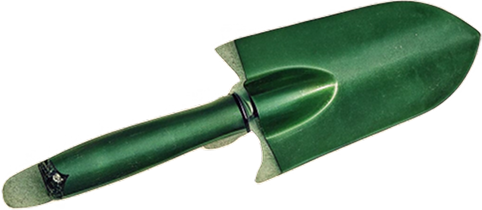
Hand trowel, soil fork, watering can, pruners are key tools.
Soil and Space Preparation
Prep soil with compost, select sunny spots with good drainage.
Ideal Vegetables for Quick Success
Start with lettuce, radish, spinach, tomatoes, and zucchini.
Optimal Planting Times
Direct seed cool crops before last frost; transplant warm crops after.
Effective Watering Techniques
Water 1 inch weekly, mulch to retain moisture.
Pest Control Best Practices
Use organic sprays and hand-removal for pest management.
Timely Harvesting
Harvest early morning for best flavor and nutrition.
Want a more guided way to practice backyard gardening?
Frequently Asked Questions About Backyard Gardening
What vegetables grow easily in a backyard garden?
For beginners, start planting leafy greens like lettuce, spinach, and kale, along with radishes, carrots, zucchini, and tomatoes. These plants thrive in most backyard gardens, requiring minimal maintenance and rewarding gardeners with abundant yields.
How much sunlight should vegetables get in backyard gardening?
To flourish properly, most vegetables prefer six to eight hours of direct sunlight daily. While leafy greens manage in partial shade, tomatoes, peppers, and cucumbers rely significantly on full sunlight to achieve maximum growth and fruit production.
How frequently should I water my vegetable garden?
Vegetable plants need consistent moisture, typically about 1 inch (2.5 cm) of water per week. Provide water regularly, directing moisture toward plant roots. During dry conditions or hot spells above 85°F (30°C), check moisture levels more often to prevent plants from wilting and to encourage optimal growth.
What soil type suits backyard vegetable gardening best?
Vegetable plants thrive in well-draining, fertile soil, enriched with organic matter like compost or well-aged manure. Aim for a slightly acidic to neutral pH of 6.0 to 7.0, ensuring vigorous growth and productive harvests.
When is the ideal planting time for vegetables?
Your ideal planting time depends heavily on local climate conditions and frost dates. Cool-season crops like peas, spinach, and carrots tolerate temperatures as low as 40°F (4°C) and can be planted early spring. Warm-season plants such as tomatoes and peppers prefer soil temperatures consistently above 60°F (16°C), typically from mid-spring onward.
Are raised garden beds beneficial for backyard gardening?
Raised garden beds offer numerous advantages, including improved soil drainage, easier weed control, reduced soil compaction, and simplified access for planting and harvesting. They particularly benefit gardeners dealing with poor natural soil conditions or limited gardening space.
How do I naturally protect my vegetables from pests?
Promote a balanced garden environment by attracting beneficial insects like ladybugs and praying mantises. Combine crop rotation, companion planting, and natural repellents: such as neem oil and garlic sprays, to maintain healthy plants and mitigate pest populations.
Conclusion
Backyard gardening strips life down to the essentials: dirt under your nails, the smell of tomato leaves, the quiet thrill of a fresh-picked pepper. Growing your own food teaches patience and rewards grit. You learn to respect the quirks of the seasons, and you get food that tastes like food, crisp, sweet, real. Nutrient-dense vegetables don’t just fill your plate; they feed your soul. If you want to get more from your patch, check out these tips for a bountiful harvest. In the end, backyard gardening is about the everyday magic of watching something grow, and, honestly, the food is just a bonus.


