Eggshells as a Natural Limestone Substitute for Acidic Soil
Eggshells
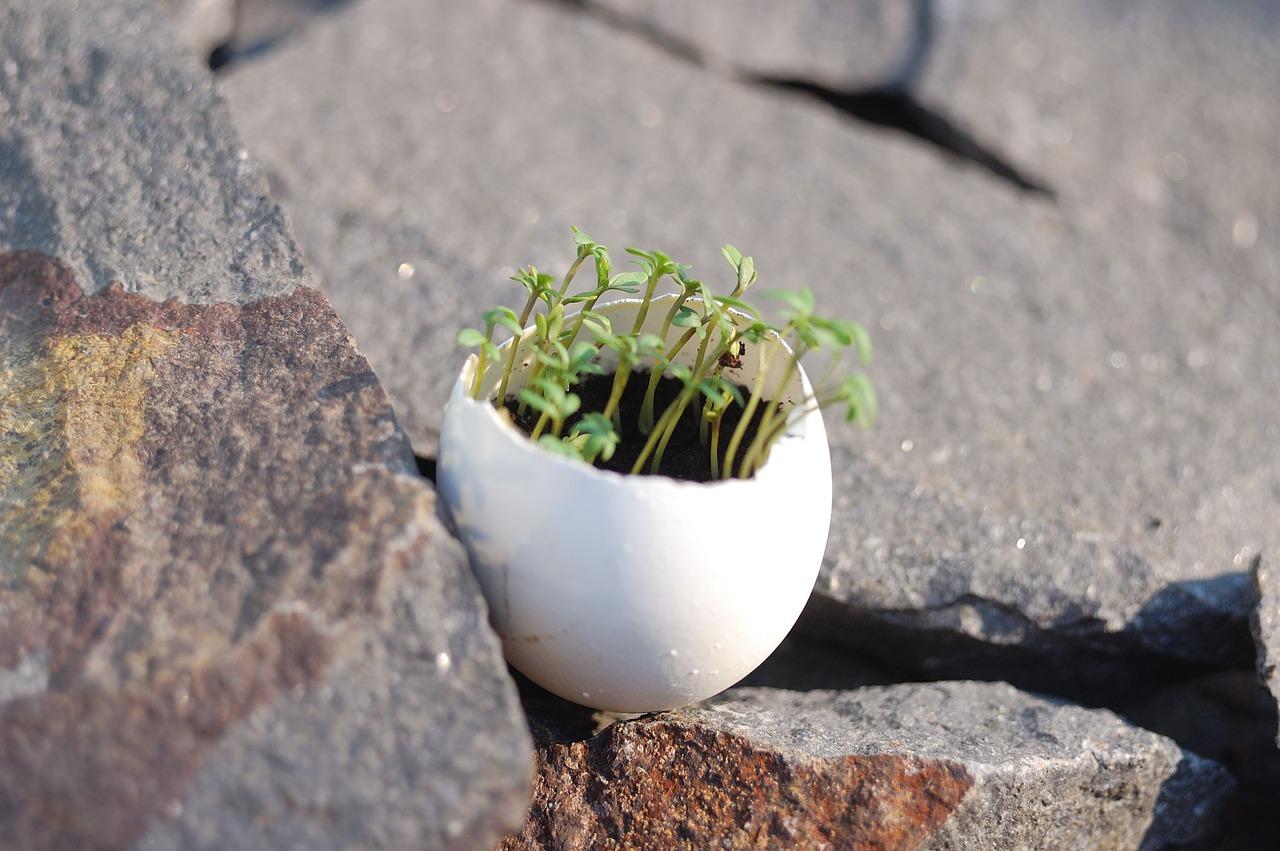
ave your eggshells, rinse them, crush them, and feed your garden's hungry soil. Rich in calcium carbonate, eggshells gently neutralize acidic soil, offering a savvy, natural alternative to limestone. Discover how leftover breakfast scraps transform backyard blooms and kitchen waste into garden gold.
Table of Contents6 sections
Why Eggshells Are My Go-To Limestone Alternative
Every spring, I'm elbow-deep in soil tests, tweaking the pH so my plants savor their perfect cocktail of nutrients. Acidic soils can be a headache: yellow leaves, sluggish growth, plants sulking instead of thriving; but I stumbled upon a humble hero: eggshells.
Most gardeners reach instinctively for limestone to sweeten acidic soils, but eggshells offer a sustainable, kitchen-friendly alternative. After all, my morning omelets produce piles of calcium-rich scraps; why not let the garden feast alongside me?
Why Eggshells, Anyway?
Eggshells contain approximately 95-97% calcium carbonate: the exact ingredient that makes limestone so effective at neutralizing acidity. Calcium carbonate gently raises the soil pH, bringing acidic soils closer to that sweet spot plants crave (around 6.0-7.0).
Plus, eggshells break down slowly, allowing for a gradual, steady pH adjustment rather than shocking your soil into submission.
How I Prepare Eggshells for the Garden
Eggshells straight from breakfast won’t cut it: you need to prep them first. I start by rinsing thoroughly, removing all residue to deter pests.
After drying, a quick bake at around 250°F (120°C) for 20 minutes sterilizes and crisps them up nicely. Trust me, baking eggshells smells better than you'd think: slightly toasty and oddly satisfying.
Next, I pulverize the shells using a coffee grinder or mortar and pestle. Fine powder breaks down quicker, but a coarser grind gives a slow release: choose according to your soil’s needs and your patience level.
Applying Eggshells Effectively
Knowing your soil’s pH is essential. Grab a simple soil test kit: no fancy lab coat required: and check those numbers before adding amendments.
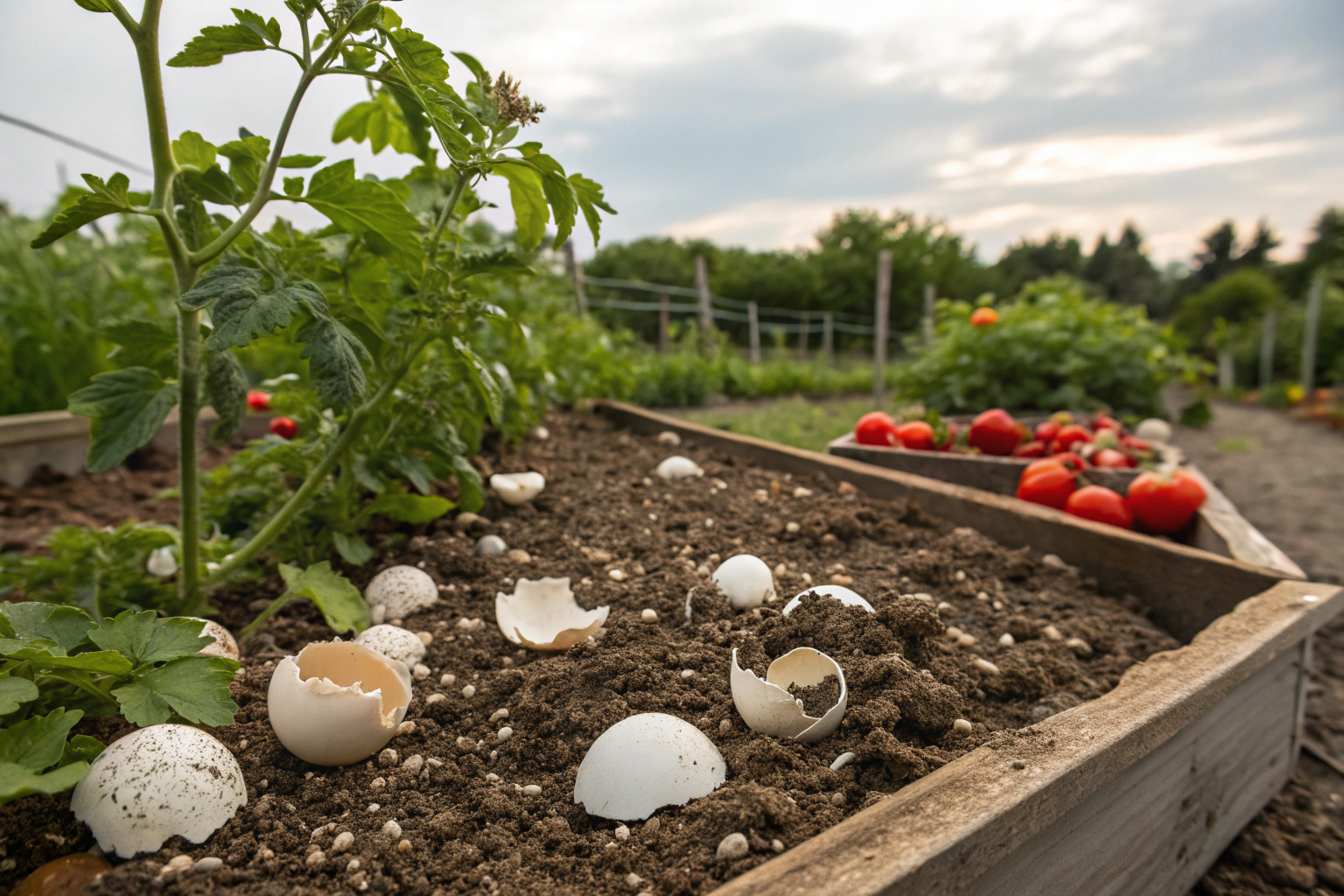
In my garden beds, I sprinkle roughly 2-4 cups (about 500-1000 ml) of crushed eggshell per 10 square feet (about 1 square meter), lightly mixing it into the top 4 inches (10 cm) of soil. Adjust quantities based on your initial soil test results and plant preferences.
A Few Friendly Caveats
Eggshells work wonders, but they're no cure-all. For extremely acidic soils (below pH 5.5), you might still need traditional limestone in the short term.
Also, eggshells offer calcium but no magnesium: a nutrient limestone does provide. Consider supplementing with Epsom salts occasionally to keep your garden balanced and plants happily green.
The Bonus Benefits I Love
Beyond pH balancing, crushed eggshells form a jagged barrier against slugs and snails: those slimy freeloaders hate crossing it. It's a barrier that's effective, natural, and delightfully vengeful.
Eggshells also add beneficial minerals and help aerate compacted soil, creating a more hospitable home for worms and microorganisms.
So next time you're cracking eggs for pancakes or frittatas, save those shells: they'll do your garden proud, and Mother Nature will nod approvingly. After all, gardening rewards resourcefulness, creativity, and a bit of experimentation.
Cheatsheet: Using Eggshells to Balance Acidic Soil
Calcium Carbonate Source
Eggshells are 95% calcium carbonate, similar to garden lime.
Soil pH Adjustment
Gradually raises the pH of acidic soil for healthier plants.
Tools Needed
Eggshells, baking sheet, oven, blender, gloves, pH testing kit, optional sieve.
Preparation Steps
Rinse shells, dry, bake at 200°F for killing bacteria, crush to fine powder.
Application Technique
Test soil pH. Spread 1/2 cup of shells per sq ft, work into soil, and water.
Nutrient Boost Benefits
Prevents blossom end rot in tomatoes and peppers; improves compost.
Composting Tip
Adds calcium and balances carbon-to-nitrogen ratio in compost.
Want a more guided way to practice eggshells?
Frequently Asked Questions About Using Eggshells in Your Garden
How do eggshells help balance soil acidity?
Crushed eggshells consist mostly of calcium carbonate, a natural compound that gradually neutralizes acidic soil. As they decompose, eggshells release calcium, elevating the pH level and creating a friendlier environment for most garden plants.
How should I prepare eggshells for garden use?
Rinse the used eggshells to remove any residue and let them dry thoroughly. Then, crush or pulverize the shells into fine particles. Smaller particles break down faster, allowing the calcium to disperse efficiently through the soil.
How much eggshell should I apply to adjust soil pH?
Apply around 2 cups (approximately 475 ml) of finely crushed eggshells per square yard (0.84 square meters) of soil. Monitor your soil pH periodically and adjust amounts accordingly, depending on plant requirements and soil conditions.
Can eggshells replace lime completely in my garden?
While eggshells effectively raise soil pH, their calcium carbonate content releases slowly. For quicker soil pH adjustments, gardeners may need to use agricultural lime initially, with eggshells supplementing ongoing calcium replenishment over the growing seasons.
Are there any plants particularly benefiting from eggshell amendments?
Yes, plants like tomatoes, peppers, broccoli, and cabbage find particular benefit from added calcium provided by crushed eggshells. Regular application helps prevent issues such as blossom end rot, a common condition caused by calcium deficiency.
How long does it take for eggshells to impact soil acidity?
Eggshells typically break down over several months. Expect noticeable changes in soil pH within 6-12 months after consistent application. Grinding shells into finer particles can accelerate this process.
Can eggshells attract pests or cause any problems?
If thoroughly cleaned and dried, eggshells rarely attract pests. On the contrary, their sharp edges can deter slugs and snails. Ensure shells are rinsed properly to minimize any lingering odors or organic material attracting unwanted visitors.
Conclusion
Eggshells are humble, but they pack a punch for gardeners wrestling with acidic soil. Crushed and sprinkled, they offer a slow, steady release of calcium carbonate: the backbone of limestone: helping to nudge pH levels upward. Over time, this means sturdier tomatoes, happier hydrangeas, and fewer blossom-end rot headaches. Eggshells break down best when finely ground and mixed into the soil ahead of planting. Skip the landfill, save your shells, and let your garden reap the rewards of this kitchen castoff. For more tips that cut to the chase, check out taim.io/blog.


