Overcoming Smart Phone Addiction With Gardening
Phone addiction
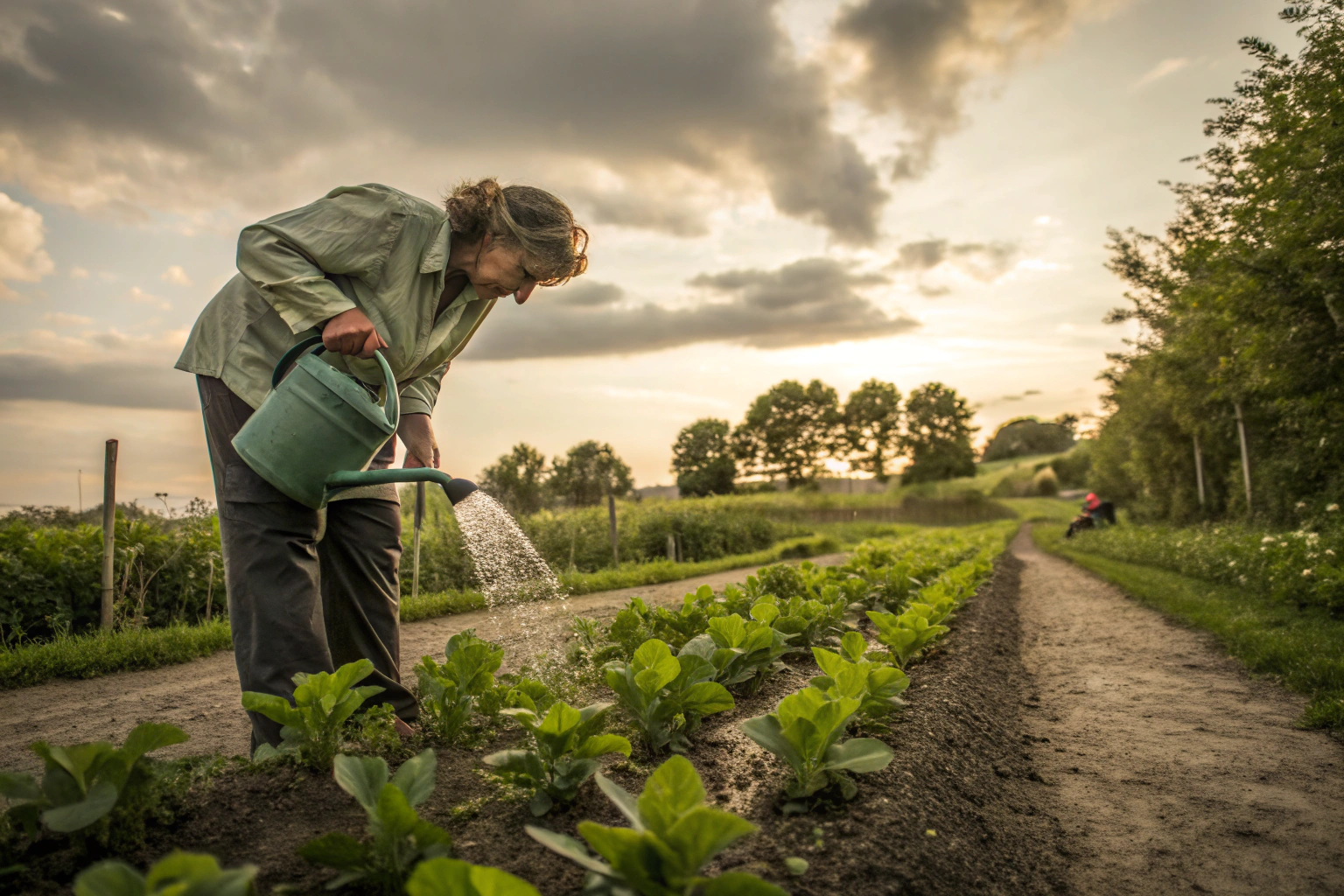
o break free from phone addiction, swap scrolling screens for turning soil: gardening reduces cortisol levels, boosts serotonin, and refocuses scattered attention spans. Studies show that plant-tending slashes smartphone use, enhances mood, and restores cognitive clarity disrupted by phone addiction. Replace digital habits with earthy rituals, and discover why gardening offers the escape hatch your weary brain craves.
Table of Contents8 sections
- Overcoming Phone Addiction With Gardening· 6 min
- Pocket notebook over notes apps, with waterproof paper if you irrigate
- Analog rain gauge over phone weather, mount at plant height for accuracy
- Dial timer over timer apps, loud bell you can hear over a chipper
- Grease pencil on greenhouse plastic over digital whiteboards
- Soil thermometer with a 5 inch or 13 cm probe over app-based sensors
- Clip-on tally counter for seed counts over counting on-screen
- Printed sowing calendar taped to the shed door over notifications
Overcoming Phone Addiction With Gardening
I used to pocket my phone before stepping into the beds and still ping through a pruning session like a distracted metronome. Then I laid it on the potting bench, set a kitchen timer, and watched my attention germinate like arugula in spring.
Phone addiction is attention drift with a glossy screen. Soil fixes drift, if you give it half a chance.
Hands in soil demand proprioception and smell and micro-adjustments, which leaves fewer cognitive scraps for doomscrolling. That tug of roots under the fingernails beats any notification buzz.
“People touch their phones 2,617 times per day on average.” dscout longitudinal study, 2016.
Gardening flips the script because repetitive, purposeful tasks induce quiet focus. A meta-analysis found gardening reduces depression and anxiety and lifts life satisfaction across age groups (Soga, Gaston, Yamaura, Preventive Medicine Reports, 2017).
Even the mere presence of a phone reduces available brainpower, powered off or not, if it sits within reach. Ward et al., Journal of the Association for Consumer Research, 2017.
I call it gate discipline. Gloves on, phone off.
Work a single bed for 25 minutes, stand, stretch, sip water for 5, then switch tools and continue. No peeking until the bed is finished and the timer rings.
Turn the heap and stab an analog compost thermometer to track 130 to 160 F, which is 54 to 71 C. Jot temps on the bin lid with a grease pencil and watch the steam roll like a kitchen service line.
Forget the app forecasts and watch the soil’s sheen and crumb, which growers call tilth. Aim for 1 inch of water per week in summer, about 25 mm, and verify with a low-tech rain gauge.
Count seeds aloud and feel depth with the first knuckle as a guide, roughly 0.5 inch or 1.2 cm for beans. Label with wooden stakes and a paint marker, then press the row firm to seal capillarity.
Trace the cambium ridge with your eyes and cut clean to the branch collar. Two-handed secateurs keep both palms busy and your mind inside the canopy.
These are not decoration to me. They are sensory tools with roots.
I track phenology with a wall calendar, not a screen. First blossom, first bumblebee, first hard frost at 28 F or minus 2 C get a mark and a quick note.
Yield logs live in a spiral notebook, no badges, no graphs, just pounds and kilos side by side. The act of writing cements memory better than tapping.
Five minutes of “green exercise” improves mood and self-esteem, with bigger gains near water and in mixed habitats. Barton and Pretty, Environmental Science and Technology, 2010.
Horticultural activity lowers cortisol and lifts vigor compared to indoor tasks. Park et al., Journal of Physiological Anthropology, 2010.
I buy once and sharpen often. Fewer choices means less fiddling and more plants.
Attention grows where friction falls. I stack the deck toward plants, not pings.
Single-channel days beat scattershot days, so I prune all stone fruit in one sweep. Monotony turns into flow once the cuts and angles take over your hands.
I avoid “just checking” by putting the phone physically behind a door. Out of sight means my prefrontal cortex stops bracing for alerts.
Will a smartwatch sabotage this. Yes, unless you flip it to airplane and use it as a plain watch.
Need plant ID help. Sketch the leaf and write the site conditions and check a field guide later.
Want photos without falling into feeds. Shoot at the end with a dedicated camera, or batch-transfer after dark.
Worried about missing family calls. Give them a landline number for the shed or a single override tone.
By day four the phantom buzz faded. By day ten I could hear bees change pitch right before a storm.
Track your own metrics for a month with pencil: screen minutes per day, resting heart rate, hours outside, grams or ounces harvested. Compare weeks with three or more garden sessions to weeks without.
The line usually bends the way plants lean toward light. That curve is hard to argue with.
- Leave the phone in a metal toolbox or Faraday sleeve at the gate, which kills signals and temptation.
- Wear a cheap analog watch and use a mechanical timer clipped to your belt.
- Keep a weatherproof notebook and pencil in a zip bag for notes, sketches, and sowing dates.
- Batch calls after sundown while you coil hoses, never mid-task.
- Use one ringtone only for true emergencies and keep everything else silent.
- Photograph harvests at the end, never during the work set.
- Lamb’s ear and woolly thyme for tactile grounding that slows breath on contact.
- Scented geranium, rosemary, and lemon balm to trigger deep nasal inhalations that cut heart rate.
- Ornamental grasses like Calamagrostis and Pennisetum for wind music and moving light.
- Snapdragons and peas for fine-motor therapy while deadheading and stringing vines.
- Mechanical timers: metal case, 60 to 120 minutes, clear bell, 10 to 30 USD or 9 to 28 EUR.
- Faraday sleeves or locking pouches: durable fabric with RF shielding, look for double-layer foil, 15 to 60 USD or 14 to 57 EUR.
- Field notebooks: weatherproof paper, stitched binding, 3 by 5 inches or 7.6 by 12.7 cm, 6 to 18 USD or 6 to 17 EUR.
- Analog rain gauges: easy-read inches and millimeters, frost-proof acrylic, 12 to 35 USD or 11 to 33 EUR.
- Compost and soil thermometers: stainless stem, 5 to 20 inches or 13 to 50 cm, glass lens, 20 to 50 USD or 19 to 47 EUR.
- Secateurs: bypass style, replaceable spring, 0.75 inch or 2 cm cut capacity, 35 to 80 USD or 33 to 75 EUR.
- Work belt with tool loops: breathable, fits a timer and tally counter, 20 to 45 USD or 19 to 42 EUR.
- Build a potting bench at hip height with everything within reach, which shortens decision time.
- Stage tools by task in buckets: pruning bucket, weeding bucket, trellis bucket.
- Lay gravel or wood chips on paths so you hear your own pace.
- Set a small stool near each bed to invite kneeling and looking close at leaf undersides.
- Hang a wind chime near the gate as a reset tone that beats any ringtone.
- Seven-day gate pledge: no phone past the latch, period.
- One-bed rule: no screen until a full bed is finished, including cleanup.
- Analog Sunday: paper calendar only, sharpen tools, plan the week by hand.
- Twilight rounds: 20 minutes of bare-handed deadheading at dusk, phone in the house.
- 1
Pocket notebook over notes apps, with waterproof paper if you irrigate
- 2
Analog rain gauge over phone weather, mount at plant height for accuracy
- 3
Dial timer over timer apps, loud bell you can hear over a chipper
- 4
Grease pencil on greenhouse plastic over digital whiteboards
- 5
Soil thermometer with a 5 inch or 13 cm probe over app-based sensors
- 6
Clip-on tally counter for seed counts over counting on-screen
- 7
Printed sowing calendar taped to the shed door over notifications
Cheatsheet: Grow Focus, Shrink Screen Time
Set a Clear Goal
Dedicate 30+ minutes daily outdoors to reduce screen time; schedule garden tasks after typical screen use.
Limit Digital Triggers
Silence or store your phone before gardening; activate airplane mode to avoid interruptions.
Grow Attention with Plants
Use sensory plants like herbs and scented flowers to engage senses and anchor focus in the present.
Boost Health and Nutrition
Gardening burns 200-400 kcal/hr, provides fresh produce, balances circadian rhythms, and boosts serotonin.
Essential Tools and Supplies
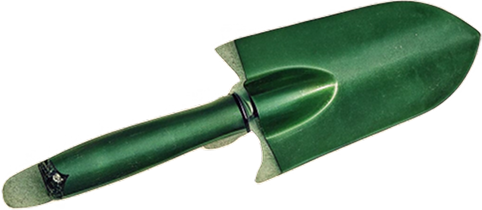
Have gloves, hand trowel, pruners, watering can/hose, seeds, potting soil, and planters ready for gardening.
Establish Digital-Free Rituals
Create tech-free routines: watering, weeding, and harvesting; share garden moments offline.

Want a more guided way to practice phone addiction?
FAQ: Gardening as an Antidote to Phone Addiction
How can gardening redirect focus away from phone addiction?
Immersing your hands into fertile soil and nurturing plants shifts attention from virtual screens to tactile experiences. Gardening demands presence and cultivates mindfulness, associating reward not with digital validation, but with the tangible growth of living things.
What types of gardening tasks best distract from compulsive phone use?
Choose tasks that fully engage mind and body: pruning branches, transplanting seedlings, or harvesting fruits and vegetables. These activities require careful attention and help to build a sense of accomplishment that eclipses phone addiction.
Can gardening genuinely diminish the impulse to constantly check smartphones?
Absolutely. The rhythm and rituals of tending to plants anchor your mind into the present. Over time, the garden's natural cycles of growth replace the artificial rush of notifications, weakening the hold smartphones have on your senses.
What are some easy starter plants for someone trying to spend less time on their phone?
Begin with resilient, low-maintenance plants such as herbs: mint, basil, rosemary, or easy-to-grow vegetables like cherry tomatoes or radishes. Their steady progress offers satisfying feedback, encouraging habitual tending instead of habitual scrolling.
Does gardening provide mental health benefits beyond addressing phone dependence?
Indeed, gardening sparks relaxation, creativity, and contentment. The therapeutic rituals of watering, pruning, and harvesting anchor your mind in tranquility, diminishing anxiety and offering a meaningful alternative to digital dependency.
Conclusion
Step away from phone addiction and let your hands get dirty in the soil. Gardening doesn’t ping, buzz, or demand a swipe; just your patience and your presence. Each seed you plant is a small rebellion against the relentless pull of screens. The garden rewards you with real growth, real flavor, and the kind of peace you can't scroll for. Try leaving the phone inside, or slip it in an old gardening apron; you’ll notice how quickly your mind settles and your senses wake up. In the end, it’s the simplest acts(digging, weeding, watering) that remind us how to be fully human again. Let the garden be your escape from distraction, and you'll find what really matters is right at your fingertips.


