Gardening Apron Essentials for Comfort and Functionality
Gardening apron
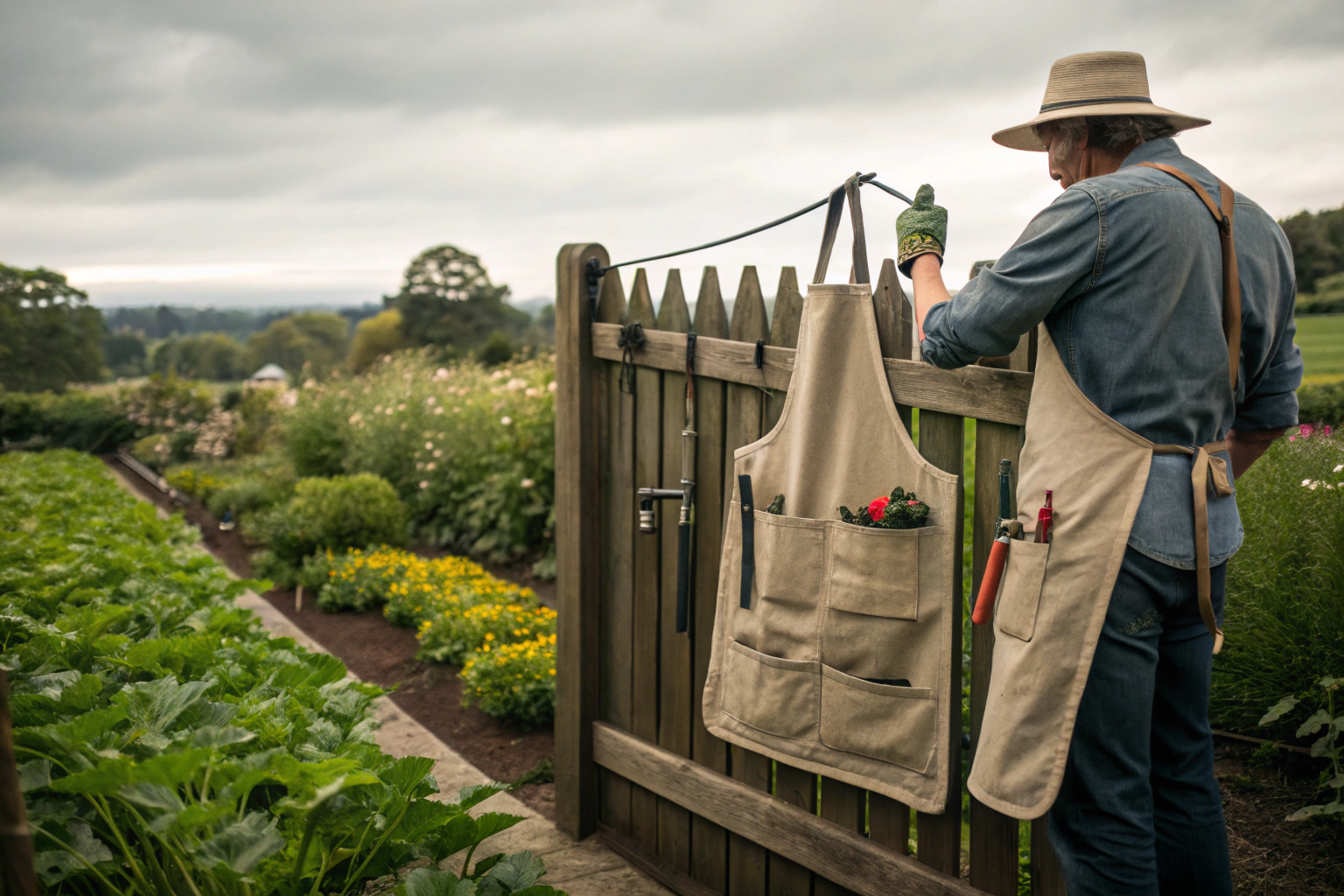
lip on a sturdy gardening apron to keep tools close, clothes clean, and movements fluid as you prune, weed, or plant. A well-designed gardening apron provides ample pockets, durable fabric, and easy adjustability, making long garden sessions comfortable and efficient. Consider your gardening style and specific tasks to find the ideal gardening apron: your back, knees, and favorite pair of jeans will thank you.
Table of Contents1 sections
- Section 1· 7 min
Section 1
Reinforcement and hardware quality
Bar tacks at pocket corners, double-needle seams, leather-backed rivets at stress points, and good hardware like YKK coil zips or metal snaps beat plastic in heat and grit, helping gear that takes a beating and keeps its mouth shut.
Drainage, linings, and hygiene
Drain grommets, snap-open pocket bottoms, light pocket linings, and mesh-backed pockets prevent dirt from pooling and help you find tools. A small spray bottle of 70 percent alcohol in the bib supports tool hygiene and limits pathogen spread between beds.
Pocket layout and tool control
Tool control and good pockets cut sloppy reaches and dropped blades. Big pockets swallow tools, while purpose pockets, secateur holsters, Hori-Hori sheaths, bib pockets, dump pockets, and dedicated carry patterns keep the dance tight and the work in your hands.
Straps, belt, and sizing
Neck-strap aprons load the cervical spine, while cross-back straps spread weight to shoulders and upper back. A wide waist belt with side adjustment and sizing from collarbone to mid-thigh keep the pouch at your center of gravity and bib centered on broader chests and narrower shoulders alike.
Fabric weight, season, workload
"Pick fabric for your climate, tasks, and how hard you are on gear." Examples include waxed canvas, untreated canvas or denim, full-grain leather panels, and technical synthetics with fabric weight matched to season and workload.
I have lost more pruners to compost piles than I care to admit, until a well-built gardening apron stopped the disappearing act. The right apron saves steps, keeps your spine calmer, and makes a long bed run feel like a short stroll.
Lawn and garden tools send large numbers of people to emergency departments each year, according to U.S. Consumer Product Safety Commission summaries. Tool control and good pockets will not fix everything, but they cut sloppy reaches and dropped blades.
I have cooked through cheap poly twill in a season, while heavy canvas rides for years. Pick fabric for your climate, tasks, and how hard you are on gear.
A neck-strap apron loads your cervical spine, which gets ugly after an hour with secateurs and a phone in the bib. Cross-back straps spread weight to your shoulders and upper back, which feels civilized at 5 lb or 2.3 kg of kit.
Look for a wide waist belt with side adjustment so the pouch sits at your center of gravity. I want the hem to hit mid-thigh for kneeling without bunching.
Big pockets swallow tools, soil and time. Purpose pockets keep the dance tight.
I check bar tacks at pocket corners, double-needle seams, and leather-backed rivets at stress points. YKK coil zips or metal snaps beat plastic in heat and grit.
Dark linings hide stains but slow your search; a light pocket lining helps you find that rogue dibber. If you carry snips tip-down, add a removable plastic sleeve inside the pocket.
In summer, I switch to lighter synthetics and mesh-backed pockets, and I size the apron so it does not stick to damp shirts. In winter, I layer a waxed-canvas apron over a softshell and drop a hand warmer into the bib.
Wet season needs quick-dry fabrics and drain holes. Hot days over 90 F or 32 C reward a cross-back with ventilated webbing.
Waxed canvas likes a cold brush-off, spot clean, then re-wax once a season with a beeswax blend. Heat with a hair dryer so the wax sets evenly.
Unwaxed canvas and denim handle a cold 86 F or 30 C wash, gentle soap, hang dry. Leather bits want a pH-balanced conditioner twice a year.
I keep a small spray bottle of 70 percent alcohol in the bib and wipe pruners between shrubs during disease season. The Royal Horticultural Society and university extensions echo the same habit to limit pathogen spread between beds.
Entry aprons start around 20 to 35 USD or 19 to 33 EUR and handle light duty. Mid-tier lives near 45 to 90 USD or 42 to 84 EUR with better stitching and smart pockets, while heirloom waxed builds run 100 to 180 USD or 93 to 168 EUR.
I spend for cross-back comfort and reinforced holsters, then save by skipping gimmicks. Good hardware and fabric weight outlast logos.
Adjustable cross-back, long strap tails, and multiple grommet positions keep the bib centered on broader chests and narrower shoulders alike. I like split-leg farrier-style aprons for heavy kneeling in narrow rows.
I pack down the same way every time to build muscle memory. Left hip holds pruners, right hip holds Hori-Hori, bib carries phone, tags, pencil, and a tiny flashlight.
A padded tool belt beats an apron for chainsaw or heavy saw days. A chest rig stays clear of hip pockets if you are crouching in tight hoop houses.
Bucket organizers and small caddies pair nicely with a light apron for harvest runs. Kneepads or a kneeler bench save patellas far better than extra fabric.
I want gear that takes a beating and keeps its mouth shut. A good gardening apron fades like raw denim and fits your day the way a knife fits your palm.
Every extra step to fetch a tool taxes focus. The apron pays you back by keeping the work in your hands, not in your pockets of regret.
Can waxed canvas stain clothes on hot days? A fresh wax can transfer, so I heat-set it well and wear a dark base layer the first week.
Is water resistance worth it? If you work early or in rain, yes, since it sheds dew and keeps tags and phones dry.
Will an apron protect against thorns? Heavy canvas blunts rose pricks on the torso and thighs, but add forearm guards for hedges.
How do I stop dirt from pooling in pockets? Use drain grommets and snap-open pocket bottoms, then shake out before you head inside.
How do I size an apron online? Measure from collarbone to mid-thigh, check strap length and bib width, and favor cross-back for broader frames.
Royal Horticultural Society: tool hygiene and pruning best practice. Cornell Cooperative Extension and Penn State Extension: safe handling, sanitation, and disease spread basics.
NIOSH and OSHA ergonomics pages: reach zones, load management, and posture. U.S. Consumer Product Safety Commission summaries: lawn and garden injury patterns that reward better tool control.
- Waxed canvas: Water-shedding, tough, winds up breathable after break-in. Go 12 to 18 oz weight; it carries pruners and a Hori-Hori without sag.
- Untreated canvas or denim: Softer hand, easier wash cycle, faster to dry. Add a spray-on DWR if you work in wet borders.
- Full-grain leather panels: Fantastic abrasion resistance at wear zones. Use as reinforcement pockets rather than full body to keep heat down in July.
- Technical synthetics: Light, quick dry, often ripstop. Good for summer deadheading and high-humidity mornings.
- Secateur holster with a stiff mouth and drain grommet, right where your hand falls.
- Hori-Hori sheath or soil knife sleeve with a double rivet at the tip.
- Bib pocket for phone and plant tags with a flap or zip, plus a pencil slot.
- Dump pockets for twine, ties, and seed packets with pleats so they expand, and a snap to shake out grit.
- Mag patch for bits and blade caps, sewn behind fabric so it wipes clean.
- Carabiner or D-ring for gloves, keys, or a spray bottle.
- Heavy pruning and orchard days: Waxed 16 oz canvas, cross-back, leather holsters, thigh-length, double dump pockets.
- Vegetable beds and propagation: Midweight canvas or denim, lots of small pockets for clips, labels, and a knife, snap-out pouch for seeds.
- Landscape maintenance: Technical fabric, stain resistant, high-visibility trim, zippered bib for phone and work orders.
- Greenhouse work: Lightweight synthetic, breathable, minimal metal that heats up in sun, shallow pockets to avoid snagging trays.
- Weekend tidy-ups: Budget cotton canvas with a belt, a single holster, and a trash pouch for spent blooms.
- Twine, soft tie, and a folding saw ride in the left dump pocket.
- Alcohol spray, sharpening puck, and bandages live in the right dump pocket.
- Gloves clip to a D-ring so they dry out between beds.
- Stitch a strip of bright bias tape inside dark pockets to create contrast.
- Add a rare-earth magnet behind fabric for quick blade caps and screws.
- Press in brass grommets at pocket bottoms so soil drains, not cakes.
- Run reflective tape along the hem for dawn and dusk work near drives.
- 1
Cross-back straps with metal sliders and wide webbing
- 2
Dedicated holsters with stiff mouths and reinforcement
- 3
Drainage, light pocket linings, and secure bib storage
- 4
Fabric weight matched to season and workload
- 5
Bar tacks, double stitching, and quality snaps or zips
Cheatsheet: Optimize Your Garden Apron for Success
Durable Fabric Selection
Choose waxed canvas or denim for moisture resistance and longevity.
Ergonomic Strap Design
Use cross-back straps to distribute weight evenly and reduce neck strain.
Effective Pocket Layout
Have dedicated holsters for pruners and soil knives to avoid fumbling.
Seasonal Material Adjustments
Opt for lighter synthetics in summer and waxed fabrics in winter.
Care and Maintenance
Re-wax canvas seasonally, spot-clean fabrics, and condition leather accents.
Tool Organization Efficiency
Load heavier tools on the hips for balance and lighter tools on the bib.
Quick Setup Routine
Group tools by use, adjust straps, and store for easy access.
Health and Comfort Addition
Add UV protection, hydration tools, and sunblock for wellness.
Want a more guided way to practice gardening apron?
Frequently Asked Questions about Gardener's Aprons
What materials best withstand soil and moisture?
Waxed canvas, heavy-duty cotton, and denim effectively repel moisture and soil stains while still allowing breathability. These materials provide durability and comfort during extended gardening sessions.
How do I select the right size apron for gardening tasks?
Choose an apron that comfortably covers your torso and reaches your knees, typically around 28-34 inches (71-86 cm) in length. Adjustable straps ensure a comfortable and snug fit for various body types.
Can gardening aprons withstand frequent washing?
Yes. Opt for aprons made from durable fabrics like heavy cotton and canvas. Wash them gently in cold water (below 86°F / 30°C) and air dry to maintain fabric integrity and prevent shrinking.
What pocket arrangement is optimal for gardening activities?
A practical apron features a combination of differently-sized pockets: large compartments for gloves and small pruners, medium-sized pockets for seed packets, and narrow slots for plant labels and pencils. This arrangement streamlines gardening tasks and keeps essential tools accessible.
Are waxed aprons suitable for hotter climates?
Waxed aprons offer impressive moisture resistance but may trap heat in warmer temperatures (above 80°F / 27°C). For hot climates, breathable cotton or denim aprons ensure comfort and maintain airflow while gardening.
How should I store my gardener's apron to prolong its lifespan?
After shaking off excess soil and debris, hang your apron in a dry, ventilated area. Avoid storing it folded when damp to prevent mildew and fabric deterioration. Regularly airing your apron keeps the material fresh and prolongs its usability.
Conclusion
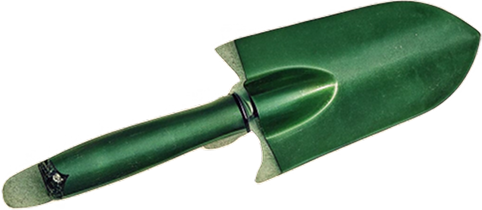
Gardening rewards those who prepare, and a well-chosen gardening apron is your quiet ally. It keeps tools close, saves your knees, and shrugs off dirt like an old friend. Look for deep pockets, durable fabrics, and adjustable straps: these details matter when you’re out among the beans and roses. Pair your apron with the right hand trowel or pruning shears and you’ll spend less time hunting for gear and more time in the soil. The right gardening apron isn’t a luxury. It’s a tool that lets you focus on what matters: growing, tending, and taking in the quiet satisfaction of a job well done.


