Chinese Gardens: The Art of Authentic Landscape Design
Chinese Gardens
ant to interpret nature's poetry in your own backyard? Building authentic Chinese Gardens means learning ancient techniques like borrowing scenery, balancing yin-yang, and layering spaces to cultivate harmony. Master subtle symbolism, craft intentional flow, and unlock the tranquil elegance known traditionally as yuanlin: your ticket to creating spaces rich in beauty and meaning awaits.
Table of Contents7 sections
- The Philosophy Behind Chinese Gardens· 1 min
- Principles to Master for Authenticity· 1 min
- Essential Elements to Incorporate· 1 min
- Creating Personalized Spaces within Your Garden· 1 min
- Common Pitfalls: Don’t Let These Trip You Up· 1 min
- My Favorite Touches: Adding Authentic Flair· 1 min
- Cultivating Your Own Chinese Garden Experience· 1 min
The Philosophy Behind Chinese Gardens
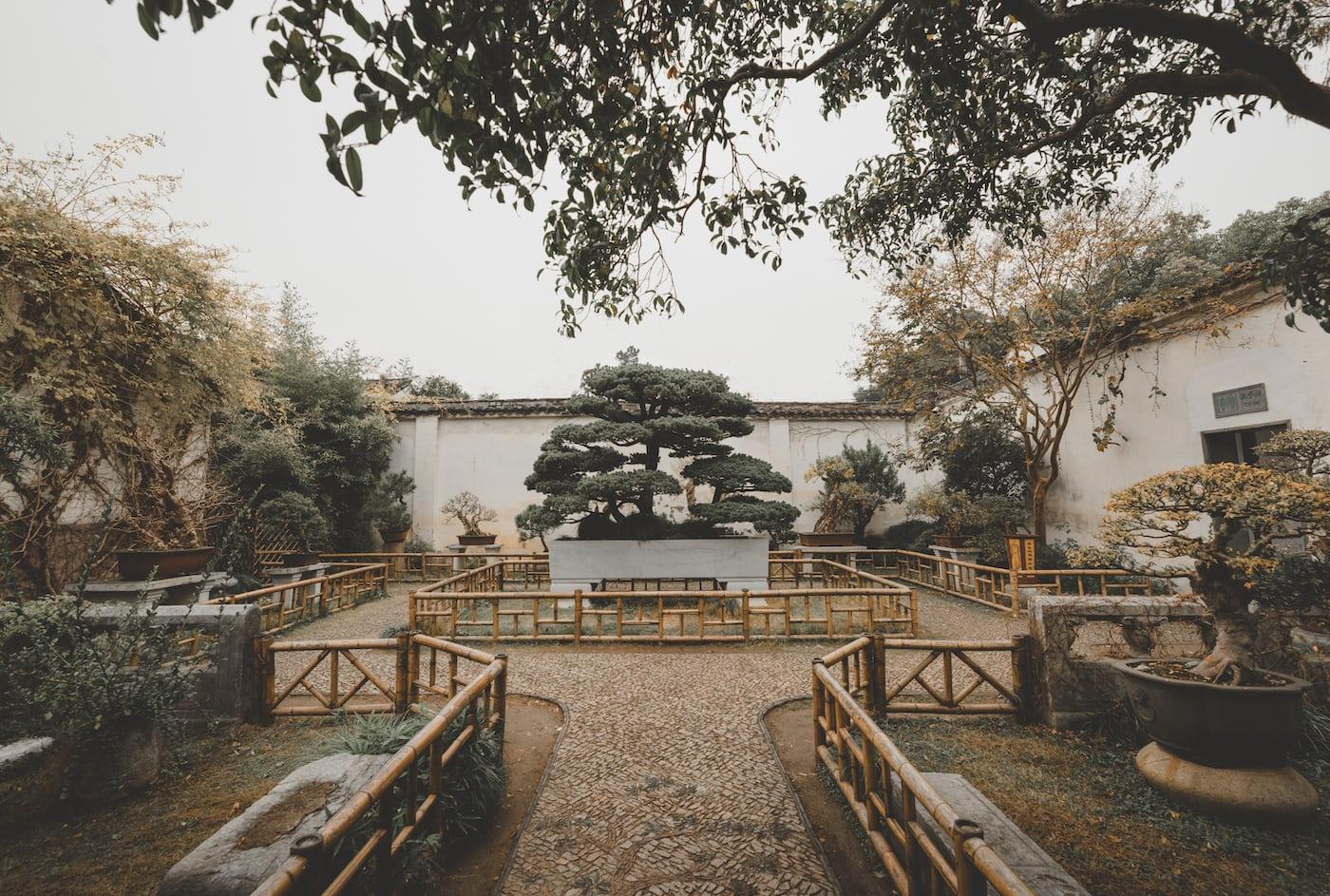
Years ago, wandering through the peaceful Humble Administrator's Garden in Suzhou, I recognized something profoundly different: harmony. Chinese Gardens captivate by skillfully arranging natural elements to reflect ancient philosophies, primarily Taoism and Confucianism.
Every stone, shrub, and path has purpose. They encourage reflection, serenity, and a deep connection to nature.
Principles to Master for Authenticity
In Chinese Gardens, Yin and Yang symbolizes the harmonious interaction of opposite energies. Balance shady retreats (Yin) with open and sunny spaces (Yang) for a garden that resonates tranquility.
Years back, I mistakenly overloaded my garden with heavy greenery, forgetting the openness essential to balance. The result? A stagnant atmosphere. Until I opened spaces and invited sunlight back into my garden's heart.
Every element in a Chinese Garden carries meaning. Rocks represent mountains, water symbolizes vitality and prosperity, and certain plants denote qualities like longevity or resilience.
For instance, planting bamboo near your study corner symbolizes integrity and resilience: qualities treasured by traditional scholars.
One of my favorite methods, Jie Jing, uses existing distant elements: like mountains or trees: to create depth and expand the visual impression beyond your garden's borders. It's a cinematic illusion crafted organically.
Essential Elements to Incorporate
Water is the lifeline of Chinese Gardens. From placid ponds reflecting the sky's changing moods, to murmuring streams expressing movement and life, carefully incorporate water to create texture and lively energy.
Rocks are to Chinese Gardens what seasoning is to cooking. Moderation and thoughtful arrangement make all the difference.
Forget linearity. Paths in traditional Chinese Gardens meander intentionally, affording hidden views and shifts in perspective that encourage visitors to slow down and appreciate surroundings fully.
Carefully pick plants that flourish in your local climate, yet align with traditional symbolism. Plum blossoms, for instance, thrive in cooler climates and symbolize perseverance through adversity: a personal favorite of mine during harsh winters.
Creating Personalized Spaces within Your Garden
An authentic Chinese Garden offers secluded spaces for contemplation, poetry, or sipping tea. Years ago, I built a small wooden pavilion ("ting") framed by Chinese wisteria; it became a cherished retreat for reading and quiet reflection.
Common Pitfalls: Don’t Let These Trip You Up
Overcrowding: Allow breathing room. You aim for simplicity, not chaos. Ignoring Seasons: Plan for seasonal transformations, ensuring year-round visual appeal. Too Literal: Avoid imitation; instead, use the spirit and philosophy as guidance, adapting elements creatively to your local conditions.
My Favorite Touches: Adding Authentic Flair
With some creativity, even small accessories can transform your garden's character:
Years ago, carving a Tang dynasty verse onto a stone in my garden invited thoughtful reflection and conversation: a subtle yet profound addition.
Cultivating Your Own Chinese Garden Experience
A thoughtfully designed garden goes beyond aesthetics: it shapes moments, encourages contemplation, and fosters harmony. Design yours according to these timeless principles, adapt them to your local climate, and above all, allow your personality and perspective to shine.
Cheatsheet: Create Authentic Chinese Garden Spaces
Core Design Principles
Balance: Yin-Yang, shifting solids and voids; Borrowed Scenery: Integrate external views; Asymmetry: Avoid strict lines or symmetry; Flow: Create meandering paths, layered vistas; Symbolism: Use rocks, water, plants to convey meaning.
Elements to Combine
Water: Ponds, streams:reflects, soothes, cools; Rocks: Taihu, Lingbi:represent mountains, stability; Pavilions: Rest, contemplation, poetry; Bridges: Zig-zag, stone:invite mindfulness; Walls: White, latticed:frame views; Plants: Bamboo, pine, lotus, peony, plum, magnolia.
Plant Selection
Bamboo: Privacy, resilience, symbolism; Pine: Longevity, screen wind, winter green; Lotus: Summer bloom, water purification; Peony: Rich color, spring emblem; Plum: Fragrance, early bloom, hope; Moss: Soft underfoot, low-care.
Tools and Materials
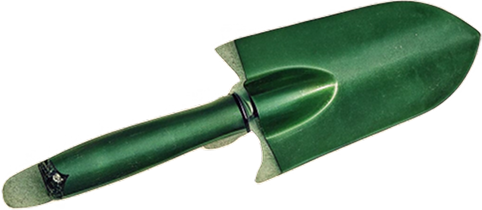
Shovel, spade, wheelbarrow; Pruning shears, loppers; Stone chisel, mallet; Water feature kit (pump, liner); Rake, hoe; Taihu or Lingbi rocks; Gravel, sand; Local or climate-adapted plants; Bamboo or timber for fencing; Whitewash or lime; Tiles or slate.
Health & Self-Sufficiency
Stress relief: 20 min/day in garden may reduce cortisol 30%; Homegrown food: Edible lotus, ginger, herbs; Wildlife habitat: Fish, beneficial insects, songbirds; Improved air quality: Dense leaf canopies filter PM2.5.
Pro Tips
Use borrowed scenery from neighbors’ trees or horizons; Choose native plants for ease and resilience; Frame each garden "scene" through doorways and windows; Install soft lighting for night tranquility.
Want a more guided way to practice chinese gardens?
Frequently Asked Questions About Chinese Gardens
What elements are essential for creating authentic Chinese Gardens?
Authentic Chinese Gardens combine four key elements: water features like ponds or streams symbolizing vitality; carefully placed rocks embodying strength and permanence; traditional architecture such as pagodas or pavilions; and expressive plants like bamboo, plum trees, and lotus flowers to represent virtues and harmony.
Can Chinese Gardens be adapted to smaller spaces?
Yes, adapting Chinese Garden principles to limited spaces involves selective placement of meaningful elements. Small courtyards or terraces can include miniature rock formations, compact water basins, dwarf trees, and carefully arranged ornaments to convey balance and serenity within minimal space.
What plants are best suited to traditional Chinese Gardens?
Typical plants for Chinese Gardens include bamboo symbolizing resilience; flowering plum trees representing renewal; chrysanthemums and peonies admired for their beauty; lotus plants placed in ponds signifying purity; and pine trees chosen for their enduring strength and year-round foliage.
How can water features enhance the harmony of Chinese Gardens?
Water features like ponds, streams, or fountains introduce gentle movement and reflective surfaces into Chinese Gardens, expressing tranquility and balance. These water bodies also provide habitats for fish and aquatic plants, contributing to both aesthetic charm and ecological harmony.
Are there specific color combinations that define Chinese Gardens?
Classic Chinese Gardens emphasize natural, muted color schemes contrasted occasionally with vibrant hues. Greens, browns, and greys dominate, punctuated by reds, yellows, or whites from flowers or architectural details, guiding visual rhythm and symbolizing prosperity, harmony, or joy.
What maintenance practices help maintain the beauty of Chinese Gardens year-round?
Regular pruning and shaping of plants, especially ornamental trees and shrubs, preserve balanced proportions in Chinese Gardens. Periodic pond cleaning, attentive weed removal, and balanced fertilization maintain the garden's vitality. Seasonal planting choices ensure continuous visual interest and health.
Is symbolism important for plant and rock placement in Chinese Gardens?
Symbolism guides the careful placement of plants and stones within Chinese Gardens. Strategic positions convey philosophical meanings, such as longevity or harmony. Rocks mimic mountains or islands, while plants might reflect virtues like integrity, purity, or perseverance.
Conclusion
Chinese Gardens teach us that restraint and intention matter. Every stone, water feature, and twisted pine has its place:nothing is random. These spaces invite us to slow down, notice the interplay of shadow and light, and appreciate the beauty of imperfection. Borrowed views and winding paths remind us: a garden isn’t built for speed, but for reflection. If you crave balance, or want your plot to whisper instead of shout, take a page from these timeless designs. Whether you’re pruning, choosing a tool, or plotting your next addition, let Chinese Gardens guide your hand:less flash, more soul.


