Spring Gardening Tips for Healthy Plants and Lovely Landscapes
Spring Gardening
umpstart your spring gardening by cleaning and preparing beds early, planting cool-season crops like lettuce and radishes, and pruning shrubs and trees before they leaf out. Check your soil temp; consistent readings above 45°F mean it's spring gardening prime time. Live by these simple actions, and your garden rewards you generously. Read on to explore how to maximize every ounce of your spring effort.
Spring Gardening Gameplan
- Spring gardening focusstart with beds
- Clear winter debris
- Compost and mulch soil
- Prune shrubs and trees
- Control weeds early
- Time planting carefully
- Check tools and equipment
- Water and invite pollinators
Article mapOpen the visual summary
Spring Gardening Gameplan
- Spring gardening focusstart with beds
- Clear winter debris
- Compost and mulch soil
- Prune shrubs and trees
- Control weeds early
- Time planting carefully
- Check tools and equipment
- Water and invite pollinators
Table of Contents8 sections
- Clear Away Winter's Remains· 1 min
- Give the Soil Love: Compost and Mulch Magic· 1 min
- Prune with Purpose· 1 min
- Get a Jump on Weeds: Early and Often· 1 min
- Planting with Intention: Timing Matters· 1 min
- Check Equipment and Tools· 1 min
- Monitor and Manage Water Wisely· 1 min
- Invite Beneficial Visitors· 1 min
Clear Away Winter's Remains
Winter left its mark. Twigs, leaves, and debris littering the beds like forgotten party guests. I grab sturdy gloves, a rake, and waste no time reclaiming territory.
Clearing debris prevents disease and pests; a clean, tidy garden is your best defense. Plants breathe easier, just like we do after a good declutter.
Give the Soil Love: Compost and Mulch Magic
Healthy soil is everything. A friend once asked, "What's your secret to those gorgeous azaleas?" The honest answer: compost, and plenty of it.
I spread rich organic compost, about 1-2 inches (2.5 to 5 cm) thick, across the beds. It provides nutrients, improves soil texture, and boosts microbial activity.
After composting, cover with mulch: wood chips, shredded leaves, or straw, roughly 2-3 inches (5 to 7.5 centimeters) deep. Mulch regulates temperature, retains moisture, suppresses weeds, and slowly enriches the soil.
Prune with Purpose
I enjoy pruning like cooking: precise cuts, purposeful timing. Spring pruning revitalizes shrubs, trees, and roses, encouraging vigorous growth and flowering.
Use clean, sharp tools consistently. Cut back dead or damaged branches first, then carefully shape the plant, allowing air circulation and promoting sunlight penetration.
- 1
Hybrid roses and ornamental grasses
cutting them back encourages lush growth. - 2
Fruit trees
prune before buds burst open to ensure the healthiest harvest. - 3
Hydrangeas
prune old wood cautiously to avoid snipping away future blooms; know your variety first.
Get a Jump on Weeds: Early and Often
Weeds are feisty. They come in quickly and stick around stubbornly. I've learned to act decisively, pulling early and applying an organic pre-emergent herbicide to stop weed seeds from germinating.
Regular visits to weed, even brief 10-minute sessions, outsmart weeds before they spread and multiply.
Planting with Intention: Timing Matters
Wait until soil temperatures hover consistently around 55°F (13°C) before planting annual flowers or summer vegetables. Patience is tough. I once jumped the gun and watched my basil shrivel overnight. But good timing pays dividends in growth, vigor, and productivity.
Check Equipment and Tools
Before fully jumping into spring gardening, I always inspect my tools. Pruners sharpened, mower tuned, hoses checked for leaks: prevention saves frustration later.
Investing a bit of time in early maintenance lets you spend your warm days gardening rather than repairing.
Monitor and Manage Water Wisely
Spring rainfall helps immensely, but supplemental watering is sometimes necessary. Aim for about an inch (2.5 cm) of water weekly, either from rain or supplemental irrigation.
I use drip irrigation or soaker hoses. It saves water and directs moisture straight to the roots, minimizing evaporation.
Invite Beneficial Visitors
Gardens thrive best when filled with beneficial insects and pollinators: bees, butterflies, ladybugs. Planting native species, herbs, and flowers like lavender, echinacea, or dill acts like sending engraved invitations to helpful guests.
I've noticed fewer pest problems and richer harvests ever since encouraging pollinators and beneficial bugs into my space.
Cheatsheet: Spring Prep for Vigorous Gardens
Soil Preparation
Test pH (goal: 6.0-7.0) and amend as needed. Add 1-2 inches (2.5-5 cm) of compost or well-rotted manure. Aerate compacted beds.
Pruning Techniques
Trim dead stems and branches. Remove old mulch and leaf litter. Sanitize shears between plants with 70% alcohol.
Planting Strategies
Direct sow cool crops like peas and lettuce. Transplant seedlings when soil is 50°F/10°C+. Space plants properly for airflow.
Water Management
Water roots in the early morning. Use drip irrigation or soaker hoses. Mulch 2 inches (5 cm) after planting.
Pest Control
Handpick early pests. Use row covers for seedlings. Rotate crops to prevent soil diseases.
Fertilization Tips
Apply organic fertilizer at planting. Topdress perennials with worm castings or compost.
Essential Tools
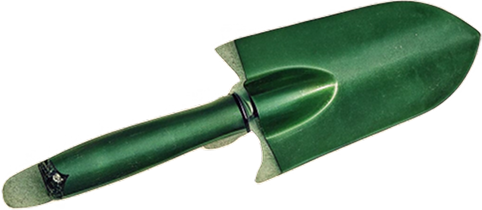
Gather pruners, rake, garden fork, drip irrigation kits, and row covers.
Grow Nutrition & Flavor
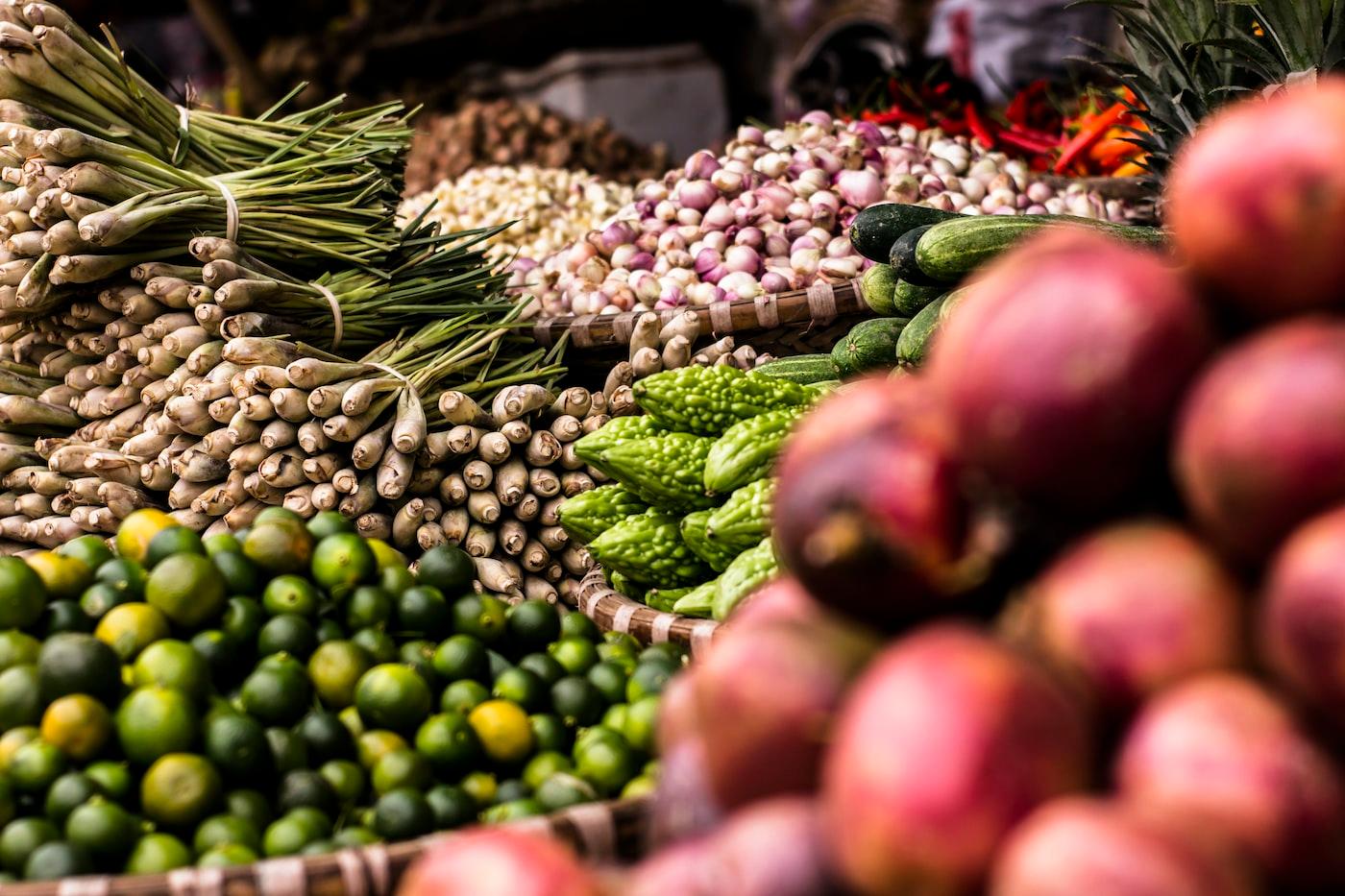
Homegrown veggies are nutrient-rich. Include herbs for flavor. Plant pollinator flowers for pest control and bigger harvests.
Want a more guided way to practice spring gardening?
Frequently Asked Questions about Spring Gardening
When is the best time to begin planting for spring?
Plant once soil temperatures reach 45°F (7°C), typically between late February and early April, depending on your region. Warm, workable soil encourages effective root growth and robust plant establishment.
How can gardeners effectively prepare garden beds early in spring?
Clear winter debris thoroughly, enrich the soil with a balanced, organic compost to restore nutrients, and loosen compacted soil to improve aeration and drainage. This preparation sets immediate conditions for vigorous spring growth.
What vegetables thrive with early spring planting?
Early-spring vegetables such as peas, spinach, lettuce, carrots, radishes, and kale perform exceptionally well under the cooler temperatures characteristic of early spring. Plant these crops early for an abundant early-season harvest.
What methods help protect plants from unexpected late frost?
Utilizing protective covers such as cloches, row covers, or frost blankets safeguards young plants from unexpected late frost events. Installing these protections during evening hours and removing them after sunrise ensures plants remain healthy without overheating.
How frequently should gardeners water their gardens during spring?
Water garden beds consistently, aiming for about 1 inch (2.5 cm) of water weekly. Consider rainfall frequency to avoid overwatering. Maintaining moist, not waterlogged, soil supports vigorous, healthy plant development.
Should pruning of perennial plants occur in spring?
Early spring provides optimal conditions for pruning perennials. Trim away dead, damaged, or diseased plant matter, stimulating new growth and healthier flowering during subsequent months.
Conclusion
Spring gardening boils down to a few simple things: feed your soil, keep your plants hydrated but not waterlogged, and don’t ignore the weeds. Give your seedlings a boost: cinnamon powder or a handful of eggshells can work wonders. If you’re starting a food garden, remember a little planning saves a lot of sweat later. Sharpen your tools, watch the weather, and don’t be shy about trying something new. The real magic of spring gardening isn’t perfection: it’s paying attention, learning as you go, and getting your hands dirty. Let your yard be a work in progress, and let every season teach you something fresh.


