Organic Weed Killer Methods for Your Vegetable Garden
Organic Weed Killer
kip the chemical cocktail and use an organic weed killer like vinegar or boiling water to zap unwanted weeds in your veggie beds. Mulching with straw or shredded leaves is another smart organic weed killer that smothers invaders, while corn gluten meal stops weed seeds from sprouting. Ready to kick weeds naturally and safely? Let's get growing.
Organic Weed Control Options
- Organic weed controlmotivation
- Why organic matters
- Vinegar mixture
- Boiling water
- Corn gluten meal
- Mulching for suppression
- Flame weeding
- Manual weeding
Article mapOpen the visual summary
Organic Weed Control Options
- Organic weed controlmotivation
- Why organic matters
- Vinegar mixture
- Boiling water
- Corn gluten meal
- Mulching for suppression
- Flame weeding
- Manual weeding
Table of Contents7 sections
Why Organic Weed Killer Matters in Your Veggie Garden
Sitting cross-legged between rows of carrots and spinach, pulling weeds by hand on a summer morning, I've often wondered if there's a better way. Sure, pulling weeds is therapeutic for about ten minutes, but after that, my back begs for mercy.
I've experimented over the years, searching for a reliable organic weed killer that keeps the garden healthy and thriving without chemicals. Lucky for you, I've found some effective organic solutions to share.
My Trusty Vinegar Mixture
If you're like me, vinegar isn't limited to salad dressing; it's garden gold. Household white vinegar (at least 5% acidity) is a fast-acting, effective, and budget-friendly option for weed control.
Combine one gallon (3.8 liters) of vinegar with one cup (236 ml) of table salt and a tablespoon (15 ml) of dish soap. Spray liberally over weeds on a sunny, dry day (temperatures above 70°F or 21°C are ideal).
The Boiling Water Trick
Occasionally, simplicity wins. Pouring boiling water directly onto stubborn weeds delivers swift results, especially in tight spaces between rows.
Once, irritated by crabgrass invading my kale patch, I attacked with a kettle full of boiling water. By evening, those weeds shriveled like spinach sautéed in butter.
Corn Gluten Meal: Preventive Magic
Corn gluten meal is a pre-emergent weed suppressant, meaning it prevents weed seeds from sprouting. Every spring, I sprinkle it generously around established veggie plants to reduce weeds later in the season.
Timing is essential: apply early, before weed seeds germinate, about mid-spring when soil temperature reaches around 55°F (13°C).
Mulching for Weed Suppression
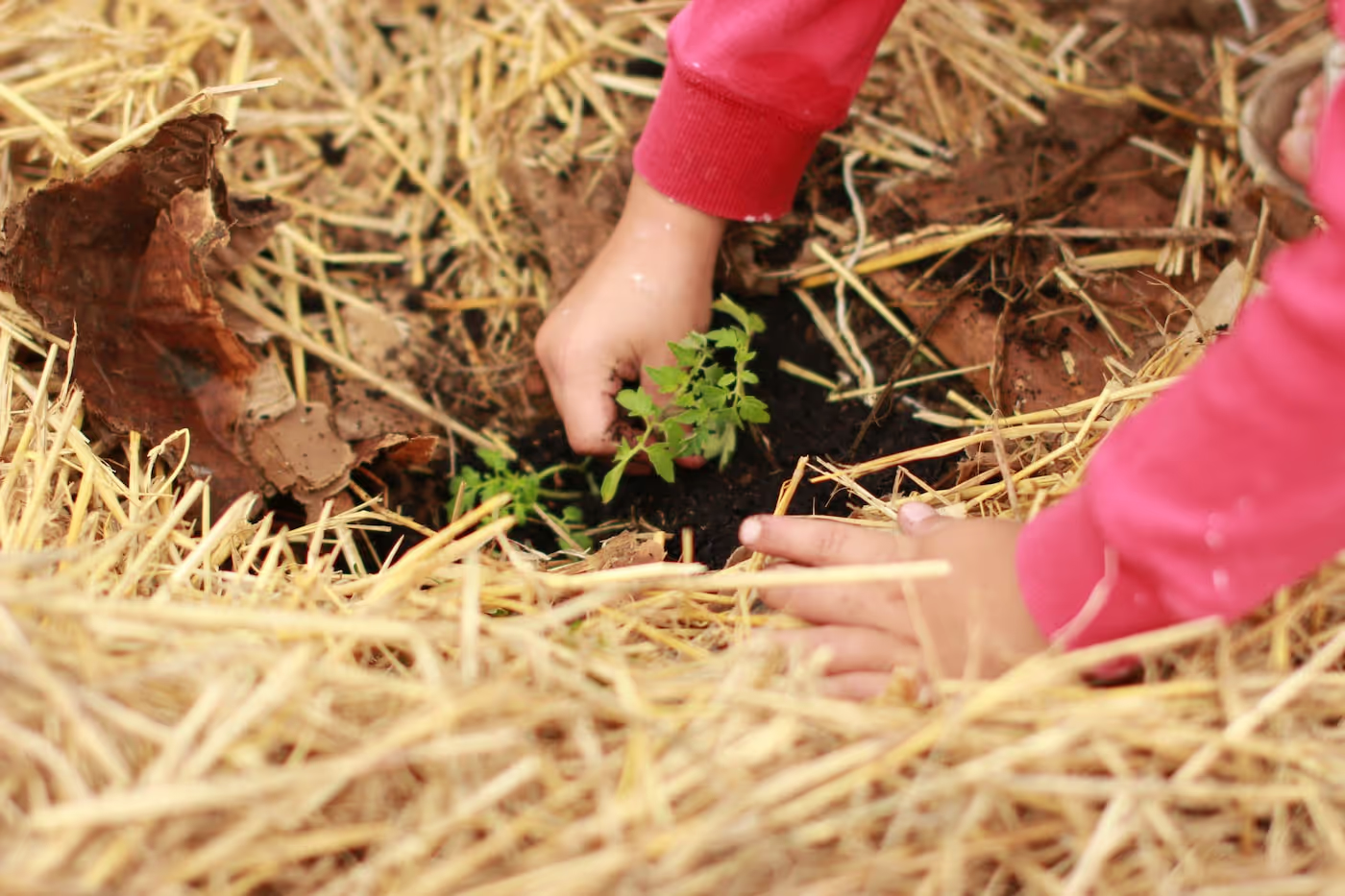
Over the years, I've discovered nothing beats an ample layer of mulch to keep weeds at bay. It blocks sunlight, depriving weeds of their lifeblood.
My favorite mulches include straw, shredded leaves, and grass clippings (chemical-free, of course). I apply a layer about 2-3 inches (5-7 cm) thick around plants after the soil warms up.
The Power of Flame Weeding
Feeling slightly adventurous? Flame weeding is my go-to method for pathways and larger open areas. A propane torch swiftly passes over weeds, heating foliage enough to rupture plant cells without setting them ablaze.
I recall the first time I torched weeds. It felt wildly satisfying, almost cinematic. Just make sure the flame doesn't linger too long or near dry mulch.
Manual Weeding: Still Essential
At the end of the day, some weeds demand a good old-fashioned wrestling match. Removing weeds by hand or with a hoe, especially after rainfall, ensures thorough root removal.
I find this task oddly meditative (in shorter bursts, mind you). Just be sure to pull young weeds early before roots anchor deeply.
Each of these organic methods offers unique benefits, enabling you to select a combination that suits your gardening style. While weeds will always find ways to persist, these solutions help tip the balance in your favor.
Here's to fewer weeds and more flourishing veggies!
Cheatsheet: Fast Organic Weed Control for Veggie Beds
Mulching
Suppresses 90%+ of annual weed seeds; Use straw, grass clippings, or shredded leaves; Apply 2-3" (5-8cm) thick; Top up every 4-6 weeks.
Flame Weeding
Pass flame quickly over weeds (avoid veggies); Works best on young weeds; Repeat after rain or new growth.
Vinegar & Salt Spot Treatment
Mix 1 gal (3.8L) 10-20% vinegar + 1/4 cup (75g) salt; Add 1 tbsp (15ml) dish soap (helps stick to leaves); Spray only on weeds: avoid crops; Best in full sun, 70°F/21°C+.
Hand Pulling
Remove whole roots; Easiest after rain or watering; Prevent seed spread with regular checks.
Tools and Products Needed
Organic mulch; Household vinegar (10-20%); Salt; Dish soap; Pump sprayer or spray bottle; Hand weeder or hoe; Flame weeder (propane torch); Gloves; Wheelbarrow/bucket.
Steps for Organic Weed Removal
Clear large weeds by hand, removing entire root; Spread mulch at least 2" (5cm) thick around crops; Use flame weeder on young weeds between rows (keep torch moving); Mix vinegar, salt, and soap. Spot spray weeds away from crops; Check weekly and repeat methods as needed.
Health, Nutrition, & Self-Sufficiency Boosts
Fewer weeds = higher yields, stronger crops; Skip chemicals: protect soil microbes & pollinators; Reduces manual labor by up to 60% over a season.
Want a more guided way to practice organic weed killer?
Frequently Asked Questions About Using Organic Weed Killer in Vegetable Gardens
How quickly does an organic weed killer show results?
Most organic weed killers begin visibly wilting weeds within 24 hours, but complete eradication typically requires 3 to 5 days. Factors like sunlight intensity and temperature: which ideally ranges between 65°F and 85°F (18°C to 29°C) can speed up or slow down effectiveness.
Are organic weed killers safe to use near edible plants?
Yes, organic weed killers made from vinegar, citrus oils, or corn gluten meal safely control weeds near edible crops. Apply selectively and carefully to prevent unintended contact or overspray onto vegetable plants.
Will organic weed killers harm beneficial insects and soil microorganisms?
No, organic weed killers typically pose minimal risk to beneficial insects and essential soil life. Unlike chemical formulations, products made from natural ingredients like citric acid or acetic acid degrade rapidly without leaving harmful residues.
Can homemade organic weed killers replace store-bought formulations?
Absolutely. Often effective mixtures include vinegar, salt, and natural liquid soap. Mix 1 gallon (3.8 liters) of white vinegar with 1 cup (236 ml) of table salt and 1 tablespoon (15 ml) of natural soap as an affordable alternative to commercial products.
What's the best way to apply organic weed killers for maximum efficiency?
For optimal results, apply organic weed killers in the early morning on dry, sunny days, when temperatures remain consistently between 65°F and 85°F (18°C to 29°C). Ensure thorough coverage directly onto weed leaves, avoiding vegetable plants entirely.
How often should organic weed killers be reapplied?
Repeat treatments every two to three weeks or following significant rainfall. Consistent monitoring and timely reapplication prevent weed regrowth and maintain garden health.
Conclusion
Keeping weeds out of a vegetable patch isn’t about endless struggle. It’s about working smarter. Organic Weed Killer methods aren’t flashy, but they respect the soil and the food you grow. Mulch thick, pull weeds when they’re young, and don’t underestimate the power of a sharp hand trowel or garden hoe. Vinegar, boiling water, and a little elbow grease go a long way. If you want to take it up a notch, check out these homemade weed killer solutions: simple, effective, and safe for your dinner plate. Control weeds with organic methods, and you’ll grow stronger, cleaner harvests season after season. That’s the real reward for your time in the dirt.


