Rare Houseplants: Distinctive Indoor Beauties to Inspire
Rare Houseplants
dd character to your indoor space by exploring rare houseplants that transform ordinary rooms into vibrant sanctuaries. With over 390,000 plant species existing worldwide, only a handful of striking specimens steal the spotlight indoors. Tracking down and nurturing rare houseplants sparks conversation, demands research, and rewards patience. Here's your guide to finding, selecting, and caring for indoor plants that defy convention and make your space unforgettable.
Table of Contents5 sections
Why Rare Houseplants Are Worth Seeking Out
Years ago, my obsession for rare houseplants began with a small cutting gifted by a plant collector I knew. Skeptical at first (rare often meant finicky). I soon watched this little specimen flourish into something extraordinary.
Rare houseplants offer a taste of the unexpected. They radiate personality, spark conversations, and transform ordinary spaces into lush indoor jungles filled with intrigue.
Unique Houseplants That Steal the Spotlight
This little exotic beauty stopped me in my tracks at a local botanical event. Its gorgeous leaves resemble mythical dragon scales: thick, leathery textures patterned with silver veins.
Dragon Scales prefer humidity around 60% and temperatures between 60-80°F (16-27°C). Provide them dappled sunlight, and watch their enchanting foliage thrive.
I chased this plant for months before snagging one from a fellow collector. Its deep green leaves splashed randomly with neon-pink variegation still amaze me daily.
Position Pink Princess near a bright window but shielded from direct sun rays. Warm indoor temperatures around 65-78°F (18-25°C), and evenly moist soil keep her stunning all year.
The rare variegated Monstera first caught my eye at a plant auction: its bold, cream-white markings contrasting with lush, tropical greenery. It's one of those plants everyone notices immediately.
Variegated Monsteras flourish in bright, indirect sunlight. Watch moisture levels carefully: be generous with humidity and avoid sudden temperature drops below 55°F (13°C).
Care Tips for Rare Houseplants Beginners Often Miss
Proper Drainage Matters: Rare doesn’t mean delicate, but it does mean mindful watering. Choose pots with drainage holes and airy, well-draining soil to prevent soggy roots. Balanced Humidity: I learned the hard way that indoor air dryness can sabotage rare plants. Investing in a humidifier or placing a pebble tray nearby helps replicate their native tropical conditions. Routine Pest Inspections: Exotic houseplants sometimes attract unwanted visitors. Regularly inspect leaves, stems, and soil surfaces to address potential infestations swiftly. Rare houseplants aren't ornamental trophies; they're living, breathing art forms. Treat them with curiosity, attention, and respect, and they'll reward you generously.
- Proper Drainage Matters: Rare doesn’t mean delicate, but it does mean mindful watering. Choose pots with drainage holes and airy, well-draining soil to prevent soggy roots.
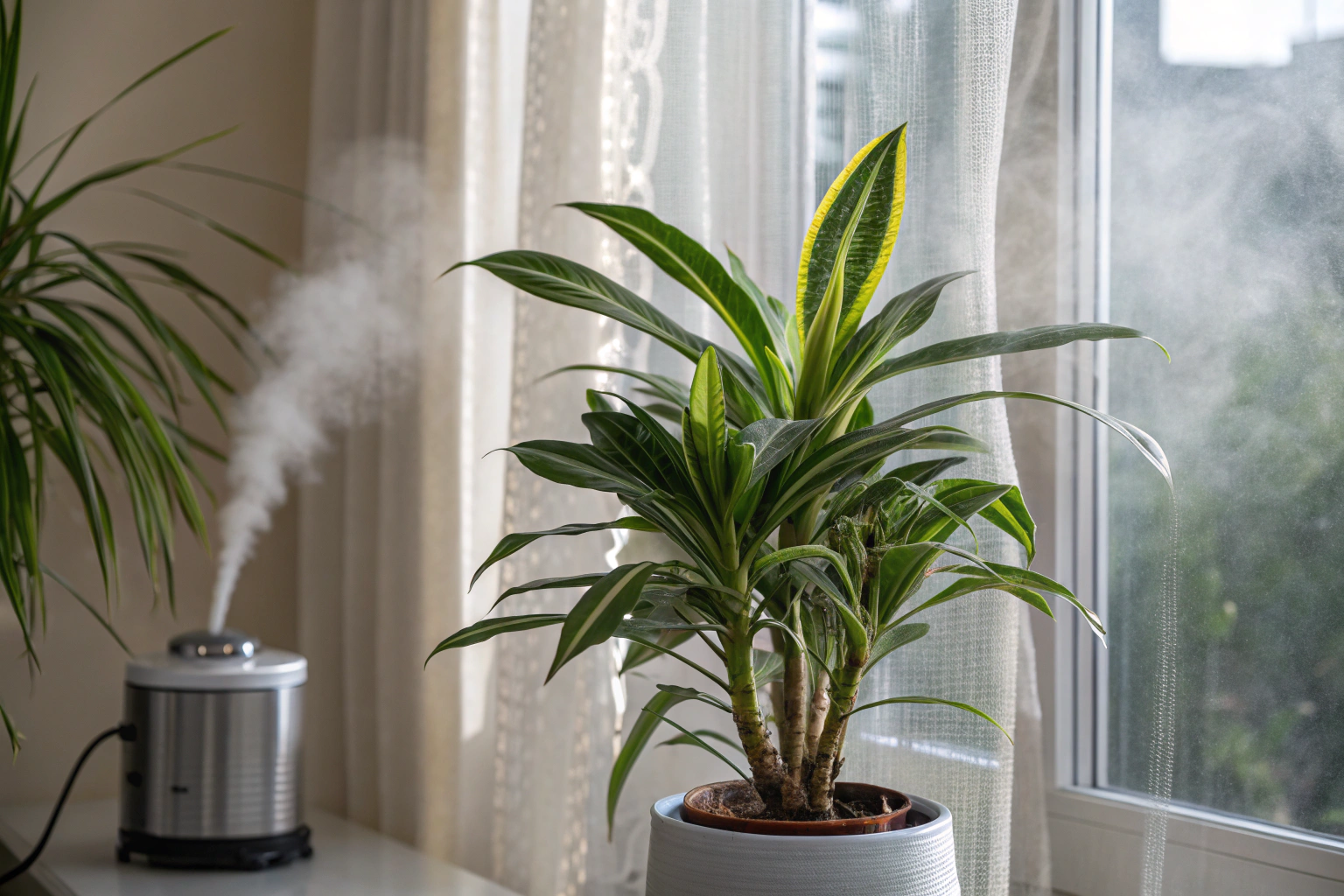
- Balanced Humidity: I learned the hard way that indoor air dryness can sabotage rare plants. Investing in a humidifier or placing a pebble tray nearby helps replicate their native tropical conditions.
- Routine Pest Inspections: Exotic houseplants sometimes attract unwanted visitors. Regularly inspect leaves, stems, and soil surfaces to address potential infestations swiftly.
How to Responsibly Source Rare Plants
Plant hunting feels exhilarating, but responsible sourcing matters even more. Always buy from reputable nurseries focused on ethical propagation and conservation practices.
Share cuttings with fellow plant collectors, supporting a vibrant community that treasures sustainability above trendiness.
Enjoy the Unexpected Rewards
Cultivating rare houseplants demands patience, mindfulness, and a dash of healthy obsession. Yet, every new leaf unfurling or variegation appearing feels like witnessing a tiny, surprising miracle.
These indoor rarities keep gardening endlessly fascinating, reminding us that nurturing life indoors offers endless opportunities for discovery, beauty, and wonder.
Cheatsheet: Cultivating Uncommon Indoor Jewels
Variegated Monstera Details
Only ~1% natural mutations. White or mint streaks. Slow grower.
Philodendron Spiritus Sancti Description
Under 100 in the wild. Long, slender foliage.
Hoya Polyneura Trait
"Fish Tail" pattern; cascades elegantly.
Anthurium Warocqueanum Conditions
Velvet leaves, needs high humidity.
Alocasia Azlanii Features
Metallic veins, compact size.
Optimal Light & Placement
Bright, indirect sun: North/East windows preferred.
Humidity Strategies
Keep humidity 60-80% (18-26°C). Use trays or group plants.
Watering & Feeding Methods
Let soil top 1" dry. Use filtered water. Fertilize monthly.
Wellness Benefits of Rare Plants
Purify air, boost mood, inspire mindfulness.
Required Tools and Products
Grow lights, orchid bark, humidity meter.
Basic Supplies for Potting
Soilless mix, filtered water, pest spray.
Steps for Cultivating Success
Prep custom soil, place in indirect light, water sparingly.
Want a more guided way to practice rare houseplants?
Frequently Asked Questions About Caring for Rare Houseplants
How can I identify the right rare plant for my home environment?
Observe your home's light conditions, humidity levels, and available space. Select a rare plant matching these conditions to help it thrive without extensive environmental adjustments.
What special care do rare indoor plants require?
Most rare houseplants prefer consistent indirect sunlight, stable indoor temperatures between 65°F to 80°F (18°C to 27°C), and high humidity levels. Providing consistent moisture and occasional fertilizer promotes steady growth and vibrant foliage.
How often should I water my rare indoor plants?
Water frequency varies, but typically rare houseplants thrive best with watering once the top 1-2 inches (2.5-5 cm) of soil dries out. Monitor your plant closely, adjusting according to the season and indoor humidity levels.
Are there common pests or issues affecting uncommon houseplants?
Yes, rare indoor plants can encounter pests such as spider mites, aphids, or mealybugs. Regularly inspecting leaves and using gentle insecticidal soaps or neem oil treatments prevent infestations and keep your plant healthy.
What's the best soil mixture for growing rare indoor plants?
Rare indoor plants prefer well-draining, airy potting mixes incorporating materials like peat moss, perlite, orchid bark, or coconut coir. This combination ensures adequate oxygen flow to the roots and prevents waterlogging.
Can I propagate rare houseplants easily at home?
Many unusual indoor plants propagate effectively through stem cuttings, division, or leaf propagation. With patience, suitable humidity, and optimal temperature: around 70°F, 75°F (21°C, 24°C), successful propagation becomes achievable.
How do I increase humidity levels around rare houseplants?
Boost humidity using pebble trays filled with water, grouping plants together, installing humidifiers, or placing plants in environments like bathrooms or kitchens. Adequate humidity promotes lush foliage and plant longevity.
When should I repot my unusual indoor plants?
Repot rare houseplants every 1-2 years, preferably during their active growing period or spring season. Choose pots about 1-2 inches (2.5-5 cm) larger in diameter, allowing root systems sufficient room to thrive.
Conclusion
Rare houseplants reward patience and curiosity with living art that transforms any room. Their unique forms and colors invite daily appreciation and a sense of wonder. Caring for these plants means paying attention: reading the leaves, adjusting the light, and sometimes improvising with things like honey for propagation. The satisfaction comes not from perfection, but from the small victories: new roots, unfurling leaves, a plant that thrives against the odds. If you’re searching for something out of the ordinary, rare houseplants deliver beauty with a story. Bring one home, and you’ll see: these plants don’t just fill space; they spark conversation and connection.


