Root Rot: Identify Early Warning Signs and Rescue Your Plants
Root rot
oot rot wipes out plants fast, turning roots mushy and setting off a spiral of yellow leaves and stunted growth. Fast detection of root rot saves garden beds: look for soggy soil, limp stems, and a sour smell. Root rot takes hold when fungi or bacteria attack waterlogged roots, so careful watering and soil checks are your best defense.Want to fight back and keep your plants thriving? Read on for smart fixes and battle-tested prevention you can count on.
Table of Contents8 sections
- Root Rot: The Silent Killer Lurking Below· 1 min
- Root Rot: Treatment and Prevention That Actually Work· 1 min
- Unpot the plant
- Rinse roots gently with clean water
- Snip all mushy, brown roots with sterilized pruners
- Repot in fresh, sterile potting mix
- Always use a clean pot (soak in 10% bleach solution first)
- Top 3 Potting Mixes for Root Rot Resistance· 2 min
Root Rot: The Silent Killer Lurking Below
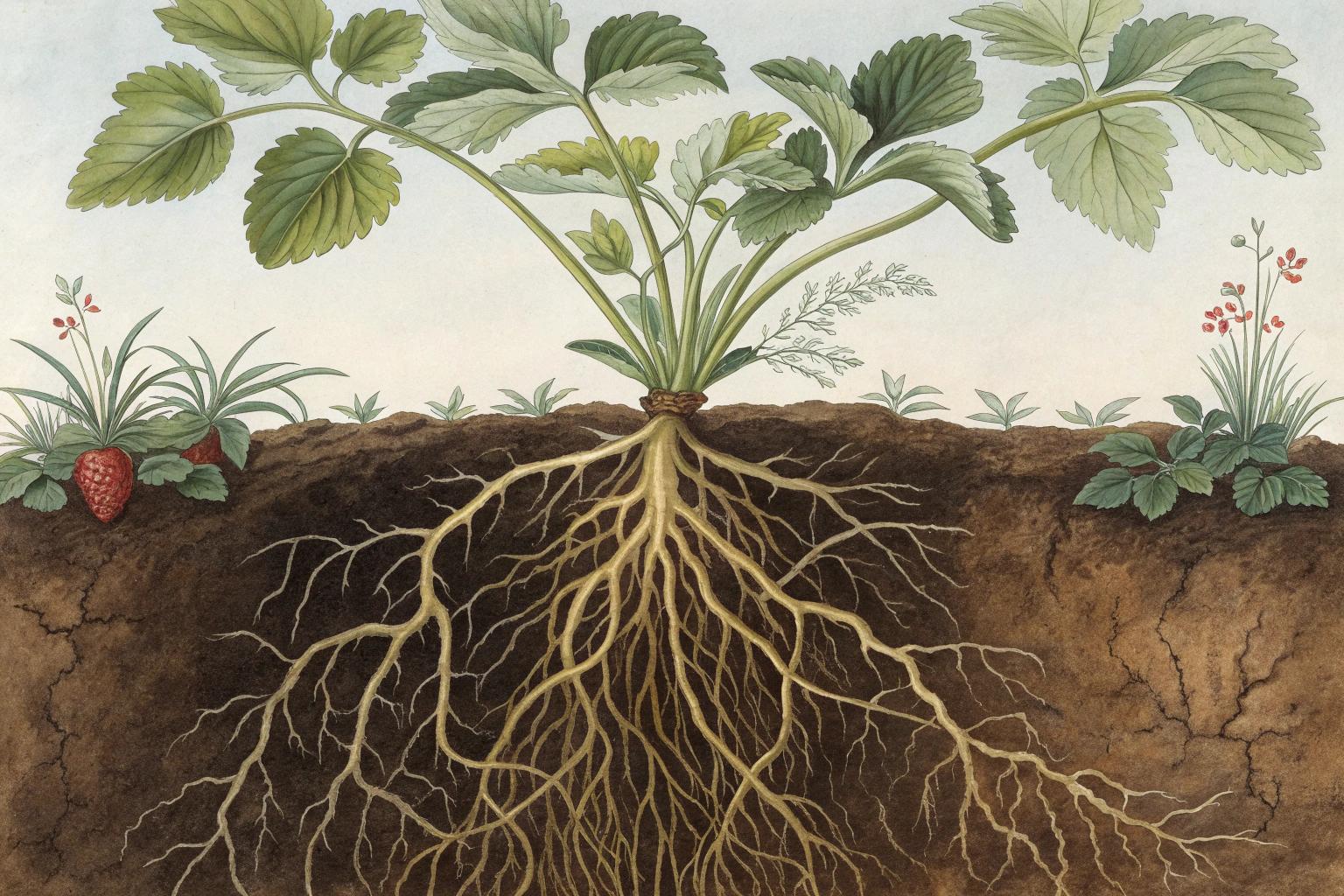
Root rot is the silent assassin of plant life. Fungi and water molds like Phytophthora and Pythium sneak in when soil is soggy, suffocating roots until they turn mushy, brown, and give off a foul tang.
In my first year with tomatoes, I learned this lesson the hard way. A warm summer storm made Swiss cheese out of my drainage plans. My beefsteaks never grew back after their roots melted away.
Consistent overwatering and poor drainage create the feast. Fungi thrive between 60-75°F (15-24°C), according to the University of California’s Integrated Pest Management Program.
They'll creep in (sometimes via infected potting soil or reused pots) and quietly dismantle your plant’s foundation.
One geranium in my collection soldiered on through leaf drop, only to reveal on unpotting that the roots looked like steamed noodles (slimy, weak, defeated).
Root Rot: Treatment and Prevention That Actually Work
I've battled Pythium in houseplants for years and can vouch: once roots go translucent and smell like bad fish, it's time for swift surgery. Don't hesitate. Plants in soggy soil rarely forgive mistakes for long.
I always recommend erring on the dry side. Roots can recover from thirst quicker than from rot. If you're not sure, stick a wooden chopstick into the soil and check for dampness halfway down.
Chemical fungicides (like those containing mefenoxam) may halt early infections but won’t revive already decaying roots. In my experience, biological products containing Trichoderma species work well as a preventive additive in moist climates. Cornell University studies have shown up to 60% reduced incidence of root rot when beneficial microbes colonize the root zone.
Always read the label and source your product from a reputable supplier.
- 1
Unpot the plant
- 2
Rinse roots gently with clean water
- 3
Snip all mushy, brown roots with sterilized pruners
leave only firm, white ones. - 4
Repot in fresh, sterile potting mix
- 5
Always use a clean pot (soak in 10% bleach solution first)
Top 3 Potting Mixes for Root Rot Resistance
These blends buffer against overwatering. A good mix has at least 20% perlite or pumice for air pockets.
Root rot strikes fast in hydro systems. I lost an entire baby kale crop once to an oxygen-starved reservoir. Without healthy dissolved oxygen (aim for 6-8 mg/L), roots turn brown almost overnight.
Use an air stone and drop the thermostat if water feels warm to the touch.
Orchids, pothos, and succulents top the list of root rot victims indoors. Decorative cache pots can hold water below the liner. I always double-check after watering by tipping the outer pot.
Propagation water can harbor pathogens for weeks: always use fresh water for cuttings, and rinse roots before planting.
If you catch it early, roots may bounce back in 2-8 weeks. Severely damaged plants often die within days. Don’t expect every patient to make it; the odds favor aggressive intervention and patience.
If in doubt, digital coaching can help: services like Taim.io provide tailored instructions, reminders, and ID for plant ills. I use it when managing large container gardens or remote troubleshooting for clients.
Root rot rewards vigilance, quick action, and ruthless pruning. Trust your fingers and your nose, and never be afraid to take a plant out of its pot for a hard look below the surface. Plants forgive slow drinks and lean soil, but rarely a sopping, stagnant root zone.
Cheatsheet: Rescue Plants from Wilting Roots Fast
Causes Overwatering suffocates roots Poor drainage creates soggy soil Cool temps ( Fungal pathogens attack weakened roots ️ Symptoms Yellow, limp, or drooping leaves Black, mushy roots with foul odor Stunted growth or leaf drop Quick Actions Remove plant from soil. Rinse roots gently. Trim all black/brown mushy roots using clean shears. Treat healthy roots with fungicide or 3% hydrogen peroxide. Repot in fresh, well-draining mix. Use sterilized container. Water sparingly. Place in indirect light at 68-77°F / 20-25°C. Tools and Products You'll Need Pruning shears (sterilized) New potting mix (loamy, well-draining) Container with drainage holes Fungicide or hydrogen peroxide Plastic gloves Prevention Water only when top 1-2" (2.5-5cm) soil is dry Choose pots with drain holes Sanitize tools before use Rotate plants to boost airflow Stat: 80% plant owners overwater, root rot kills 70% of houseplants lost to disease. Nutrition & Self-Sufficiency
Healthy roots yield more nutrient-dense veggies and herbs. Prevent root rot to maximize self-sufficiency and harvests.
Want a more guided way to practice root rot?
Frequently Asked Questions About Root Rot
How can I recognize early signs of root rot in my plants?
Look for wilting leaves even when the soil feels damp, yellowing foliage, and a musty odor near the base of the plant. Gently remove the plant from its pot and inspect the roots. Affected roots often appear brown or black, mushy, and may slough off when touched.
What causes root rot to develop?
Overwatering ranks as the leading cause, as soggy soil restricts oxygen and encourages fungal pathogens. Poor drainage, compacted soil, and using pots without drainage holes can also foster excess moisture around the roots, triggering disease development.
Can root rot spread to other plants?
Yes, fungal spores and infected soil particles can move through water splashes, shared tools, or by reusing contaminated soil. Always sterilize tools and avoid placing healthy plants near affected ones to limit transmission.
What steps should I take if I suspect root rot?
Immediately remove the plant from its container and trim away all affected roots using sterilized scissors. Repot the plant in fresh, well-draining soil and a clean container with good drainage holes. Disinfect all tools and discard the old soil to prevent repeated infection.
How can I prevent root rot from returning?
Allow the top 1-2 inches (2.5-5 cm) of soil to dry before watering again. Use containers with ample drainage holes and select well-aerated soil mixes. Avoid letting pots stand in saucers of water. Maintain temperatures between 65-75°F (18-24°C) to discourage fungal growth.
Are there any home remedies or treatments for root rot?
Cinnamon or activated charcoal may help deter pathogens when dusted on cut root surfaces before repotting. However, severe cases may require a commercial fungicide formulated for plants. Always follow package instructions to avoid harming your plant.
Conclusion
Root rot doesn’t care if you’re growing tomatoes in old coffee cans or tending prize roses in raised beds. Too much water, tired soil, and poor drainage will take down the hardiest plants. The fix isn’t complicated: stay sharp with your watering routine, keep soil loose, and use a pot that lets roots breathe. If you’re growing in containers, check out garden pots for growing vegetables for tips on better drainage. For those seeing wilted leaves and mushy stems, dig deeper: why do my vegetable plants keep dying can help spot the trouble early. Get your hands in the dirt, trust your instincts, and keep your soil alive. Root rot doesn’t stand a chance if you stay one step ahead.


