Tomato plant not flowering? Key causes and how to fix them
Tomato plant not flowering
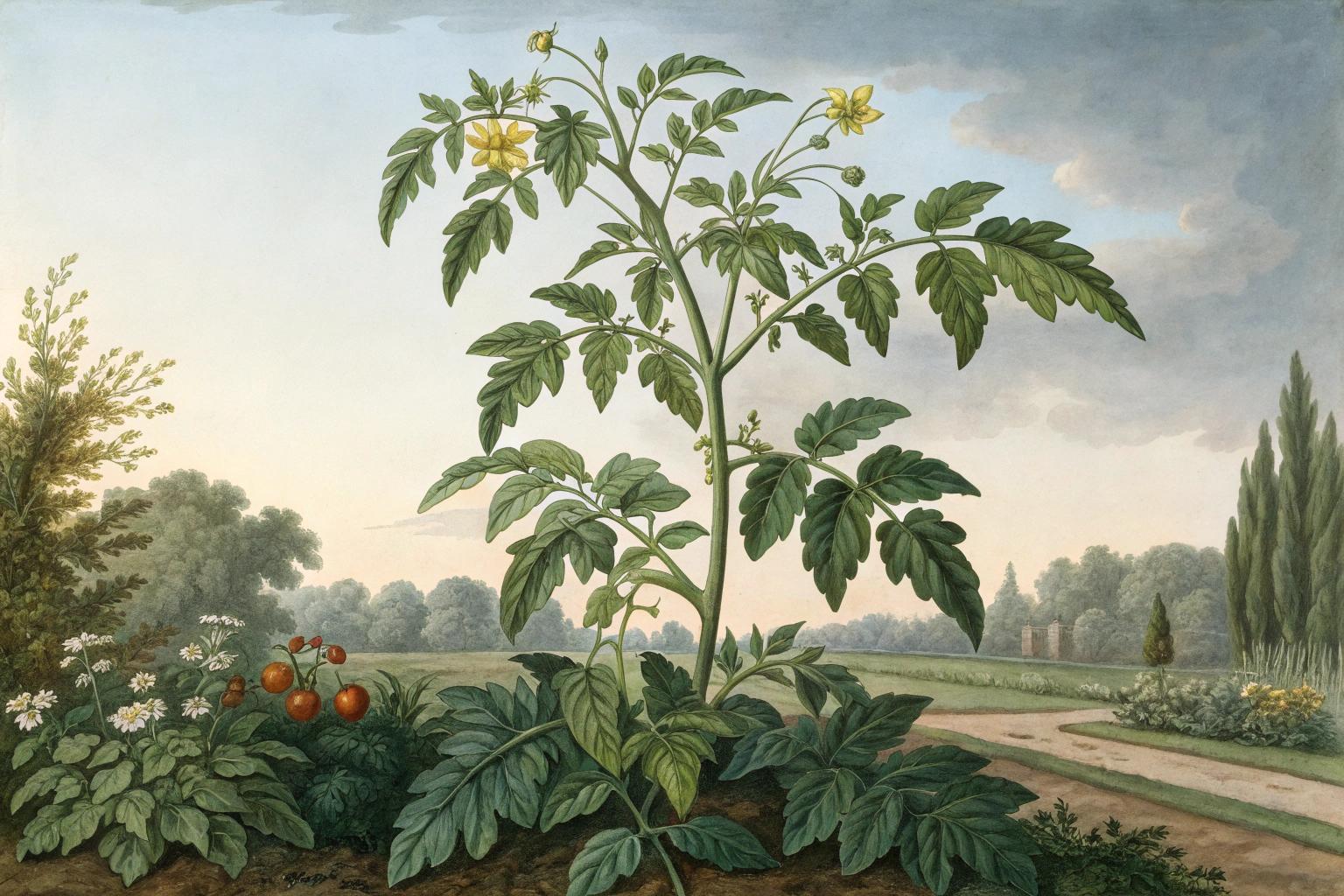
omato plant not flowering? Prune excess foliage, check sunlight: tomato plant not flowering often signals stress. Boost phosphorus, and avoid high nitrogen; a tomato plant not flowering may lack these essentials. Settle in for straight talk on coaxing reluctant blooms and getting your plants to fruit with confidence.
Table of Contents10 sections
- Tomato plant not flowering? Key causes and how I fix them· 3 min
- Quick fixes that have saved my season· 2 min
- My field notes: what each symptom usually means· 1 min
- Top gear and inputs I actually buy for bloom-friendly tomatoes· 2 min
- Varieties that flower early and dependably for me· 1 min
- Fertilizer timing that keeps the flowers coming· 1 min
- Container growers: special notes· 1 min
- Field growers: soil and spacing· 1 min
- Pollination tricks that help once flowers appear· 1 min
- My troubleshooting flow, step by step· 2 min
Tomato plant not flowering? Key causes and how I fix them
- Tomato plant not flowering
- Check heat, nitrogen, shade, roots, stress
- Adjust temperature, shade, and watering
- Fix nitrogen, EC, light, pH, roots
- Buds and clusters form and hold
I read plants like a bartender reads a Tuesday regular, and a tomato plant not flowering usually screams one of a few things: heat, nitrogen, shade, roots, or stress. I have torched entire July crops by ignoring those five.
Tomatoes are day neutral, yet temperature drives their hormones. Buds stall, dry, or never form when the air swings out of the sweet spot.
Target steady days around 70 to 85 F, 21 to 29 C, and nights near 60 to 68 F, 16 to 20 C. Bursts above 90 F, 32 C, or nights below 55 F, 13 C, can shut down flower initiation.
On my hottest patio, a 30 percent shade cloth during 1 to 5 p.m. kept trusses coming. A cheap max-min thermometer caught the real story, not the app fantasy.
If the foliage looks like a spinach advertisement and there are no clusters, you fed lawn food. High nitrate pushes vegetative growth and suppresses flowering signals.
Switch to a low N, higher P and K feed once plants reach first truss: think 3-4-6, 4-6-3, or 2-5-8. I spoon-feed 1 tablespoon, 15 ml, per gallon, 3.8 l, every 10 to 14 days, then adjust to leaf color and bloom count.
Watch electrical conductivity if you grow in containers. An EC above 2.5 mS/cm in soilless media has stalled my blooms, so I leach with clear water until runoff EC drops by half.
Tomatoes flower on their own clock, but dim light drags that clock. Six to eight hours of direct sun is the floor.
In dim courtyards, I supplement to about 300 to 600 PPFD for 12 to 14 hours with full-spectrum LEDs hung 18 to 24 inches, 45 to 60 cm, above the canopy. The difference shows in two weeks of tighter internodes and emerging clusters.
Cherries and early slicers throw first clusters around 5 to 7 weeks from transplant. Big beefsteaks and heirlooms can take 8 to 10.
Determinates hit once then coast. Indeterminates pace themselves like long-distance runners, so pruning and feeding strategies matter more for them.
Wilt and surge watering cues stress ethylene, and buds abort. I aim for 1 to 1.5 inches of water weekly, 2.5 to 3.8 cm, deeper in heat, with 2 to 3 inches, 5 to 7.5 cm, of mulch.
Humidity matters for pollen and bud survival. Keep it near 40 to 70 percent, or use a morning mist and a light oscillating fan to keep air moving.
Rootbound plants act like caged cats, all leaves and no romance. I use at least 10 gallons, 38 l, per vine outdoors, and 5 gallons, 19 l, only for dwarfs.
Keep pH at 6.2 to 6.8 for nutrient uptake. If growth is dark and lush but shy on blooms, check salts and pH before you blame the seed.
On indeterminates, I prune to one or two leaders and remove suckers below the first flower cluster. That channels carbohydrates into trusses instead of a jungle of leaves.
On determinates, I barely touch them. Over-pruning determinates delays or cancels the main flush, which can look like zero flowers for weeks.
Russet mites and broad mites bronze foliage, crisp tips, and drop buds. A hand lens tells the truth, and sulfur dust or wettable sulfur knocks russet mites back fast if applied early.
2,4-D drift twists petioles and ruins flowering. Viruses like TSWV halt growth and bloom, so I rogue those plants and do not argue with the diagnosis.
No buds at all points to light, nitrogen, or plant age. Buds that appear then vanish point to heat spikes, humidity extremes, mites, or root stress.
I flick trusses at midday to test stability. If they shatter or powder, I fix humidity and heat first.
Quick fixes that have saved my season
- 1
Boost usable light
Move pots to full sun or add LEDs to hit 300 to 600 PPFD at canopy level.
- 2
Adjust fertilizer balance
Swap high-nitrogen fertilizer for low N, higher P and K, then feed lightly but consistently.
- 3
Manage heat and watering
Install 30 percent shade cloth during the hottest window and water in the morning.
- 4
Give roots more space
Up-pot to 10 to 15 gallons, 38 to 57 l, if roots circle the pot wall.
- 5
Flush excess salts
Leach salts until runoff EC drops, then resume half-strength feeding.
- 6
Dial in pH range
Keep pH between 6.2 and 6.8, using a soil test kit before chasing ghosts.
Move pots to full sun or add LEDs to hit 300 to 600 PPFD at canopy level. Swap high-nitrogen fertilizer for low N, higher P and K, then feed lightly but consistently. Install 30 percent shade cloth during the hottest window and water in the morning. Up-pot to 10 to 15 gallons, 38 to 57 l, if roots circle the pot wall. Leach salts until runoff EC drops, then resume half-strength feeding. Keep pH between 6.2 and 6.8, using a soil test kit before chasing ghosts. Add mulch and aim for even moisture, never sopping, never droughty. Scout with a 10x lens for mites or thrips on undersides and newest growth.
My field notes: what each symptom usually means
Lush, dark leaves and no clusters: excess nitrogen or low light. Small pale leaves, tight internodes, slow growth: low fertility or low temps. Buds form, then dry and drop: heat spike, low humidity, or mites. Twisted, strappy growth after mowing day: herbicide drift. Flowers appear late only at the top: rootbound or chronic underwatering.
Top gear and inputs I actually buy for bloom-friendly tomatoes
- Use bloom fertilizers that behave3-4-6 organic granular, 4-6-3 tomato formulations, or a 2-5-8 liquid for containers.
- Hang the right shade cloth30 percent for heatwaves, 40 percent for desert patios.
- Dial in LED grow lightsUse a dimmer and known PPFD map to target 300 to 600 PPFD at plant height.
- Carry a soil pH and EC meterA pocket combo meter has saved more plants than any tonic.
- Plant into 10 to 15 gallon grow bags10 to 15 gallon, 38 to 57 l, grow bags with sturdy seams and breathable fabric.
- Apply wettable sulfur in cool hoursFor russet mites and early powdery pressure, applied in cool hours.
- Run a clip-on oscillating fanFor still greenhouses, low speed all day.
Bloom fertilizers that behave: 3-4-6 organic granular, 4-6-3 tomato formulations, or a 2-5-8 liquid for containers. Shade cloth: 30 percent for heatwaves, 40 percent for desert patios. LED grow lights with a dimmer and known PPFD map: target 300 to 600 PPFD at plant height. Soil pH and EC meter: a pocket combo meter has saved more plants than any tonic. 10 to 15 gallon, 38 to 57 l, grow bags with sturdy seams and breathable fabric. Wettable sulfur for russet mites and early powdery pressure, applied in cool hours. Clip-on oscillating fan for still greenhouses, low speed all day.
- Bloom fertilizers that behave: 3-4-6 organic granular, 4-6-3 tomato formulations, or a 2-5-8 liquid for containers.
- Shade cloth: 30 percent for heatwaves, 40 percent for desert patios.
- LED grow lights with a dimmer and known PPFD map: target 300 to 600 PPFD at plant height.
- Soil pH and EC meter: a pocket combo meter has saved more plants than any tonic.
- 10 to 15 gallon, 38 to 57 l, grow bags with sturdy seams and breathable fabric.
- Wettable sulfur for russet mites and early powdery pressure, applied in cool hours.
- Clip-on oscillating fan for still greenhouses, low speed all day.
Varieties that flower early and dependably for me
Cherry types: ‘Sungold’, ‘Black Cherry’, ‘Gardener’s Delight’. They show first truss fast in 5 to 6 weeks post-transplant. Early slicers: ‘Stupice’, ‘Glacier’, ‘Early Girl’. Good in cool nights near 50 F, 10 C, with quicker bloom. Dwarfs for small pots: ‘Tasmanian Chocolate’, ‘Rosella Purple’. Compact, easy to light well on balconies.
- Cherry types: ‘Sungold’, ‘Black Cherry’, ‘Gardener’s Delight’. They show first truss fast in 5 to 6 weeks post-transplant.
- Early slicers: ‘Stupice’, ‘Glacier’, ‘Early Girl’. Good in cool nights near 50 F, 10 C, with quicker bloom.
- Dwarfs for small pots: ‘Tasmanian Chocolate’, ‘Rosella Purple’. Compact, easy to light well on balconies.
Fertilizer timing that keeps the flowers coming
I feed a balanced starter at transplant, then hold nitrogen steady and lean into potassium at first truss. Phosphorus matters early, yet overdoing it locks up micronutrients and does not speed blooms.
Seaweed extracts can help plants ride heat, yet they are not a magic switch. Epsom salts only help if a magnesium deficiency is confirmed, so I test before I toss.
Container growers: special notes
Use a peat or coir based mix with perlite for drainage. Add 10 to 15 percent finished compost for cation exchange without turning the pot into concrete.
Water by weight of the pot, not by calendar. If runoff EC climbs or leaf tips crisp, flush, then resume lower concentration feeding.
Field growers: soil and spacing
Space 18 to 24 inches, 45 to 60 cm, within rows, and 36 to 48 inches, 90 to 120 cm, between rows for air and light. Side-dress with a low N, higher K blend at first bloom, then again three weeks later.
Mulch with clean straw to steady moisture and keep soil heat temperate. Stake or trellis early so stems do not sprawl and hide trusses from sun.
Pollination tricks that help once flowers appear
Even though they self-pollinate, I tap the support line or use an electric toothbrush on the stem near noon on still days. That vibration releases pollen like a summer rain on a tin roof.
Keep humidity near 50 to 65 percent during flowering if possible. In greenhouses, vent early and often to avoid sticky pollen that clumps.
My troubleshooting flow, step by step
- 1
Check recent temperatures
Check temperature highs and lows for the past 7 days using a max-min thermometer.
- 2
Measure direct sunlight
Count hours of direct sun on the canopy, then correct with pruning or lights.
- 3
Test pH and EC
Test pH and EC in the root zone, then flush or feed accordingly.
- 4
Inspect for pests
Inspect for mites and thrips with a 10x lens, and treat fast if any are found.
- 5
Evaluate root restriction
Assess pot size or root restriction, then up-pot if circling roots show.
- 6
Tweak fertilizer balance
Adjust fertilizer to a lower N, higher K pattern and watch new growth and truss count.
Check temperature highs and lows for the past 7 days using a max-min thermometer. Count hours of direct sun on the canopy, then correct with pruning or lights. Test pH and EC in the root zone, then flush or feed accordingly. Inspect for mites and thrips with a 10x lens, treat fast if found. Assess pot size or root restriction, then up-pot if circling roots show. Adjust fertilizer to a lower N, higher K pattern and watch new growth and truss count. Add shade cloth for heat spikes and a fan for stagnant, humid pockets.
- 1
Check temperature highs and lows for the past 7 days using a max-min thermometer
- 2
Count hours of direct sun on the canopy, then correct with pruning or lights
- 3
Test pH and EC in the root zone, then flush or feed accordingly
- 4
Inspect for mites and thrips with a 10x lens, treat fast if found
- 5
Assess pot size or root restriction, then up-pot if circling roots show
- 6Adjust fertilizer to a lower N, higher K pattern and watch new growth and truss count.
- 7
Add shade cloth for heat spikes and a fan for stagnant, humid pockets
Numbers that guide my decisions
Ideal day and night for flowering: 75 F day, 24 C, and 63 F night, 17 C. Sunlight target: 6 to 8 hours direct, or 300 to 600 PPFD indoors. Soil or media pH: 6.2 to 6.8, with calcium and magnesium balanced. Weekly water: 1 to 1.5 inches, 2.5 to 3.8 cm, adjusted for heat and wind. Fertilizer pattern: low N after first truss, emphasize K for continuous flowering.
Why this all works
Flowering in tomatoes is a resource decision by the plant, a handshake between light, temperature, and nutrient signals. Get those in tune, and trusses appear like a metronome, one after another.
I have pulled plants back from leafy silence in ten days with these steps. The first cluster shows, then the second, then you start staking again and life feels right.
Cheatsheet: Tomato Blooms Missing? Fix It Fast
Maintain Ideal Temperature Ranges
Aim for 70-85°F (21-29°C) during the day and 55-70°F (13-21°C) at night. Temperature extremes can halt blooms.
Increase Sunlight Exposure
Ensure a minimum of 6-8 hours of full sun daily. Insufficient light reduces bloom potential.
Water Consistently
Keep soil consistently moist but not soggy. Mulching helps reduce evaporation.
Balance Nutrients Properly
Avoid high-nitrogen fertilizers. Opt for low-N, high-P-K options to promote flowering.
Smart Pruning Techniques
Prune suckers below the first flower cluster to direct energy to blooms.
Stress Avoidance Practices
Prevent drought, soggy roots, pests, and disease for healthier, blooming plants.
Select Suitable Varieties
Choose compact or determinate types for earlier flowering, especially in cooler climates.
Essential Tools and Supplies
You'll need low-nitrogen tomato fertilizer, organic mulch, pruning shears, soil thermometer, and sunlight meter (optional).
Want a more guided way to practice tomato plant not flowering?
Frequently Asked Questions: Troubleshooting Lack of Tomato Blooms
Why do my tomatoes have healthy leaves but refuse to set buds?
If your plants boast lush, leafy growth but produce no blossoms, nitrogen imbalance often causes this problem. An excess of nitrogen fertilizer pushes foliage growth at the expense of flowers. Use a balanced fertilizer with a higher percentage of phosphorus and potassium to encourage flowering. Avoid over-fertilizing with high-nitrogen products.
How does temperature affect flower production?
High daytime temperatures above 85°F (29°C) or nighttime temperatures above 70°F (21°C) can prevent tomatoes from blooming. On the flip side, prolonged temperatures below 55°F (13°C) also suppress bud development. Provide afternoon shade in hot climates or use protective covers in cooler areas to maintain ideal temperatures.
Can improper watering stop buds from forming?
Inconsistent watering stresses tomato plants and may halt flower development. Keep the soil evenly moist, aiming for around 1-2 inches (2.5-5 cm) of water per week. Avoid both waterlogged and completely dry soil, as either extreme can disrupt the flowering process.
Does light exposure influence bloom production?
Tomatoes need at least 6 to 8 hours of direct sunlight daily. Insufficient light leads to leggy growth and few or no blossoms. If your plants sit in shade for much of the day, relocate them or prune nearby vegetation to maximize sun exposure.
Will container size limit my plant’s ability to produce flowers?
Tomatoes grown in small pots may become root-bound, restricting growth and reducing flowering. Use containers with a minimum capacity of 5 gallons (19 liters) per plant and ensure there are drainage holes. This allows roots to establish and supports healthy flower development.
Could plant diseases or pests prevent flowering?
Diseases such as early blight or pests like aphids and whiteflies can weaken plants and stunt flowering. Examine leaves and stems for signs of insects or fungal spots. Address infestations promptly with organic or chemical controls, as needed, to restore vigor and encourage buds.
Conclusion
Tomato plant not flowering is a classic headache, but the fix calls for a close look at the basics. Check your sunlight: tomatoes crave full sun. Too much nitrogen? Expect lush leaves, but few blooms. Keep your watering steady, not soggy. Temperatures matter; wild weather messes with fruit set. Skip the guesswork and grab the right fertilizer. If you’re growing in pots, size and soil matter: see the rundown on garden pots for growing vegetables. Sometimes, you do everything right and nature still refuses. That’s gardening. Stick with it, tweak what you can, and let the tomatoes teach you patience. For more tough-love vegetable tips, give our blog a look.


