Cinnamon Protects Seedlings Naturally Against Diseases
Cinnamon
prinkle a dash of cinnamon powder onto your seedlings to naturally ward off fungal diseases. Cinnamon's antifungal properties protect young plants, helping prevent damping-off and mold growth. Dust your seed-starting trays lightly with cinnamon to foster healthier, sturdier seedlings. This pantry favorite may surprise you. Read on to discover how cinnamon can keep your garden vibrant and disease-free.
Table of Contents5 sections
Why Cinnamon Is a Seedling Saver
- 1
Let seedlings form true leaves
Wait until seedlings germinate and produce their very first "true" leaves before applying cinnamon powder.
- 2
Dust soil surface lightly
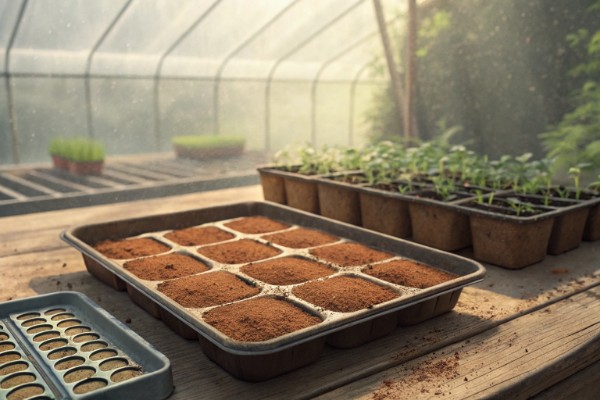
Lightly dust cinnamon powder evenly over the soil surface, avoiding heavily coating the seedlings themselves.
- 3
Reapply when needed
Repeat the application after watering or when you notice soft stems, wilting seedlings, or fuzzy white growth.
Seedlings. Those fragile little sprouts can be heartbreakingly easy to lose to fungal infections.
I've tried everything from chamomile tea baths to expensive fungicides, but nothing compares to the effectiveness and sheer simplicity of cinnamon powder.
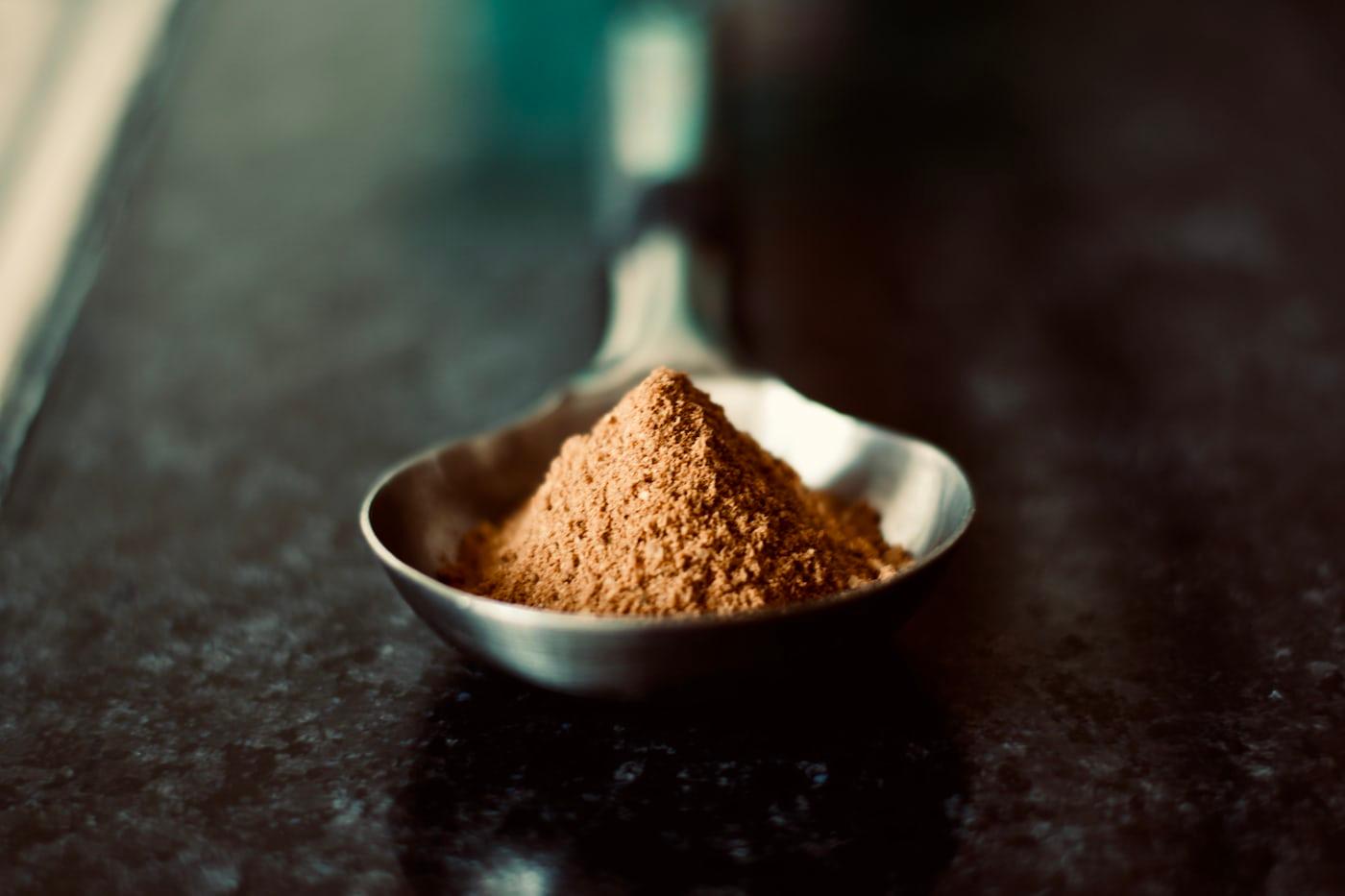
Cinnamon powder possesses natural antifungal properties, making it incredibly effective against common seedling diseases like damping-off.
The primary culprit behind damping-off: Rhizoctonia and Fusarium fungi: can wipe out entire trays overnight, leaving you frustrated and seedless.
Not convinced yet? Let me share a brief story.
A few springs ago, after losing fifty tomato seedlings overnight, desperation drove me to sprinkle cinnamon directly onto the soil surface of my remaining sprouts.
Surprisingly, within days, previously drooping seedlings regained vitality, and new infections ceased completely.
Since that season, cinnamon has become my first line of defense whenever sprouting seeds indoors.
The beautiful thing about cinnamon powder? Simplicity.
To use cinnamon effectively:
Beyond disease prevention, cinnamon powder serves additional roles, making it a gardener's best friend:
Gardening commonly involves complex, time-consuming solutions; yet here, a simple pantry spice steps boldly front and center, proving again that nature often holds the best remedies.
- Repels pests: The smell of cinnamon irritates and deters insects like fungus gnats, which typically infest moist seedling trays.
- Rooting hormone substitute: Cinnamon stimulates root growth and is excellent when propagating cuttings.
- Improved germination rates: Seedlings protected by cinnamon have demonstrated healthier growth patterns and vigor in my experience.
- Always choose pure, ground cinnamon powder (not cinnamon sugar blends). Sugar attracts pests and fungus, making the problem worse!
- Use cinnamon lightly and consistently; excessive quantities can slow down seedling growth.
- Store your cinnamon powder in a dry, cool place (below 75°F/24°C) to maintain its antifungal properties.
- 1
Wait until seedlings germinate and produce their very first "true" leaves
- 2Then, lightly dust cinnamon powder evenly over the soil surface, careful not to coat the plants themselves heavily.
- 3Repeat the application after watering or whenever you notice suspicious fungal signs: soft stems, wilting seedlings, or fuzzy white growth on the soil surface.
Cheatsheet: Shield Seedlings with Cinnamon
Why Choose Cinnamon
Controls damping-off disease with 60% fewer seedling losses. Antifungal, antibacterial, and non-toxic to pets, kids, and pollinators.
Tools and Products You'll Need
Ground cinnamon (not sticks), clean spoon or sifter, spray bottle (optional), seedling trays.
Application Steps
Sprinkle dry cinnamon thinly over moistened soil. For tough issues, mix with water and mist.
Pro Tips
Store cinnamon in an airtight jar to preserve potency. Test on small batches first for plant sensitivity. Use indoors and outdoors.
Want a more guided way to practice cinnamon?
Frequently Asked Questions About Using Cinnamon in Your Garden
How does cinnamon protect seedlings from fungal issues?
Cinnamon powder naturally inhibits fungal growth through its active compound, cinnamaldehyde, which possesses antifungal properties. Sprinkling cinnamon on seedling soil creates an environment unsuitable for fungi, reducing conditions that foster damping-off disease and similar fungal infections.
Which cinnamon type works best for gardening purposes?
For gardening applications, standard culinary-grade ground cinnamon available at grocery stores is effective. Ceylon cinnamon and Cassia cinnamon both contain antifungal qualities suitable for protecting seedlings and young plants.
How much cinnamon should gardeners apply to seedlings?
A thin, even coating of cinnamon powder sprinkled across the soil surface is sufficient. Approximately half a teaspoon (about 2.5 grams) per small seedling container or a generous dusting for seed trays adequately safeguards young plants.
When should cinnamon be applied to seedlings?
Apply cinnamon immediately after planting seeds or transplanting seedlings. Repeat applications every two to three weeks or after heavy watering to maintain protective effectiveness against fungal diseases.
Will cinnamon harm beneficial organisms in garden soil?
No, cinnamon powder selectively deters pathogenic fungi without harming beneficial microbes and earthworms. Its natural compounds target fungal pathogens specifically, allowing beneficial organisms to thrive.
Are there other gardening uses for cinnamon powder?
Yes, cinnamon is versatile in gardening. Gardeners use cinnamon to promote healthy root development on plant cuttings, deter garden pests like ants, and minimize mold growth on seedlings and indoor plants.
How should gardeners store cinnamon powder for gardening?
Store cinnamon powder in a tightly sealed container placed in a dry, cool location away from direct sunlight. Optimal storage temperatures range between 60-75°F (15-24°C), preserving cinnamon's potency and antifungal effectiveness.
Conclusion
Cinnamon doesn’t just belong in apple pie. This humble spice packs real muscle for gardeners. Sprinkling cinnamon on seedlings brings a natural defense, shutting down fungal threats and damping off faster than you can say “pass the watering can.” No lab coats, no fanfare, just a simple, old-school trick that actually works.
Mother Nature gave us cinnamon as a gentle, effective answer to pesky plant diseases. The next time you’re coaxing tender shoots from soil, reach for your spice rack. A bit of cinnamon might be the most straightforward, reliable protection your seedlings ever get.