Companion Planting for a Healthy, Productive Garden
Companion Planting
ompanion planting pairs complementary plants to boost growth, repel pests and enrich soil naturally. Practicing companion planting attracts beneficial insects, reduces disease and adds greater biodiversity to your garden. Mastering the art of companion planting gently nudges nature in your favor, producing healthier yields and vibrant gardens: read on to discover how.
Table of Contents3 sections
What Exactly is Companion Planting?
Good companion pairings
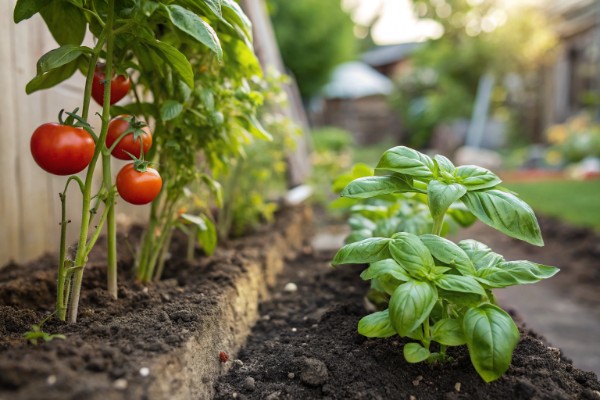
- Tomatoes and Basil
- Beans and Corn
- Carrots and Onions
- Herbs with vegetables
- Vibrant community of plants nurturing each other
Plants that shouldn’t share a bed
- Potatoes and Tomatoes
- Fennel and Most Vegetables
- Cucumbers and Herbs
- Fennel near peppers
- Stunting growth and productivity
The first time I heard about companion planting, I pictured basil and tomatoes sitting side-by-side, whispering gardening advice to each other. While reality proved less whimsical, the results were impressive enough to pique my curiosity.
Companion planting refers to intentionally placing certain plants close together to benefit one another. This method leverages natural symbiosis, reducing pests, enhancing growth, and improving flavor: like a botanical buddy system.
At its simplest, companion planting combines plants with complementary characteristics. Some plants naturally deter pests that target their neighbors, others enrich the soil, and a few enhance the overall vigor and taste of adjacent crops.
A few summers back, aphids nearly decimated my kale crop. After combining kale with marigolds the following season, aphid populations dramatically decreased.
Experienced gardeners frequently swear by these plant combinations, backing folklore with firsthand success.
Just like people, some plants shouldn't bunk together. Fennel famously antagonizes most garden crops, stunting their growth and productivity.
I once stubbornly planted fennel near peppers, convinced the warnings were overblown. The peppers barely grew, puny and unimpressive. A lesson well-learned.
If intrigued, start small. Try pairing herbs with vegetables, observing effects on pests and crop health firsthand.
Gradually, your garden will evolve into a vibrant community of plants nurturing each other, healthier and tastier than before. Watching this happen year after year reminds me why gardening continues to fascinate and inspire. It's nature's quiet magic at work.
- Tomatoes and Basil: Basil repels whiteflies and mosquitoes, and tomatoes seem genuinely happier, tasting sweeter when grown alongside aromatic herbs.
- Beans and Corn: Beans fix nitrogen in the soil, fueling strong corn growth. Meanwhile, corn’s sturdy stalks make perfect supports for climbing beans.
- Carrots and Onions: Onions mask the scent of carrots, confusing pesky carrot flies. This clever disguise helps keep your carrot beds thriving.
- Fennel and Most Vegetables: Best kept isolated or in containers for healthy yields all around.
- Potatoes and Tomatoes: Both susceptible to blight diseases; keeping these two apart helps prevent the spread.
- Cucumbers and Herbs: Strongly scented herbs, like sage, can inhibit cucumber growth and flavor.
Cheatsheet: Grow Smarter With Plant Partners
Ideal Pairing: Tomato and Basil
Enhance flavor and deter pests effectively.
Root Fly Defense: Carrot and Onion
Onions repel carrot flies, maximizing growth space.
The Three Sisters: Beans, Corn, and Squash
A symbiotic trio that fix nitrogen and suppress weeds.
Moth Diversion: Cabbage and Nasturtium
Nasturtiums distract cabbage moths, protecting cabbages.
Improved Yield: Spinach and Strawberries
Together they can increase each other’s yields significantly.
Attract Beneficials: Marigold and Alyssum
Plant near crops to attract bees and hoverflies, enhancing pollination.
Pest Deterrent: Dill and Fennel
Draw in beneficial predatory insects like wasps and ladybugs.
Aphid Control: Garlic and Chives
Perfect for border planting to deter aphids and beetles.
Trap Cropping: Radish
Use radish to lure flea beetles away from primary crops.
Aphid Distraction: Calendula
Redirects aphids away from main vegetables, maintaining healthy plants.
Nitrogen-Fixing: Peas and Beans
Revitalize soil when interplanted with heavy feeders.
Water Conservation: Lettuce and Spinach
Provide soil shade, reducing evaporation.
Living Mulch: Oregano
Acts as a pest deterrent and natural mulch.
Avoid: Onion and Beans
These pairs stunt each other's growth.
High Blight Risk: Tomato and Potato
Separate to minimize disease spread.
Cross-Pollination Concerns: Carrot and Dill
Avoid pairings that impede root development.
Essential Tools: Garden Bed or Containers
Organize your plantings according to companion pairs.
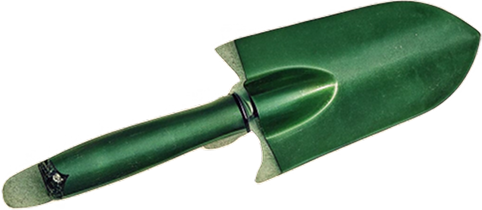
Basic Tools: Hand Trowel
Facilitates planting and maintenance.
Tracking Plants: Garden Labels
Monitor which plants are paired together.
Foundation: Healthy Seedlings
Ensure strong starts with quality seeds.
Want a more guided way to practice companion planting?
Frequently Asked Questions About Planting Companions in Your Garden
Which plants benefit most from being planted together?
Certain plants naturally support each other's growth and health. Classic pairings include tomatoes and basil, as basil can deter pests that frequent tomatoes, and carrots and onions, since onions repel carrot flies. Additionally, planting beans with corn allows beans to enrich the soil with nitrogen, improving corn health.
Can companion planting effectively control garden pests?
Yes, cultivating specific plants side-by-side can effectively reduce pests. Herbs like marigolds, mint, and rosemary help deter insects like aphids and beetles by producing scents that pests find unpleasant. Likewise, pairing fragrant herbs near vulnerable vegetables lowers pest attraction naturally.
Does planting together affect crop yields?
Planting complementary species side-by-side often results in improved yields. Certain plant combinations enhance nutrient uptake and reduce competition for soil resources, resulting in healthier plants and increased productivity. For instance, growing lettuce with tall-growing vegetables, such as peppers or eggplants, provides shade that prevents lettuce from bolting prematurely in hot temperatures.
How close should companion plants be positioned?
The ideal spacing depends on the plant types involved. Typically, herbs and vegetables planted close enough to share root zones and leaf canopies yield optimal results. A good guideline is to maintain spacing of around 6-12 inches (15-30 cm) between herbs and vegetables, allowing them to benefit mutually yet prevent overcrowding.
Are there plant combinations that should be avoided?
Some plants negatively influence each other's growth. Avoid planting potatoes near tomatoes or peppers, as these related plants share similar diseases and pests. Additionally, beans and onions typically grow poorly side-by-side, because onions inhibit the nitrogen-fixing bacteria beneficial to beans.
Does planting certain herbs nearby enhance vegetable flavor?
Yes, certain herbs grown nearby can subtly enhance vegetable flavors due to aromatic oils released by herbs. An exemplary partnership is planting basil near tomatoes; basil's aromatic compounds can enrich the taste of ripening tomatoes over time.
Can companion planting attract beneficial insects?
Planting combinations that include herbs and flowering plants can effectively entice beneficial insects, such as bees, ladybugs, and lacewings. Flowers such as nasturtiums, dill, and calendula attract pollinators and predatory insects that manage pests naturally, promoting garden health and productivity.
Conclusion
Companion Planting isn’t some old wives’ tale: it’s a strategy that works, plain and simple. Pairing the right plants keeps pests guessing, pulls in pollinators, and gives your soil a break. Toss nitrogen-fixing plants like beans in with your heavy feeders, and you’ll see the difference in leaf color and vigor. Keep an eye on your beds, and don’t be afraid to experiment; every garden has its own quirks. If your plants still struggle, check out these common issues. In the end, companion planting means working with nature, not against it. That’s where the real magic happens: less fuss, more flavor, and a garden that almost takes care of itself.