Plant Death: Causes and Fixes for Failing Vegetable Gardens
Plant Death
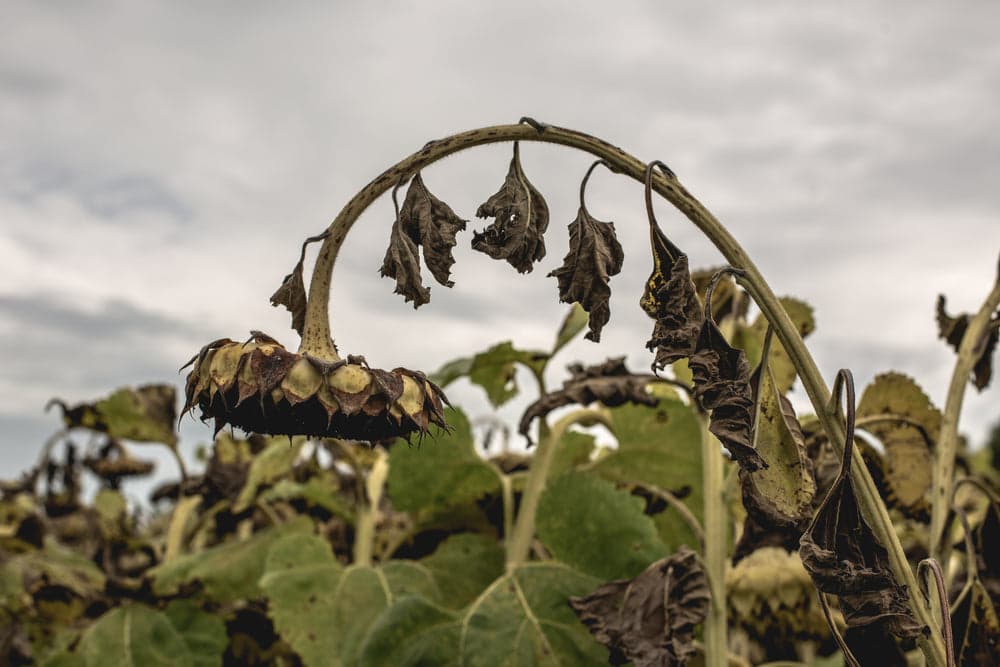
f you're witnessing plant death among your vegetables, check your soil drainage, scan for sneaky pests, and ease up on watering schedules. Many gardeners mistake wilted foliage for thirst; ironically, roots often drown from kindness. Understanding why your veggies wilt, yellow, or collapse can revive your garden and keep your dinner plate vibrant: let's uncover what's killing your plants and bring them back to life.
Table of Contents7 sections
Why Your Vegetables Are Dying: Common Issues & Practical Fixes
- 1
Avoid drowning plant roots
Too much moisture drowns plant roots, so water deeply once or twice weekly and let soil dry slightly.
- 2
Prevent underwatered, crispy plants
Wilted leaves and dry soil signal neglect; establish consistent watering and mulch garden beds deeply with straw or leaf mulch.
- 3
Feed poor, malnourished soil
Stunted growth and pale foliage improve when you amend beds with rich compost and organic fertilizers like fish meal.
- 4
Control pests and diseases early
Holes in leaves and moldy spots mean it’s time to scout regularly, handpick pests, and use neem or soap sprays.
- 5
Increase sunlight for leggy crops
Leggy stems and poor fruiting improve when sun-seeking crops get at least 6-8 hours of direct sun daily.
- 6
Protect plants from temperature extremes
Spotted or blackened leaves after frost call for cold frames, row covers, shade cloth, and adequate watering during heat spells.
One morning last summer, I strolled out to my raised beds with a fresh cup of coffee, anticipating the sight of plush zucchini leaves soaking in the sun. Instead, tragedy: yellowing foliage and dreadful wilt announced a familiar foe: plant death.
Let's unpack what may be killing your vegetable plants and find straightforward remedies to revive your garden's vitality.
I'll confess, early in my gardening days, I overwatered mercilessly. The logic seemed solid: plants need water, right?
Turns out, too much moisture drowns plant roots, suffocating them from necessary oxygen.
On the flip side, neglect leaves veggies parched and gasping. Last August, when temperatures hit 95°F (35°C), my tomatoes shriveled almost overnight.
Plants draw life directly from your soil; poor soil means poor growth and eventual demise. I once watched beet seedlings stall at three inches (7.5 cm): a classic sign of malnutrition.
Aphids, caterpillars, fungal diseases: each season, nature tosses me a new challenge. One year, cucumber beetles devoured my cucumbers overnight, teaching me the value of vigilance.
Shade-loving veggies like spinach have their merits, but most vegetables crave at least six hours of direct sunlight daily. I once tried to outsmart nature, planting peppers under partial shade: the result were sad, leggy plants.
Extreme heat or cold can swiftly end a promising garden season. Last fall, an unexpected frost dropped temperatures to 28°F (-2°C), swiftly ending my quest for late-season basil pesto.
Understanding common causes behind vegetable plant death equips you with practical solutions and fewer garden tragedies. Learn from your mistakes: I've had plenty: and your gardening skills will flourish alongside your veggies.
- Symptoms: yellow leaves, mushy stems, root rot.
- Solution: Water deeply once or twice weekly, letting soil dry slightly between soakings. Stick your finger two inches (5 cm) into the soil: feel moisture? Wait a day or two before watering again.
- Symptoms: wilted leaves, crispy edges, dry soil.
- Solution: Establish routine, consistent watering and mulching garden beds deeply. I now layer three inches (7.5 cm) of straw or leaf mulch around plants: it locks in moisture beautifully.
- Symptoms: stunted growth, pale or discolored foliage, low yields.
- Solution: Amend your garden beds with rich compost annually, supplement periodically with organic fertilizers like fish meal or seaweed extract. Healthy, nourished soil prevents nutrient starvation before it's too late.
- Symptoms: holes in leaves, visible insects, moldy spots, browned leaf margins.
- Solution: Scout your garden regularly, handpick pests early, apply organic treatments like neem oil or soap sprays judiciously. For fungal issues, prune infected foliage immediately and practice crop rotation annually.
- Symptoms: leggy stems, thin leaves, poor fruiting.
- Solution: Move sun-seeking crops to brighter spots or prune nearby branches to maximize sunlight exposure, ensuring at least 6-8 hours of direct sun daily.
- Symptoms: spotted or blackened leaves, wilted plants overnight.
- Solution: Know your area's frost dates. Use cold frames or floating row covers to extend seasons; shade cloth and adequate watering mitigate heat stress during blistering summer spells.
Cheatsheet: Spot & Fix Veggie Patch Losses Fast
Overwatering Signs
Look for root rot, yellow leaves, and fungus gnats. Adjust watering schedule.
Underwatering Clues
Notice wilting and crispy leaves. Establish consistent watering routine.
Poor Drainage Indicators
Identify stunted roots and sour smell; improve soil drainage by loosening soil or raising beds.
Pest Alerts
Check for chewed leaves, holes, and sticky residue. Remove manually or with neem oil.
Disease Symptoms
Look for spots, mildew, and misshapen fruit. Prune and apply organic treatments.
Nutrient Deficiency Markers
Observe pale leaves and slow growth. Apply compost and organic fertilizers regularly.
Light & Temperature Issues
Identify leggy growth due to low light or scorched leaves from excessive sun. Relocate as needed.
Proper Spacing Benefits
Ensure adequate space for airflow; follow seed packet guidelines.
Want a more guided way to practice plant death?
Frequently Asked Questions about Preventing and Addressing Plant Death in Your Vegetable Garden
Why are vegetable leaves turning yellow, and what action is required?
Yellowing leaves typically signal nutrient deficiency, overwatering, or inadequate drainage. First, inspect soil moisture levels and ensure proper drainage. Next, apply an organic fertilizer rich in nitrogen if nutrient depletion seems evident. Regularly check soil conditions to restore healthy growth and prevent further plant death.
What causes seedlings to wilt soon after sprouting?
Wilting seedlings usually indicate a problem known as damping-off disease, a fungal issue triggered by overly wet conditions or excessive humidity. Adjust watering practices by maintaining moist but not saturated soil and improving airflow around seedlings. Use sterile seed-starting mixes and containers to effectively prevent this frequent cause of early plant death.
Can excessive heat be responsible for dying vegetable plants?
Yes, extreme heat significantly stresses vegetable plants, leading to rapid wilting and eventual plant death. Temperatures above 90°F (32°C) can severely disrupt normal plant functions. Apply mulch generously, install shade cloth to moderate temperature extremes, and provide consistent, deep watering early morning or late evening to counteract heat-induced stress.
How does improper spacing between vegetable plants influence plant health?
Inadequate spacing between plants limits airflow, raises humidity, and escalates competition for nutrients, sunlight, and water. These conditions promote diseases and pests, ultimately resulting in declining health and increased plant death. Maintain recommended spacing guidelines found on seed packets or plant labels, promoting stronger, healthier vegetable growth.
Are pests directly responsible for plant death in vegetable gardens?
Pests including aphids, caterpillars, and beetles actively consume plant tissues and transmit diseases, significantly weakening plants and potentially causing plant death. Vigilantly monitor plants, encourage beneficial insects by planting companion flowers, and address infestations promptly using organic or natural pest control methods to safeguard your vegetable crops.
Does inconsistent watering lead to plant death?
Inconsistent watering stresses plant roots and destabilizes growth, often resulting in chronic dehydration or waterlogging, causing eventual plant death. Establish a routine watering schedule adapted to your climate, ensuring moist but well-drained soil. Typically, vegetables require approximately 1-2 inches (2.5-5 cm) of water weekly, ideally divided into two or three deep watering sessions.
How can fungal and bacterial diseases be minimized to prevent plant death?
Fungal and bacterial diseases flourish under humid or crowded conditions. To minimize these infections, space plants properly, prune affected areas promptly, sterilize garden tools regularly, water at soil level rather than overhead, and avoid handling plants when wet. Applying preventive organic fungicides or bactericides can further decrease disease risks and reduce plant death.
Conclusion
Plant Death isn’t a mystery: it's a message. Your garden talks, and sometimes it screams. Too much water, not enough sun, starving roots, or a soil that’s lost its soul: these are the usual suspects. Pay attention to soil health, rotate crops, and don’t forget the power of companion planting to keep pests and disease in check. If you’re watching your tomatoes wilt or your beans go yellow, check for root rot, nutrient gaps, or overzealous watering. Sometimes, it’s just the life cycle running its course: plants aren’t meant to last forever. But with sharp observation and a willingness to adapt, you can turn plant death into a lesson, not a loss. Keep your tools clean, your soil alive, and your eyes open. The reward? A garden that keeps giving, season after season.


