How to Grow Fruits

Plant Fruit Trees in full sun—6–8 hours daily—in well‑drained soil, pH 6.0–7.0. Space Fruit Trees to match mature spread; keep graft unions above soil, mulch 2–3 inches, and water deeply, 1–2 inches weekly. Choose Fruit Trees by chill hours and pollination needs—apples require partners, peaches often self-fertile. From first bloom to that snap of ripe skin, this guide shows what to plant, prune, and feed for real flavor.
Fruit Trees: Site, Light, and Soil
I plant Fruit Trees where they get full sun for 8 hours, because sugar comes from sunlight and airflow keeps foliage dry. I also hedge the wind with hedgerows so blossoms do not shred in spring squalls.
Good soil grows roots first and fruit later. I aim for a loamy texture that drains in 24 to 48 hours, then tune pH to suit the crop.
Quick soil and drainage checks
- Dig a 12 inch by 12 inch by 12 inch hole, fill with water twice, then time the second drain. If water lingers beyond 48 hours, improve drainage or use a mound 8 to 12 inches high.
- Target pH ranges: apples, pears, cherries 6.0 to 7.0, peaches and plums 6.0 to 6.5, citrus 6.0 to 7.5. I soil test every 2 to 3 years.
Climate fit and chill hours
Fruit Trees sleep through winter and count cool time as “chill hours.” Variety choice lives or dies on this fit.
“Many apples need roughly 600 to 1,000 hours under 45 F 7 C” — UC Agriculture and Natural Resources
I match varieties to my site’s chill profile, then watch late frost risk. I have seen a warm March tease open blooms, then a 27 F minus 3 C night erase a year of apples.
“At full bloom, many tree fruit blossoms are damaged near 28 F minus 2 C” — Utah State University Extension
Choosing rootstocks and cultivars
Rootstock decides size, precocity, anchorage, and disease tolerance. Cultivar decides flavor, season, texture, and resistance on top.
Rootstock cheat sheet
- Apple dwarf M.9 or G.41: 8 to 10 feet 2.5 to 3 m tall, fruit in 2 to 3 years, needs staking, great for small yards and espaliers.
- Apple semi-dwarf M.26 or G.935: 10 to 14 feet 3 to 4.3 m, balanced vigor, earlier crops, easier ladder work.
- Apple MM.111 or standard seedling: 16 to 25 feet 5 to 7.6 m, deep roots, widest spacing, long life.
- Pear OHxF 87 or 97: reliable size control and fire blight tolerance per Oregon State and Cornell trials.
- Peach and nectarine on Nemaguard or Lovell: solid vigor on many soils, with nematode tolerance for Nemaguard.
- Cherry Gisela 5 or 6: compact trees with earlier bearing, better for nets and birds.
Pollination made easy
- Self-fertile: peach, nectarine, apricot, sour cherry, many plums, some apples such as ‘Golden Delicious’ can act as pollinizers.
- Needs a partner: most apples, European pears, and sweet cherries. Bloom windows must overlap within about 7 to 10 days.
- Plant partners 15 to 50 feet 4.5 to 15 m apart. I also graft a pollinizer limb onto tight plantings.
Disease resistance pays back
- Apples: ‘Liberty’ and ‘Enterprise’ show strong scab resistance with fire blight tolerance per Cornell recommendations.
- Pears: ‘Harrow Sweet’ for fire blight tolerance from Canadian breeding.
- Peaches: ‘Frost’ for leaf curl tolerance noted by Pacific Northwest trials.
Planting Fruit Trees: bare-root vs container
Bare-root trees ship dormant in late winter and cost less, often half the price of potted trees. They establish quickly because roots are field-grown and uncoiled.
Container trees extend the planting window and show instant growth. I inspect for circling roots and comb them out before planting.
My step-by-step planting method
- Soak bare-root trees 2 to 4 hours before planting, keep roots shaded.
- Dig a hole twice as wide as the roots, the same depth as the nursery line, and roughen the sides for root penetration.
- Set the graft union 2 to 3 inches 5 to 7.5 cm above soil grade to prevent scion rooting.
- Backfill native soil only, water to settle, then mulch 3 to 4 inches 7.5 to 10 cm thick, pulled 4 inches 10 cm away from the trunk.
- Stake dwarfs for 2 to 3 years. I tie with soft, wide material that does not girdle.
Training and pruning for structure and fruit
Strong scaffolds carry heavy crops without tearing. I pick a training system that fits the species and space.
Systems that work
- Central leader for apples and pears: single trunk, tiers of 3 to 4 well-spaced branches, 8 to 10 inch 20 to 25 cm vertical spacing.
- Open center for peaches, nectarines, apricots, and many plums: 3 to 4 main limbs, bowl shape, sun in the middle.
- Espalier or cordon for tight fences: fruiting spurs along flat planes are easy to prune and net.
Winter pruning drives growth, summer pruning calms vigor. I avoid pruning stone fruit in wet weather to limit canker and Eutypa.
Water and nutrition
Young Fruit Trees drink deep and infrequent, then coast. I target about 1 inch 2.5 cm of water per week in mild weather, up to 2 inches 5 cm during heat, using drip at 1 to 2 gallons 3.8 to 7.6 liters per hour emitters.
Fertilizer follows tests, not hunches. A soil or leaf analysis guides nitrogen and micronutrients, and I split nitrogen into two light feeds in spring to avoid pushy growth that invites pests.
Simple feeding rules I live by
- Do not fertilize at planting, just mulch and water.
- Keep mulch off the trunk, and renew it yearly to 3 inches 7.5 cm.
- Compost is great for soil life, but I still test for pH and potassium and calcium.
Crop load, thinning, and biennial tendency
Too much fruit makes small, bland yields and breaks limbs. I thin hard for flavor and annual production.
- Apples: one fruit per cluster, fruits 6 inches 15 cm apart.
- Peaches and nectarines: one fruit every 6 to 8 inches 15 to 20 cm, per Penn State Extension.
- Pears: one or two fruits per spur, spaced 6 inches 15 cm.
If a tree alternates heavy and light years, I thin earlier the heavy year, then summer prune a little to balance vigor. It works better than any prayer I know.
Integrated pest management that actually works
I scout weekly, act early, and use the gentlest effective tactic first. Clean orchard floors, prune for light, and pick up mummies, because sanitation cuts disease pressure sharply.
- Codling moth on apples and pears: pheromone traps to time sprays, bagging fruit, and kaolin clay films. Mating disruption reduces pressure across a block.
- Peach leaf curl: plant tolerant cultivars and apply a dormant copper or chlorothalonil spray before bud swell per UC and PNW guides.
- Fire blight: avoid high nitrogen, prune strikes 8 to 12 inches 20 to 30 cm below infection, and choose resistant varieties.
- Cherry birds: netting beats any scare tactic. I hang the net before color shows.
- Gophers and voles: baskets at planting and trunk guards, plus mow alleys short to remove cover.
Harvest cues and storage
Apples lift cleanly with an upward roll when seeds turn brown and starch clears, then store at 32 to 38 F 0 to 3 C with high humidity. Pears pick firm at the right size and ripen on the counter to avoid gritty cores.
Peaches taste ready before they look perfect. I wait for full aroma and a background color that shifts from green to creamy yellow, then chill at 36 to 40 F 2 to 4 C if needed for short holding.
Containers and small spaces
Dwarf Fruit Trees thrive in 15 to 25 gallon 57 to 95 liter containers with a gritty mix and monthly feeding during growth. Columnar apples and pixie citrus keep patios productive without a ladder.
Root pruning every 3 years keeps vigor in check. I replace one third of the mix and refresh mulch each spring.
Top 10 Fruit Trees for home growers
- Apple ‘Liberty’ on G.41: crisp, disease resistant, heavy spur producer.
- Apple ‘GoldRush’ on M.26: late keeper with high acid-sweet balance and long storage.
- Asian pear ‘Shinseiki’ on OHxF 87: juicy, early, reliable pollen partner.
- European pear ‘Harrow Sweet’ on OHxF 87: fire blight tolerance with rich flavor.
- Peach ‘Contender’ on Lovell: cold hardy with floral aromatics and steady crops.
- Nectarine ‘Arctic Star’ on Nemaguard: low chill and vivid sugar for warm zones.
- Plum ‘Santa Rosa’: classic flavor, handles open center training well.
- Sour cherry ‘Montmorency’ on Mahaleb: self-fertile pies, easy to net.
- Sweet cherry ‘Lapins’ on Gisela 5: self-fertile and compact, great for small yards.
- Fig ‘Violette de Bordeaux’: technically a small tree, sets two crops in heat, zero pollination fuss.
Yields, spacing, and time to fruit
Dwarf apple trees often bear in year 2 to 3 and yield about 30 to 120 pounds 14 to 54 kg per tree once mature, per Washington State and Midwest extension ranges. Semi-dwarf apples reach 100 to 200 pounds 45 to 91 kg, with wider spacing and stronger limbs.
- Spacing guide: dwarf apples and pears 8 to 10 feet 2.5 to 3 m, semi-dwarf 12 to 15 feet 3.5 to 4.5 m, peaches 12 to 15 feet 3.5 to 4.5 m, cherries on dwarf 10 to 12 feet 3 to 3.7 m.
Buying guide, timing, and cost
I order bare-root Fruit Trees from reputable nurseries in late fall for winter delivery. Bare-root costs often run 25 to 45 USD 24 to 43 EUR per tree, while container trees run 45 to 90 USD 43 to 86 EUR.
Ask for rootstock, chill requirement, bloom group, and disease notes. Good nurseries label all four and ship with pruning and planting instructions.
Seasonal calendar I use
- Winter: plant bare-root, dormant spray if needed, prune structure, repair stakes and ties.
- Spring: frost protection with covers or sprinklers, thin fruit early, hang pheromone traps, feed lightly.
- Summer: irrigate deep, summer prune for light and height control, bag fruit or net cherries, scout weekly.
- Fall: harvest, store, rake leaves, remove mummies, soil test and plan amendments.
Field notes and hard-won lessons
I have watched a standard apple split under a bumper crop, which taught me to thin like a merciless chef trimming fat. I have also tasted a backyard ‘GoldRush’ in January that snapped like a cider apple and paid for every careful cut.
Fruit Trees reward patience and small, timely moves. I keep the saw sharp, the soil alive, and the canopy open, then let the sun finish the work.
Stats and sources that guide my practice
“Many apples need roughly 600 to 1,000 hours under 45 F 7 C” — UC Agriculture and Natural Resources
“At full bloom, many tree fruit blossoms are damaged near 28 F minus 2 C” — Utah State University Extension
“Thin peaches to one fruit every 6 to 8 inches 15 to 20 cm” — Penn State Extension
I lean on research from UC ANR, Washington State University, Cornell, Oregon State, and RHS for variety behavior, pruning timing, and spray thresholds. Field notes fill the gaps between charts and weather that refuses to follow the script.
Plants

Growing Mulberry Bushes for Sweet Backyard Harvests
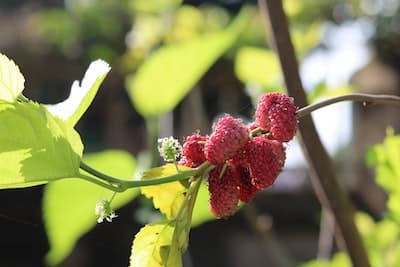
Growing mulberry lets you snag juicy, sun-warmed berries straight off your own tree. Hardy and unfussy, growing mulberry requires full sun, decent drainage, and enough room to branch out. From sweet pies to backyard shade, growing mulberry rewards patience with delicious bounty—keep reading for simple tips on planting, care, and harvesting your own mulberry bushes.

Growing Bilberry: A Gardener’s Guide to Healthy Harvests
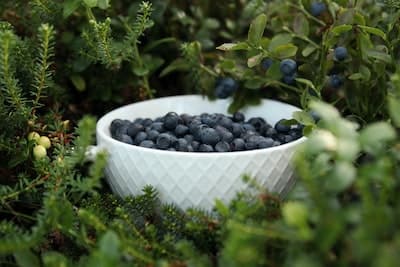
Growing bilberry rewards gardeners with tart, flavorful berries and a shrub that thrives in acidic, well-drained soil. Choose partial shade and keep soil consistently moist—bilberries loathe dryness. Prune lightly each spring to promote healthy growth and abundant summer fruit; follow our guide and you'll master the subtle art of growing bilberry in your own backyard.

Growing Strawberry Plants for Luscious Homegrown Berries
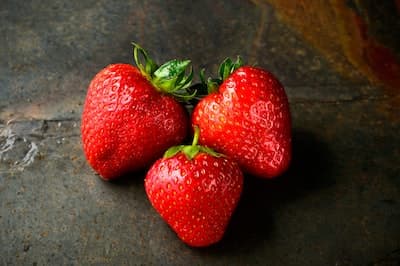
Growing strawberry plants rewards attentive gardeners with flavorful berries, whether planting them directly into fertile soil or pots with ample drainage. Begin growing strawberry varieties suited to your climate, choose a sunlit corner, enrich it with organic compost, and water consistently to encourage lush production. Understanding pruning techniques and picking ripe fruit at its aromatic peak will give you luscious homegrown berries worth savoring—read on to master simple methods for growing strawberry abundance.

Growing Sapote: How to Cultivate and Enjoy This Sweet Fruit
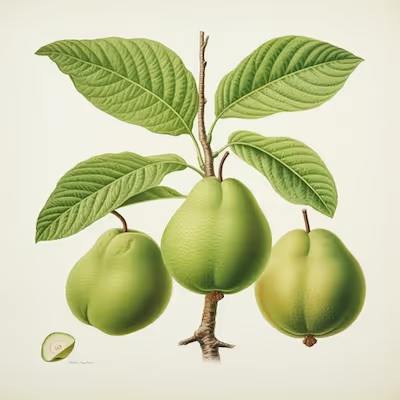
Growing sapote rewards patience with lush foliage and deliciously exotic fruit. Thrive they will, if you plant sapote trees in well-draining soil, full sun, and consistently warm temperatures. Fertilize moderately and water regularly, and soon you'll harvest ripe sapotes brimming with flavor. Explore this comprehensive guide and cultivate your own slice of paradise.

Growing Schisandra Vine for Exotic, Eye-Catching Foliage
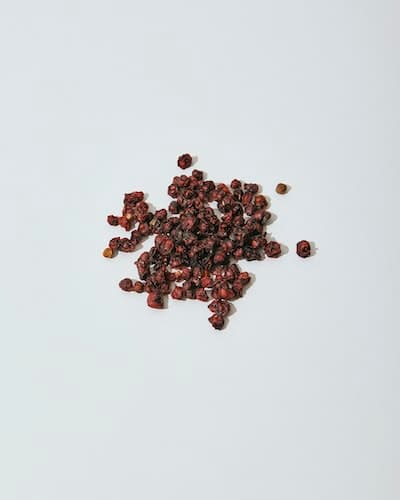
If you're craving a vine that delivers visual drama and conversation-starting foliage, consider growing Schisandra vine. This hardy climber thrives in partial shade, tolerates cold down to zone 4, and produces vibrant red berries prized in herbal tonics. Growing Schisandra vine rewards patience with lush, textured leaves and intriguing aromatic fruit, inspiring curiosity from any garden visitor.

Growing Medlar Trees: A Gardener's Guide to Success
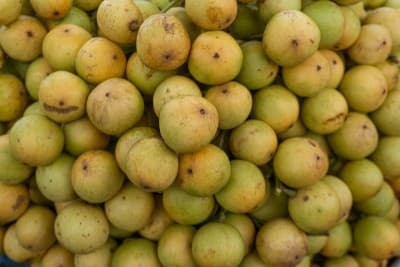
Growing medlar puts an ancient, quirky fruit tree in your own backyard, producing unusual fruits that thrive without fuss. Growing medlar requires full sun, well-drained loamy soil, and patience—fruit ripens after a touch of frost. Read on, plant confidently, and savor a medieval treat revived for modern gardeners.

Growing Loquat: How to Grow Sweet Fruit in Your Home Garden
Growing loquat takes patience, decent sunlight, and rich, well-drained soil—master these three elements and you'll pick sweet, golden fruits off your own tree. While loquats prefer mild climates, careful planting in sunny spots sheltered from harsh winds improves your odds even in temperate zones. Hungry for fresh fruit steps from your kitchen? Here's how to turn your backyard into a loquat paradise.

Growing Apricot Trees for a Healthy and Abundant Harvest
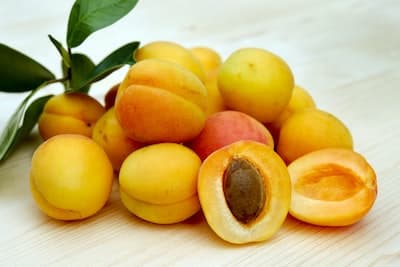
Growing apricot trees rewards patience with flavorful fruit and vibrant blossoms. Choose a sunny, sheltered spot with well-drained soil to give your apricot sapling a strong start. Prune annually during dormancy to promote air circulation and abundant harvests—read on to cultivate luscious apricots right outside your door.

Growing Goji Berry for Health, Beauty, and Garden Appeal
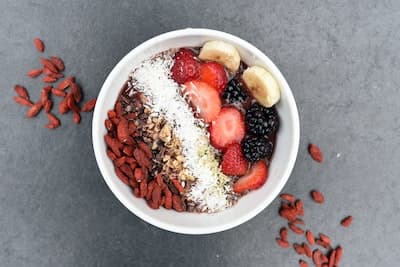
Growing Goji Berry at home starts with choosing a sunny spot, sandy soil, and regular pruning. Originally from Asia, this resilient shrub thrives where summers blaze and winters bite. Packed with vitamins and antioxidants, cultivating your own goji berry plants grants you fresh snacks and flavorful additions to dishes—read on for practical tips to make your harvest happen.

Growing Tiger Nut: How to Plant, Care, and Harvest at Home
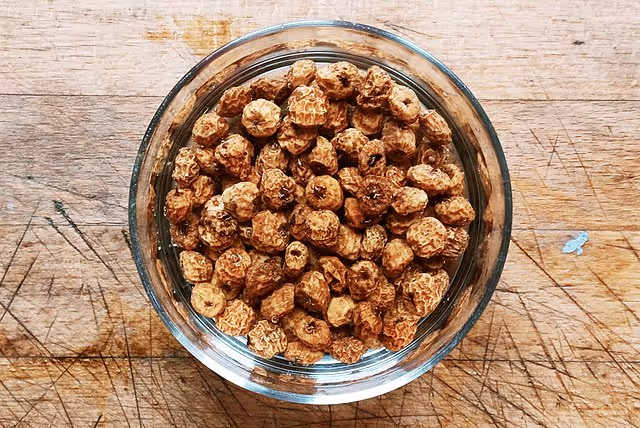
Growing tiger nut rewards gardeners who savor earthy flavors and low-maintenance planting. Start by soaking these sweet, nutty-flavored tubers overnight, then plant directly into warm, well-drained soil once frost retreats. Consistent watering through summer and patience for about four months yields clusters of crunchy, fiber-rich tiger nuts—a perfect snack or creamy horchata base you'll soon wonder how you gardened without.

Growing Cantaloupes: Expert Tips for a Juicy Harvest
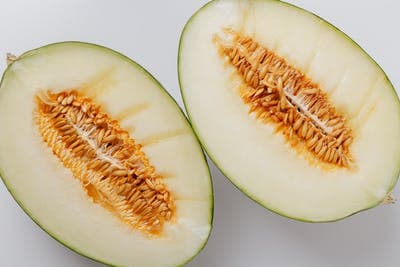
Growing cantaloupes starts best in warm soil—wait until temperatures hit 70°F before planting cantaloupe seeds outdoors. Choose a site with full sun and plant seeds about one inch deep, spacing them 18 to 24 inches apart for hearty growth. For maximum flavor and juicy fruit, enrich your soil well—read on to master the art of cultivating sweet cantaloupes from vine to table.

Growing Plantain: Simple Care Tips for Healthy Plants
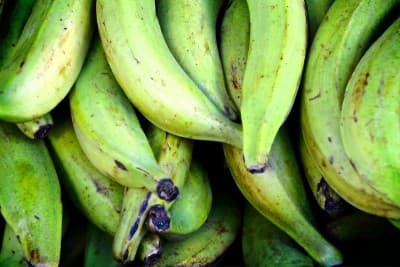
Growing plantain demands sun-drizzled spots, rich, loamy soil, and generous watering. Plant plantain pups 12 feet apart, mulch deeply to lock moisture, and feed generously with compost for lush results. Stay attentive—these vigorous growers reward your patience with broad leaves and abundant fruit. Curious about coaxing plantains to flourish? Keep reading.

Growing Carob at Home: How to Grow and Care for Carob Trees
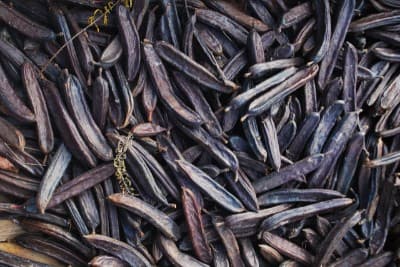
Growing carob starts with soaking fresh seeds overnight, followed by planting them in sandy, well-drained soil. Provide full sun and minimal water—carob thrives in dry conditions similar to Mediterranean climates. With patience and simple care, you'll soon savor the satisfying sweetness of your homegrown carob pods; read on for easy tips to make it happen.

Growing Burmese Grape at Home: A Simple Step-by-Step Guide
Growing Burmese grape at home starts with choosing sunlit, well-draining soil to plant your seedlings. To thrive, these fruit-bearing beauties require regular watering and organic fertilizer. Follow these straightforward steps, and you'll soon savor the sweet-tart reward of your own Baccaurea ramiflora—a taste of tropical adventure waiting right in your backyard.

Growing Indigo Rose Cherry Tomatoes: A Gardener's Guide
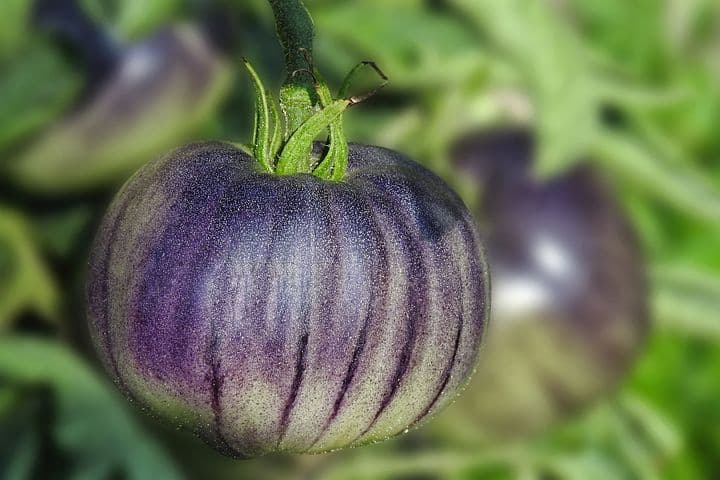
Growing Indigo Rose Cherry Tomatoes kicks off with full sun, fertile soil, and steady watering. Start seeds indoors six weeks before frost clears, transplant deeply after risks pass, and stake early since plants climb vigorously. Indigo Rose, a striking purple-black tomato, rewards gardeners generously—keep reading for harvesting advice, feeding secrets, and pro tips that coax peak flavor from every picking.