How to Grow Legumes

Plant Legumes at the right window—peas before last frost, beans after; sow 1–2 inches deep with Rhizobium. Rotate Legumes yearly, space rows for airflow, pick pods young, and mulch to steady moisture. Stick with me and we’ll turn beans, peas, and lentils into the backbone of your beds.
Legumes: how I grow them for flavor, fertility, and sanity
I grow Legumes for the plate and for the soil, in equal measure. They feed you, then quietly feed everything else.
Soil first: structure, pH, and tilth
Rhizobium bacteria need air in the soil, so I target crumbly structure with 3 to 5 percent organic matter. A pH of 6.0 to 7.0 keeps nodulation humming, and I lime acidic beds the fall before planting.
I avoid high nitrogen starters that make plants lazy. A light pre-plant dose of phosphorus and potassium keeps roots and pods rolling.
Nodulation made simple
Inoculation is cheap insurance, and crop-group specific. I dust seed with the right strain, then sow while the seed is tacky so the peat sticks.
At first bloom I slice a nodule open to check the color. Pink means active nitrogen fixation, white or green means stalled biology and I revisit pH, compaction, and watering.
FAO reports that pulse crops can fix 20 to 200 kg nitrogen per hectare each season, cutting fertilizer needs while improving soil health. Source: FAO, “Pulses and nitrogen fixation,” 2016.
Sowing windows and soil temperatures
- Peas: 40 to 75 F soil, 4 to 24 C. I sow 4 weeks before last frost and again for fall.
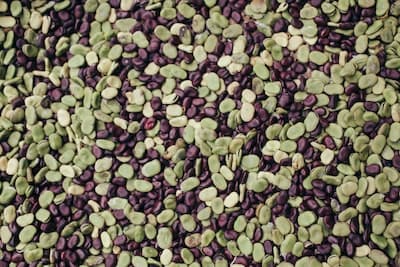
- Favas: 40 to 70 F, 4 to 21 C. Best in cool spring or fall.
- Snap and dry beans: 60 to 95 F, 16 to 35 C. I wait until the soil feels warm on the wrist.
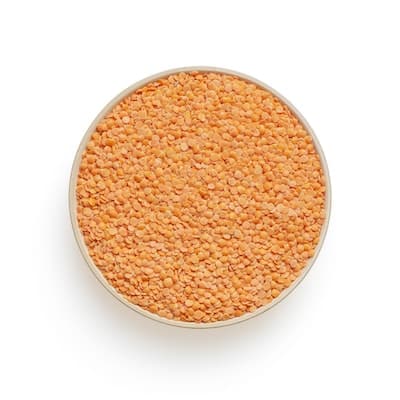
- Chickpeas and lentils: 50 to 85 F, 10 to 29 C. Early spring in light soil keeps them compact.
- Soybeans: 55 to 90 F, 13 to 32 C. Short-season types beat summer heat.
Depth, spacing, and rhythm
I plant peas 1 inch deep, 2.5 cm, at 2 inch spacing, 5 cm. Beans go 1 to 1.5 inches, 2.5 to 4 cm, at 3 to 6 inches, 7 to 15 cm.
Lentils and chickpeas ride shallow at 0.5 to 0.75 inch, 1.2 to 2 cm. I thin hard so air moves and mildew sulks.
Trellising that never lets me down
Peas climb 4 to 6 feet, 1.2 to 1.8 m. Pole beans top 6 to 8 feet, 1.8 to 2.4 m, so I lash cattle panel to T-posts and sleep easy on windy nights.
Netting saves time for peas, while stout poles suit scarlet runners and yardlongs. I keep the lower 6 inches, 15 cm, clear to limit slugs.
Watering for pod set
Even moisture wins. I run drip at 0.45 gph emitters, 1.7 lph, and water deeply once or twice weekly, bumping it during flowering and fill.
Mulch holds the swing steady, and it saves me in July heat. If leaves cup at noon, I water at dawn the next day.
Fertility: feed the microbes, not the leaves
I side-dress with a light compost band at bloom. Too much nitrogen gives vines and no pods, and I learned that the hard way one humid summer.
A pinch of molybdenum on very acidic soils can rescue weak nodulation. Most gardens never need it once pH is right.
Varieties that earn their row
- Peas: ‘Sugar Snap’ for sweet crunch, ‘Cascadia’ for compact beds, ‘Tall Telephone’ for flavor.
- Pole beans: ‘Fortex’ for filet length, ‘Rattlesnake’ for heat tolerance, ‘Blue Lake Pole’ for reliable yield.
- Bush beans: ‘Provider’ for cold soil starts, ‘Roma II’ for meaty pods.
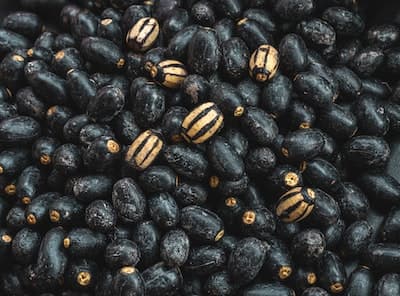
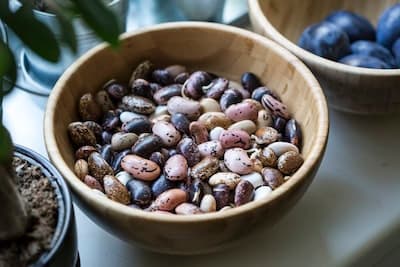
- Dry beans: ‘King of the Early’ for short seasons, ‘Jacob’s Cattle’ for stew, ‘Black Turtle’ for standby storage.
- Lentils: Small-seeded types fill quickest in home plots. Choose local-bred lines for disease resistance.
- Chickpeas: Desi types handle stress better than Kabuli where summers run hot and dry.
- Favas: ‘Aquadulce Claudia’ for cool springs. I pick them green, then let a few dry for winter soups.
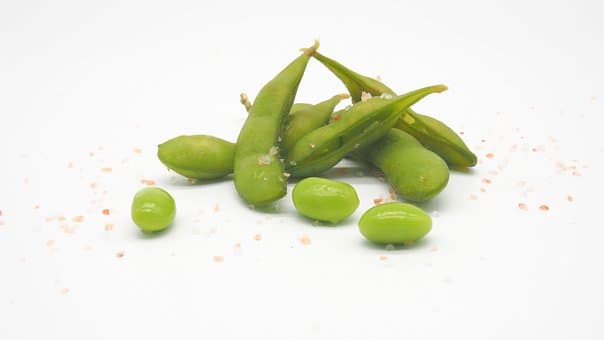
- Soybeans: ‘Hakucho’ and ‘Envy’ for fast edamame in short summers.
Pollination, heat, and flower drop
Peas and beans self-pollinate, yet extreme heat still strips blossoms. Above 95 F, 35 C, my beans rest, then rebound once nights cool below 70 F, 21 C.
Favas invite bees and hoverflies, and I space rows wider to give pollinators a clear lane. That tweak alone doubled my pod count one spring.
Pests, diseases, and clean culture
- Aphids: I blast with water, then release lacewings if the colony rebounds. Reflective mulch helps in hot spells.
- Mexican bean beetles: Yellow eggs under leaves go in the bucket. Row cover early, then remove at bloom.
- Cutworms: Collars at transplant time for soy. Tidy weeds before planting to starve them out.
- Root rots and anthracnose: Rotate 3 to 4 years, keep foliage dry with drip, and avoid working wet plants.
- Mosaic viruses: Seed from reliable sources, cull suspect plants fast, and keep aphids in check.
Harvest cues I trust
Snap beans taste best before seed swell. Peas snap rather than bend when ready, and the sugars fade within hours, so I chill them quick.
Shellies get picked when seeds fill the pod but before skins toughen. Dry beans and chickpeas wait until pods turn parchment, then I cut whole plants and finish drying on racks.
Drying, storage, and cooking quality
I aim for 12 percent seed moisture for storage. Beans bite the tooth, not the fingernail, when dry enough, or I use a cheap moisture meter.
Stored in glass with a desiccant, they hold 18 months in my pantry. The flavor punches above supermarket stock.
Seed saving without drama
Peas and beans self quite well. I rogue off-types early, then save from at least 20 plants to keep vigor.
Favas cross by insects. I separate varieties by 50 feet, 15 m, or bag a few flower clusters for pure seed.
Cover cropping with Legumes
I rely on field peas, hairy vetch, and crimson clover as living mulch. Sown late summer, they tie up free nitrogen and hold soil over winter.
I mow at early bloom before seed sets, then tarps or compost finish the breakdown. The following crop comes up hungry and happy.
RHS notes that many Legumes leave 20 to 60 kg nitrogen per hectare available to the next crop after harvest, depending on residue handling. Source: Royal Horticultural Society, Legumes advice page.
Rotation and nitrogen budgeting
I place heavy feeders after Legumes: brassicas, corn, leeks. A typical dry bean crop will fix plenty for itself and still leave a modest surplus if residues return to the bed.
Soil tests guide me. I watch cation exchange capacity and organic matter to keep the system balanced.
Common mistakes I stopped making
- Planting into cold, soggy beds that rot seed. I wait for a handful to crumble, not smear.
- Overfeeding nitrogen. Lush vines, empty pods, hard lesson.
- Skipping inoculant on new ground. It costs pocket change and pays back all season.
- Letting weeds get knee-high. Early, shallow hoeing saves hours later.
- Harvesting dry beans too late. One rain on mature pods, and sprouting starts inside the shell.
Buying guide: gear and supplies that earn their keep
- Inoculant by crop group: Pea and vetch group, bean group, soybean specific. Check expiration dates and refrigerate.
- Trellis: Heavy netting for peas, cattle panels for pole beans, plus T-posts and clips.
- Irrigation: 1 gph or 0.45 gph emitters with pressure regulation, 3 to 4 psi, and a simple filter.
- Soil testing: A reputable lab for pH, P, K, and micronutrients, plus a handheld pH meter for quick checks.
- Seeds: Choose region-bred lines from trusted suppliers, and look for disease resistance codes.
- Storage: Mesh racks for drying, food-grade buckets with gamma lids, and desiccant packs.
Quick answers to nagging questions
Yellow leaves midseason usually point to water stress or root disease, not lack of nitrogen. Check nodules before feeding.
Plants with blooms but no pods likely faced heat or drought during flowering. Cool the roots with mulch and keep moisture steady.
Beans with stringy pods sat too long. Pick every 2 to 3 days in peak season to keep vines producing.
Weak stands often trace back to seed depth in cold soil. Go shallower early, deeper once soils warm.
Anecdotes from messy, honest beds
One August my pole beans sulked until I laid a fresh straw mulch and cut water in half. The next week pods set like a switch flipped, and dinner tasted like relief.
I once skipped inoculant on a brand-new plot to test my luck. The nodules came up ghost-white, and yield paid the price.
Nutritional and culinary payoffs
Pulses carry protein, fiber, and minerals. USDA lists cooked lentils at about 18 grams of protein per cup, 198 g, which makes my winter soups pull their weight.
Fresh snap beans bring lutein and crisp texture. I blanch peas for 90 seconds, ice them hard, then freeze flat for bright green in February.
Sustainability angle that shows up in the bed
Legumes reduce synthetic nitrogen demand and greenhouse gas emissions from fertilizers. My rotations need fewer inputs each year, and that savings shows up on the seed bill.
Cover crop blends with a legume component boost soil aggregation within a season. Earthworms throw castings under the mulch like confetti.
Trusted references I lean on
- FAO, “Pulses and nitrogen fixation,” 2016. Clear overview of biological nitrogen fixation and agronomy.
- USDA ARS Pulse Crop Health guidelines. Practical disease and pest notes for peas, lentils, chickpeas.
- UC ANR Vegetable Research Center, bean production notes. Solid on irrigation thresholds and heat effects.
- Royal Horticultural Society, Legumes advice page. UK climate tips with tidy cultural practices.
- ATTRA Sustainable Agriculture, Legume cover crops. Straightforward rotation and N-credit tables.
Plants

Growing Edamame: How to Plant, Grow, and Harvest at Home
Growing edamame demands sun-drenched soil, steady warmth, and well-draining ground. Begin by planting edamame seeds directly outdoors once soil temperatures hover around 60°F; space them two inches apart in rows set roughly two feet apart. Keep beds consistently watered, ensuring at least an inch of moisture weekly, and within 10 weeks you'll be harvesting your own nutty, nutrient-rich pods. Hungry to learn more about cultivating this savory snack? Read on for simple, seasoned advice on growing edamame that tastes way better than store-bought.

Growing Chickpeas: Your Simple Step-by-Step Garden Guide
Growing chickpeas rewards gardeners who plant in full sun, well-drained soil, and cooler weather. Start by sowing chickpea seeds directly outdoors in early spring, spaced 3 to 4 inches apart and 1 inch deep. Keep the soil lightly moist, and in about 100 days, you'll harvest pods filled with nutritious, protein-rich beans ready for salads, hummus, or roasting. Read on for detailed steps on planting, watering, and harvesting your own delicious chickpeas.

Growing Black Beans for a Healthy and Flavorful Harvest
Growing black beans delivers tasty, protein-packed legumes straight from your garden to your plate. Start by planting them in warm, well-drained soil after the last frost, giving each seed enough room to stretch and thrive. With consistent watering and full sun, you'll soon reap baskets of glossy, nutrient-rich beans—keep reading to learn simple tips for a bountiful crop.

Growing Azuki Beans: A Simple Guide for Healthy Harvests
Growing Azuki Beans rewards gardeners with protein-rich legumes and enriches soil by fixing nitrogen. Sow these hardy beans directly outdoors after frost danger passes, plant them in full sun, and water moderately until established. Harvest arrives swiftly—within 90–120 days—offering vibrant beans celebrated in Asian dishes and desserts; read on to ensure your crop flourishes.

Growing Broccolini: How to Ensure a Healthy, Tasty Harvest
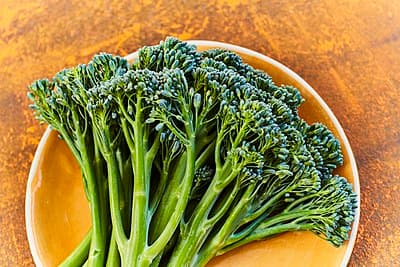
Growing broccolini brings crisp, flavorful rewards if you start by planting seeds directly into fertile, well-drained soil in early spring. Keep it thriving with steady moisture, partial sun, and regular feedings of nitrogen-rich fertilizer. Harvest stalks early and often—growing broccolini at home offers delicious, tender shoots far superior to store-bought varieties. Read on to master your broccolini crop, from seed to sauté pan.

Growing Pinto Beans at Home for Fresh, Flavorful Harvests
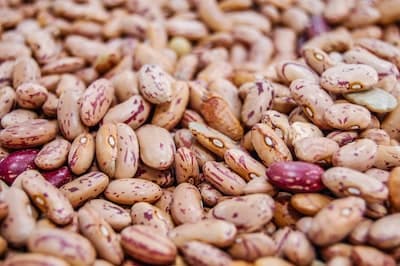
Growing pinto beans rewards your garden and palate with earthy, nutritious pods. Starting by soaking beans overnight, then planting them one inch deep in rich, well-drained soil ensures vigorous vines and abundant harvests. Growing pinto beans thrives best in sunny spots, so choose a warm corner to coax out their hearty flavor—read on for an easy step-by-step guide to homegrown goodness.

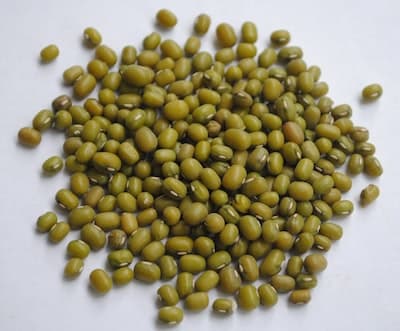
Growing Mung Beans: A Simple Guide for Healthy Harvests
Growing mung beans packs nutrition and flavor into minimal space, sprouting easily on a sunny windowsill or backyard plot. Quick to germinate, ready to harvest in weeks, and thriving even in novice care, growing mung beans rewards gardeners with fresh, crisp sprouts ideal for salads, stir-fries, or snacks. Discover below how simple steps, modest watering and straightforward tips can turn a handful of beans into an abundant edible crop.

Growing Lima Beans: Expert Advice for a Healthy, Abundant Crop
If growing lima beans sounds like a chore, reconsider—a sunny corner, loose soil, and 65–80°F weather are all you need. Growing lima beans rewards you handsomely, producing protein-rich legumes with minimal fuss. Get acquainted with pole or bush varieties, sow them directly after frost, and your backyard harvest will stir envy and appetite alike.

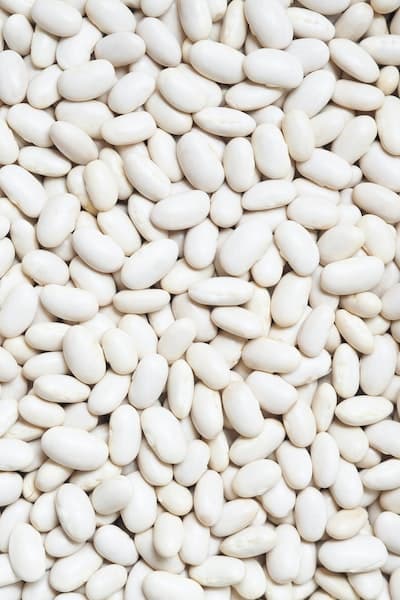
Growing Navy Beans: How to Plant, Grow, and Harvest at Home
Growing navy beans puts tasty protein and fiber on your table right from your backyard garden. These hardy legumes thrive in warm weather, full sun, and well-drained soil, rewarding your efforts with plentiful pods ready in around 90 days. With a bit of space and some simple care, growing navy beans gives you hearty harvests and homegrown flavor—read on to get started.

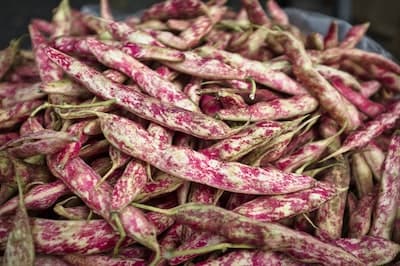
Growing Dragon Tongue Bush Beans: A Gardener's Simple Guide
Growing Dragon Tongue Bush Beans delivers crisp, strikingly patterned pods that elevate garden plots from ordinary to extraordinary. With full sun, well-draining soil, and consistent watering, you'll harvest tender beans in about 55 days. Plant seeds directly outdoors after frost danger passes—then savor harvesting beans with flavor as enticing as their exotic appearance. Read on to cultivate your own impressive crop.

Growing Lentils: How to Plant, Grow, and Harvest at Home
Growing lentils kicks off best in cooler seasons, thriving in loose, well-drained soil with steady sunlight. Timing seeds early spring gives plants room to sprout and mature before summer heat hits. With lower water demands and a satisfying harvest, growing lentils rewards gardeners with nutritious pods—curious? Grab your gloves, let's get planting.

Growing Kidney Beans: A Simple Guide for Healthy Harvests
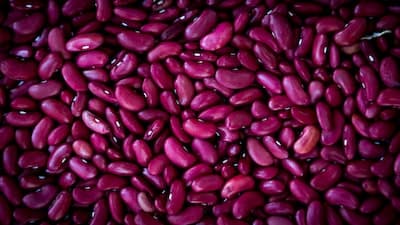
Growing kidney beans rewards you with hearty yields and vibrant pods if you sow seeds in well-draining, nutrient-rich soil after the season's last frost. Kidney beans adore sun-drenched garden plots, demanding at least six hours of direct sunlight daily to thrive. Time your planting smartly and take the guesswork out of cultivating this versatile bean—read on for simple gardening methods that guide you from planting to harvest.