
How to Grow Shrubs

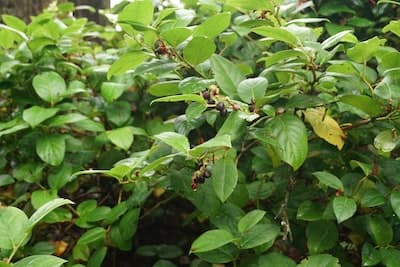
Green shrubs growing outdoors.

Shrubs thrive with 6-8 hours of sun, well-drained soil, and weekly deep watering. Plant Shrubs at root-ball depth, space 3-6 feet apart, and mulch 2-3 inches to lock moisture. Prune Shrubs after flowering or in late winter, and feed in spring with balanced, slow-release fertilizer. I'll share field-tested steps that keep them tough, tidy, and stunning all year.
Shrubs: planting with confidence and a little swagger

I plant Shrubs with the same care I give a good sauce: low heat, patience, no shortcuts. The soil tells me what it wants, then the plant tells me if I listened.

Right plant, right place

Sun, soil, and size decide everything, and I always start there. I match USDA zone, sun hours, drainage, and mature spread before I even think about color.

“Right plant, right place.” — Beth Chatto

I’ve lost more Shrubs to mismatched sites than to pests. The fix is boring and perfect: pick species bred for your light, wind, and winter lows.

Soil that actually grows roots

I aim for friable soil that drains in under 24 hours after a soak, yet holds moisture like a wrung sponge. If a test hole stays glossy and wet, I raise the bed 6 to 8 inches (15 to 20 cm).

pH matters more than people admit with acid lovers. Azaleas and blueberries stay happiest near 4.5 to 5.5 pH, while lilacs want near neutral.

Planting method that works every time

  • Dig a hole 2 to 3 times wider than the root ball, and only as deep as the root flare height.
  • Find the root flare with a stick or fingers and set it at or slightly above grade.
  • For container Shrubs, shave the outer 1 inch (2.5 cm) of the rootball to cut girdling roots.
  • For balled and burlapped, set, then cut away twine, wire, and burlap from the top and sides.
  • Backfill with native soil. I skip heavy compost mixes in the hole to avoid perched water.
  • Water to settle, then mulch 2 to 3 inches (5 to 8 cm) deep, pulled 3 inches (8 cm) back from stems.

The Royal Horticultural Society and the International Society of Arboriculture echo that wide hole, shallow depth approach. Every time I honor that, roots sprint.

Mulch can reduce soil evaporation by roughly 25 to 50 percent and buffer temperature swings by 5 to 10 F (3 to 6 C). Source: USDA NRCS and university extensions

Water: timing beats volume

First growing season, I target 1 to 1.5 inches of water weekly, or about 5 to 10 gallons (19 to 38 liters) for a typical 3 to 5 gallon shrub. I water deeply, then let the top inch (2.5 cm) dry before the next round.

In heat over 90 F (32 C), I shift to two lighter irrigations to keep roots oxygenated. A cheap soil probe or even a long screwdriver tells the truth faster than any app.

Fertilizer and mycorrhizae, without the hype

I feed young Shrubs sparingly in spring with a slow-release balanced fertilizer at label rate, because excess nitrogen grows soft wood that winter punishes. On poor soils, I side-dress with compost at 0.5 inch (1.3 cm) each spring.

Independent trials show mixed results for commercial inoculants on established soils. If I disturb roots or plant into sterile fill, I use one with endo-mycorrhizae and keep expectations modest.

Pruning that respects how a shrub grows

  • Thinning cuts to a branch or bud keep the natural shape and restore airflow.
  • Heading cuts push bushiness but can cause a topknot if overused.
  • Spring bloomers get pruned right after flowering. Summer bloomers in late winter.
  • Dead, diseased, or crossing wood goes anytime, blade cleaned with 70 percent alcohol.

I learned the hard way: sheer a lilac in summer and you cancel next year’s show. One clean cut at the base beats ten random nips at the tips.

Staking, wrapping, and winter

I almost never stake shrubs, since movement grows stronger tissue. In windy sites, two short stakes and wide ties for a single season do the job.

Salt spray and winter sun scorch evergreens. I use burlap windbreaks on the windward side and water before freezes to reduce desiccation.

Quick-start checklist

  • Confirm hardiness with the USDA Zone Map and your microclimate.
  • Test drainage with a filled hole and a timer.
  • Find the root flare before planting.
  • Mulch like a donut, never a volcano.
  • Water by depth, not by calendar alone.

Buying Shrubs: what to look for and what to avoid

I buy by roots and structure, never by flowers. A compact plant with even, non-circling roots beats a bloomed-out giant every day.

  • Container sizes: 1 gal for quick root establishment, 3 to 5 gal for instant fill but more aftercare.
  • Balled and burlapped: great for large evergreens, but inspect for a visible flare and a firm ball.
  • Bare-root: unbeatable in dormancy for hedges, with low cost and fast establishment.
  • Price ranges: common 3 gal landscape shrubs run 25 to 60 USD (24 to 57 EUR) retail, rarities much higher.
  • Choose straight, well-spaced leaders, no blackened or sour-smelling roots, and no weeds stowing away.

Labels should list mature size, spread, and light needs. If the tag says 4 feet by 4 feet (1.2 m by 1.2 m), I give it exactly that or more.

Top shrub picks by purpose

Low-maintenance backbone

  • Itea virginica: native, suckering, white spring racemes, wet feet tolerant.
  • Viburnum dentatum: birds love the fruit, handles city air, prune after fruiting.
  • Nandina domestica ‘Gulf Stream’: compact, colorful foliage, avoid seeding cultivars in the Southeast.

Shade workhorses

  • Sarcococca confusa: glossy leaves, winter perfume that stops you cold.
  • Mahonia eurybracteata ‘Soft Caress’: ferny texture, yellow spikes in late fall.
  • Hydrangea quercifolia: oakleaf form, peeling cinnamon bark, fall burgundy.

Pollinator fuel

  • Ceanothus: electric blue nectar bar, hates wet clay. Plant high.
  • Callicarpa americana: neon berries, birds riot in late summer.
  • Spiraea japonica: long bloom window, shear lightly to refresh flowers.

Hedges without headaches

  • Ilex crenata ‘Sky Pencil’: narrow screens, clip in late spring.
  • Osmanthus x burkwoodii: evergreen, scent that drifts like good jazz.
  • Thuja plicata ‘Green Giant’: for big spaces, give 8 to 12 feet (2.4 to 3.6 m) center-to-center.

Design and spacing that ages well

I stagger plantings in triangles for density and air movement. I leave room for the mature silhouette so I prune less and watch more.

Three contrasting textures make any bed read clean: fine, medium, and bold foliage. One bold texture per small bed keeps it from shouting.

Seasonal care calendar

Spring

  • Inspect for winter dieback and prune cleanly above live buds.
  • Top-dress compost and refresh mulch to 2 inches (5 cm).
  • Water newly planted Shrubs if rainfall is under 1 inch (25 mm) weekly.

Summer

  • Scout weekly for mites, leaf miners, and wilting that signals root issues.
  • Deep water in the morning and avoid frequent sprinkling.
  • Avoid heavy pruning in heat waves over 90 F (32 C).

Autumn

  • Plant woody plants while soil is warm and rain is regular.
  • Ease off fertilizer to harden new wood.
  • Water evergreens until ground freezes to prevent winter burn.

Winter

  • Brush off wet snow to prevent splaying. Leave rime ice alone.
  • Set burlap screens for wind-prone broadleaf evergreens.

Hydrangea color, soil chemistry, and your hose

Aluminum availability swings bloom color in bigleaf hydrangeas. On acidic soils, blues hold, while alkaline soils push pinks.

To shift, I use soil tests and adjust with garden lime or aluminum sulfate carefully, a little at a time. Water moves those salts, so patience wins.

Common problems and clean fixes

  • Boxwood blight: choose resistant cultivars, thin for airflow, sanitize tools between plants.
  • Viburnum leaf beetle: prune out egg-laden twigs in winter and invite lacewings with diverse plantings.
  • Iron chlorosis: yellow leaves with green veins on high pH soils; correct soil pH and drench with chelated iron as a bridge.
  • Root rot: fix drainage, raise beds, and stop daily watering.

I lean on Integrated Pest Management playbooks from university extensions. Scout first, modify habitat, and use targeted controls last.

Propagation for the patient and curious

Semi-hardwood cuttings in midsummer root fast for many broadleaf evergreens. I take 4 to 6 inch cuttings (10 to 15 cm), strip the lower leaves, nick the base, dip in IBA rooting hormone, and set in 50 percent perlite, 50 percent peat or coir.

Bottom heat at 70 F (21 C) speeds roots. Mist lightly and expect 4 to 8 weeks before a gentle tug says hello.

Container Shrubs that thrive

Use a chunky mix that drains fast and feed lightly through the growing season. I up-pot when roots circle the bottom in a white net.

Winter pots need feet for drainage and a leeward wall for shelter. In zones colder than the shrub rating, I group pots and wrap the container, not the plant.

Field notes, wins and losses

I once planted nine hollies a hair deep and spent a season watching them sulk. I lifted each one an inch (2.5 cm), shaved the roots, and they woke up like they smelled coffee.

An overwatered ceanothus taught me to plant high on clay and ignore the urge to coddle. Good drainage beats good intentions every single time.

Sourcing and reference standards

I cross-check plant guides from the Royal Horticultural Society, Missouri Botanical Garden Plant Finder, USDA Plant Hardiness Zone Map, and state university extensions. Their advice on hole width, pruning timing, and water needs lines up with what I see on real sites.

As Anthony Bourdain might say, respect the ingredient. As Terence McKenna might add, listen to the ecology humming under your feet.

Plants

Lingonberry plant with ripe red berries.

Growing Lingonberry: From Planting to Harvest and Care

Growing lingonberry starts with acidic soil, cool weather and patient hands. Choose a well-drained, shady corner of your garden for growing lingonberry, keeping soil pH around 4.5 to 5.5. Mulch heavily, water consistently, and by late summer you'll reap tart, ruby-red berries perfect for pies, sauces or a sly homemade jam. Intrigued? Here's your complete, no-nonsense guide to cultivating a standout lingonberry crop—from planting through harvest and beyond.

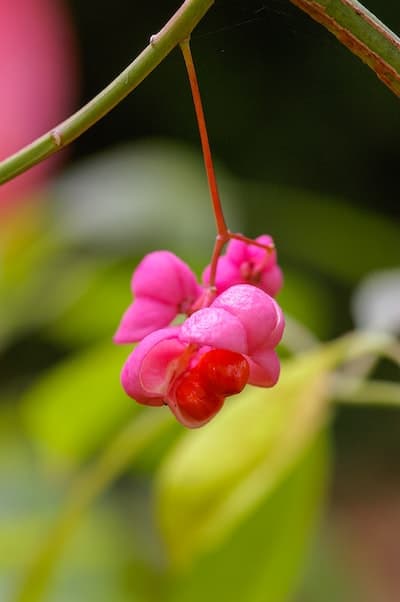
Hearts-A-Bustin' shrub with vibrant red seed pods and lush foliage.

Growing Hearts-A-Bustin': Cultivate Nature's Elegant Beauty

Growing Hearts-A-Bustin' lands you squarely in native plant territory, adding immediate allure and wildlife value to shaded garden beds. With partial shade, moist, well-draining soil, and patience for slow, deliberate growth, Euonymus americanus rewards gardeners with whimsical, pinkish-red seed capsules each autumn. Follow along to discover simple and effective strategies for nurturing healthy plants, expanding habitat for local wildlife, and genuinely enjoying the subtle charm of Hearts-A-Bustin' season after season.

Healthy salal shrub with green foliage and berries.

Growing Salal: How to Cultivate a Healthy Native Shrub

Growing Salal rewards gardeners with lush, dark-green foliage and sweet, blueberry-like berries, thriving effortlessly in shady gardens with moist, well-drained, slightly acidic soil. Start by planting salal in partial shade, water regularly until established, and mulch generously to mimic its natural woodland habitat. Ready to cultivate this native beauty in your own backyard? Here's how to ensure your salal flourishes.

Lavender plants growing in a garden.

Growing Lavender: How to Cultivate Healthy, Fragrant Blooms

Growing lavender transforms any ordinary garden into a fragrant, soothing oasis. To thrive, lavender demands plenty of sun, lean and well-drained soil, and minimal fuss with watering. Ready to sharpen those pruning shears and start growing lavender like a pro? Here's how to plant, care for, and harvest lavender that perfumes your space and earns the envy of neighborhood gardeners.