Apartment Composting: From Food Waste to Fertile Soil Without the Smell
Apartment composting
partment composting made simple: use a sealed 5-gallon bin and a 2:1 brown-to-green mix to cut odor. Apartment composting stays clean if you freeze scraps, cover each layer with shredded paper, and aerate weekly. Apartment composting: choose bokashi for 2-4 weeks or vermicomposting for castings in 8-12 weeks.Stick around for gear, steps, and a cook’s approach to apartment composting without the stink.
Table of Contents1 sections
- Section 1· 7 min
Section 1
- 1
Choose your system
Pick vermicomposting with red wigglers, bokashi fermentation, electric dehydrators, or freeze-and-drop based on your scraps.
- 2
Right-size and place bins
Use about 1 to 2 gallons capacity per person per week in shaded spots like under sinks or balconies.
- 3
Stock and apply carbon
Keep shredded cardboard, paper, or coco coir ready and use a carbon lid over every fresh feeding.
- 4
Feed, monitor, and adjust
Chop scraps small, mix 1 part food to 2 parts carbon, and log temperature, moisture, and feed rate.
- 5
Finish and use compost
Blend 10 to 20 percent finished compost or castings into potting mix, top-dress lightly, and observe foliage response.
I started apartment composting in a 500 sq ft studio with a cat, a basil jungle, and a nosy landlord. The basil thrived, the cat ignored the bin, and no one ever smelled a thing.
Odor comes from imbalance, not compost itself. Keep the biology happy and the bin stays as quiet as a sleeping sourdough.
"Food scraps and yard trimmings together make up more than 28 percent of what we throw away.": U.S. EPA
"Methane is about 80 times more powerful than carbon dioxide over 20 years.": IPCC AR6
Under the sink I run a 10 gallon (38 L) worm bin for daily scraps. On the balcony I keep a bokashi pair for cooked leftovers and occasional dairy.
Both live with carbon covers, a small fan for airflow, and a stricter feeding schedule than I give myself.
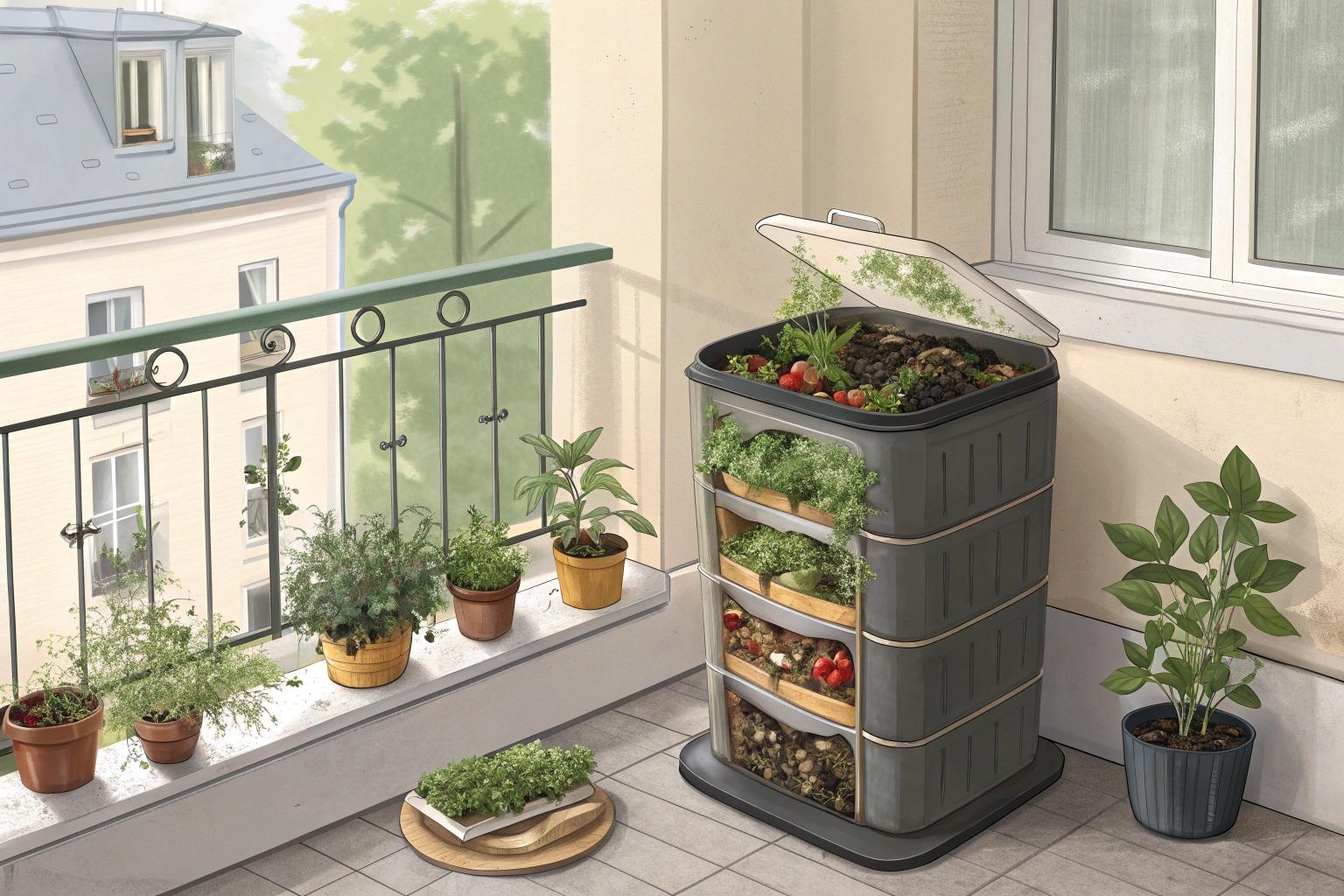
Use Eisenia fetida in a ventilated tote or a fabric tower like Urban Worm Bag, 10 to 20 gallons (38 to 76 L). Keep bedding deep with shredded cardboard, coco coir, and a handful of finished compost for inoculation.
Ideal temperature sits at 60 to 75 F (15 to 24 C). Moisture should feel like a wrung-out sponge.
Aim for a C:N around 25 to 30:1. In practice that means heavy carbon: shredded cardboard, paper, dry leaves, coco, or partially cooked rice hulls.
I keep a bin of pre-shredded junk mail and Amazon boxes. Every feeding gets buried and blanketed with carbon plus a scoop of biochar or zeolite if I sense sourness.
Bokashi is anaerobic fermentation in a sealed bucket with a spigot, using inoculated bran to drive Lactobacillus-led pickling. It handles cooked food, small amounts of dairy, and even bones that later soften in soil.
Pack scraps tightly, sprinkle bokashi bran every layer, and drain leachate every few days. Let each bucket ferment 2 weeks at room temperature, 68 to 77 F (20 to 25 C).
These units heat, agitate, and dry scraps into a coarse, shelf-stable material in 4 to 8 hours. This is not finished compost, but it makes a fast feedstock for soil biology.
I fold the output into potting mix at 10 to 20 percent by volume and let it mellow for 2 to 3 weeks, or feed it to a worm bin in small doses.
I keep a countertop caddy lined with paper bags, then stash filled bags in the freezer. Fruit flies vanish, and pickup days feel easy.
Look for municipal drop-off, CSA programs, or services that swap full buckets for clean ones. ShareWaste can match you with nearby hosts.
One person does well with a 10 to 15 gallon (38 to 57 L) worm bin, or two bokashi buckets in rotation. A family of four may want a 20 to 27 gallon (76 to 102 L) system or a worm stack.
Best spots: under sink, laundry closet, or a shaded balcony corner. I keep bins off radiant floors to avoid cooking my crew.
Castings buffer pH and chelate nutrients, reducing tip burn in basil and peppers. I see tighter internodes and richer leaf color within two feedings.
For heavy feeders, combine castings with slow-release organic fertilizer at label rates. Compost feeds biology; fertilizer feeds plants.
Price ranges: worm kits 80 to 200 USD, bokashi pairs 60 to 120 USD, electric units 300 to 600 USD. Replacement media runs 10 to 30 USD per month depending on volume.
Wash hands after handling bins and keep a dedicated scoop. Clean tools with 5 percent white vinegar in water and air-dry.
I keep a small brush and a dustpan beside the bin. Quick resets save the day.
Use sealed containers, clean any leachate right away, and tuck bins behind planters. I log temperatures with a cheap probe to show I manage the system.
If anyone asks, I offer them herbs fed by their banana peels. Skepticism fades fast.
Summer: feed smaller, chill scraps, and shade the bin. Winter: insulate the bin with a cardboard jacket and reduce watering to avoid soggy bedding.
If the bin hits 85 F (29 C) for days, move it indoors. Red wigglers stall above that range.
Apartment composting turns coffee grounds into tomatoes that taste like August. Soil eats stories, and your kitchen writes a fresh one every week.
- Vermicomposting with red wigglers: aerobic, low-odor, steady output of castings and liquid.
- Bokashi fermentation: airtight, handles almost all kitchen scraps, rapid pre-compost that finishes in soil.
- Electric dehydrators (Lomi, FoodCycler): grind and dry scraps to a stable input for soil or municipal green bins.
- Freeze-and-drop: store scraps in the freezer and use community collection or a pickup service.
- Start with 1 lb (0.45 kg) worms and feed up to 0.5 to 1 lb (0.23 to 0.45 kg) scraps per day once established.
- Chop scraps small, mix 1 part food to 2 parts carbon by volume, and always cover with dry bedding.
- Skip meat, fish, oils, and large amounts of citrus or onion. Add crushed eggshells for grit and pH buffering.
- Harvest every 2 to 3 months with light sorting or a migration method.
- Leachate is acidic. I dilute about 1:100 for drains or for outdoor ornamentals, never for tender houseplants.
- After fermentation, bury in a planter or tote with soil for 2 to 4 weeks to finish aerobically before planting near roots.
- DIY bran: wheat bran, molasses, and EM starter; or buy premade from TeraGanix or Bokashi Living.
- Feed small, frequent portions and bury them. Overfeeding causes sour pockets.
- Use a carbon lid: 2 to 5 cm of dry bedding over fresh scraps, always.
- Ventilate vermi-bins, and keep lids actually fitted on bokashi.
- Freeze scraps first in summer. Chop them fine.
- Add a cup of biochar per gallon (about 60 ml per liter) of bedding for buffering and structure.
- Trap fruit flies with yellow cards and a fine-mesh cover. Pause feeding a week if needed.
- Top-dress containers with 0.5 inch (1.2 cm) of worm castings every month during active growth.
- Blend 10 to 20 percent finished compost into potting mix for tomatoes, peppers, herbs, and leafy greens.
- For seedlings, I cap it at 10 percent to avoid salt stress.
- Try a quick germination test: 10 radish seeds in a 1:1 mix with finished compost. If 8 of 10 sprout strong, you are ready.
- Ammonia or rotten smell: add triple carbon, fluff, and stop feeding 5 to 7 days.
- Fruit flies: vacuum adults, freeze food, add mesh lid, and keep every surface covered with bedding.
- Too wet: add shredded cardboard, crack the lid slightly, and place a dry towel on top for a day.
- Ants: raise the bin on cups in a water moat, dust legs with diatomaceous earth.
- Mites or springtails are fine. Roaches are not, so inspect and clean perimeters.
- Vermicompost bins: Urban Worm Bag, Worm Factory 360, or a breathable DIY tote with 1/8 inch (3 mm) ventilation holes.
- Bokashi kits: airtight buckets with a real gasket and bottom spigot; look for thick walls and sturdy handles.
- Electric units: compare cycle time, noise level, charcoal filter cost, and capacity. Lids should lock tightly.
- Core supplies: coco coir, shredded cardboard, biochar, zeolite, bokashi bran, and a stainless chop knife.
- U.S. Environmental Protection Agency: food waste, residential composting basics, and waste statistics.
- IPCC AR6: methane global warming potential and climate context.
- Cornell Waste Management Institute: vermiculture biology, bedding, and temperature ranges.
- NRDC food waste guides and municipal composting policy summaries.
- USDA soil health notes on organic matter and water-holding capacity.
- 1
Choose your system
worms for steady castings, bokashi for cooked food, or both. - 2
Size the bin to your scraps
about 1 to 2 gallons (4 to 8 L) capacity per person per week. - 3
Stock carbon
one large bag of shredded cardboard or coco coir per month. - 4
Place a carbon cover on every feed
Keep a log of temperature, moisture, and feed rate. - 5
Use finished material at 10 to 20 percent in mixes
Top-dress lightly and watch the foliage respond.
Cheatsheet: Odor-Free Composting in Small Spaces
Indoor Composting Benefits
Food waste composes 30% of trash. Compost reduces waste, feeds plants, and lowers methane emissions.
Essential Composting Tools
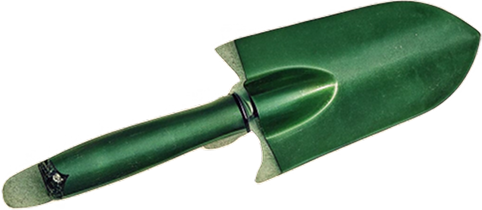
Compost bin with lid, bedding material (shredded paper, coconut coir), compost starter, gloves, trowel, odor filter.
Composting Do's and Don'ts
Do: Use fruit, veggie scraps, coffee grounds. Don't: Add meat, dairy, oils, or cooked foods.
Odor Prevention Techniques
Cover scraps with bedding, keep slightly damp, turn contents weekly, use charcoal filter. Add more bedding if smelly.
Bin Placement and Temperatures
Keep between 60-80°F. Avoid direct sun or freezing; place on balcony, kitchen corner, or under sink.
Composting Steps
Layer bedding, add scraps, mist if dry, stir weekly, harvest in 6-10 weeks, sift compost for use.
Pro-Tips
Freeze scraps to prevent flies, avoid citrus/onions if composting with worms, finished compost should smell earthy.
Want a more guided way to practice apartment composting?
Frequently Asked Questions: Apartment Composting
How can I prevent unpleasant odors in my indoor compost bin?
Odor control starts with the right balance of browns (carbon-rich materials such as shredded paper or dried leaves) and greens (food scraps and coffee grounds). Err on the side of more carbon-rich material. Use a bin with a tight-fitting lid and keep the surface lightly covered to block smells. Stir your compost weekly to introduce oxygen, which discourages anaerobic bacteria that produce foul odors.
Which foods should I avoid adding to my apartment compost?
Avoid meat, dairy products, oily foods, and large bones, as these attract pests and produce strong smells. Instead, stick to fruit and vegetable peels, coffee grounds, tea bags (without synthetic materials), egg shells, and shredded paper to keep your compost manageable and odor-free.
What type of compost bin works best for small living spaces?
Sealed containers with carbon filters allow airflow and contain smells. Consider compact models like a Bokashi bucket (for fermenting scraps), a worm bin (vermicomposting), or a small tumbler bin that fits under the sink or on a balcony. Select a bin sized for your household’s output, typically 2-5 gallons (8-20 liters).
How can I speed up the composting process in an apartment setting?
Chop food scraps into small pieces to increase the surface area exposed to microbes. Maintain a moist, but not soggy environment, aim for the feel of a wrung-out sponge. Keep the bin’s temperature within 65-85°F (18-29°C), which most apartments naturally provide. Turn or stir the contents weekly to ensure even decomposition.
How do I use finished compost from my apartment bin?
Let your compost mature for at least two weeks after decomposition slows. Sift or screen it to remove any chunky material. Use the finished product to enrich potting soil, top-dress houseplants, or feed balcony containers. Store extra compost in a sealed bin to keep it fresh and dry.
How can I keep pests away from indoor compost bins?
Always close the lid tightly after adding scraps and bury fresh material with carbon-rich brown matter. Empty and clean the bin regularly. If fruit flies appear, cover the contents with shredded paper or coconut coir. For worm bins, avoid overfeeding and remove any uneaten scraps promptly.
Conclusion
Apartment composting is simple kitchen craft: chop scraps, feed the bin, keep it dry on top. Hit 2 parts browns to 1 part greens, add air, and aim for a wrung-out sponge feel. A thin cap of dried leaves or shredded paper kills odor and gnats. Stir weekly, keep meat and dairy out. If maggots pop up, breathe and add more browns, then mix.
Finished compost is quiet gold. Sift it into potting mix, or top-dress herbs and greens you're growing food indoors. If you want richer mixes, read up on soil for a vegetable garden and adapt small. This keeps your trash lean, your plants fed, and your place smelling like nothing at all. That's the win: scraps to soil, no drama, just steady, clean apartment composting.


