Edible Ground Cover Plants for an Attractive, Tasty Garden
Edible ground cover plants
wap your lawn for flavor and function with edible ground cover plants. Thyme, strawberries, and creeping rosemary suppress weeds, invite pollinators, and turn unused space into snacks. Let's explore how growing edible ground cover can transform your garden into a tasty, sustainable haven.
Table of Contents1 sections
- Section 1· 7 min
Section 1
I plant to eat, and I plant for looks. Ground covers let me do both without babying fussy beds.
These low growers smother weeds, cool soil, feed pollinators, and hand me snacks while I weed. I set them where mulch used to go and let the garden pay rent.
I start with sun, soil, foot traffic, and winter lows. USDA Hardiness Zones keep me honest, then I check spread rate and vigor.
Evergreen foliage helps in winter. Edibility means parts you can eat safely and enjoy, with simple prep.
For orchards, I like nitrogen fixers under trees to feed the soil. For paths, I choose stepable aromatics and keep irrigation tight.
The fruit tastes like wild candy and arrives all summer. I tuck it under roses and in shady strips.
This one laughs at heat and shallow soil. It perfumes the air when I step through it.
Tiny leaves, big flavor. I edge shady steps with it for a cool blast of mint.
It creeps, then mounds, then feeds the garden with nectar storms. I shear it after bloom and it rebounds fast.
This is my orchard floor workhorse. It knits soil and it feeds bees, then me, with mild greens.
Summer hits 95 F, 35 C, and purslane grins. I clip mats for salads with lemon and salt.
It spills like a waterfall and makes peppery salads. I seed it in late spring after the soil hits 55 to 65 F, 13 to 18 C.
Cucumber flavor without cucumbers. I shear it like a lawn for baby leaves.
Evergreen shine, tart fruit, steady spread. I plant in acidic beds with pine fines and rainwater.
Glossy leaves and red berries all winter in cold gardens. I nibble a berry while pruning blueberries.
Armor for slopes with bonus fruit. The foliage bronzes in cold and stays low.
Cool season salad that blankets bare soil. I underplant with it as a living mulch before summer heat.
For paths, I mix thyme, oregano, and low strawberries at 8 to 10 inches apart. For tree rings, I blend white clover with salad burnet for quick knit and steady harvest.
On slopes, I pin coir netting and plug in creeping raspberry on 12 inch centers. In shade, I run wintergreen and lingonberry with leaf mold topdress.
I crowd a little for faster cover. Early water pays off for years.
I avoid roadside or pet-heavy zones for edible ground covers. I rinse harvests and sample new plants in small amounts first.
Correct ID matters. I cross check with the USDA Plants Database and local extension sheets.
Some species move faster than you expect. I edge beds with a flat spade each spring to keep lines clean.
Check state noxious weed lists before planting anything vigorous. Local knowledge saves rework.
Herb carpets pull in bees and syrphid flies that help with aphids. I see better fruit set when thyme and oregano bloom near apples.
Seed is cheap for clover, purslane, and nasturtium at 3 to 8 dollars a packet. Plugs for thyme or strawberries run 2 to 6 dollars each depending on tray size.
Quart pots of lingonberry or wintergreen land in the 8 to 15 dollar range. Specialty cultivars cost more but fill faster.
A dusting of coarse sand on thyme plugs helps with drainage and deters slugs. I also topdress strawberries with pine needles for clean fruit.
I bait snails early in wet springs using iron phosphate. The mats close before pests get a foothold.
Cool season starters go in early spring when soil hits 45 to 50 F, 7 to 10 C. Warm lovers wait until all frost risk passes and nights stay above 50 F, 10 C.
Fall planting works in milder zones. Roots lock in during cool, wet weather and sprint in spring.
Thyme flowers on goat cheese and grilled peaches taste like summer. Salad burnet wakes up potato salad with a clean cucumber snap.
Purslane with tomatoes and olive oil beats most lettuce in July. Alpine strawberries never reach the kitchen in my house.
Wintergreen contains methyl salicylate; those with aspirin issues should avoid it. Sweet woodruff flavors May wine, though coumarin intake should stay modest.
For plant ID, hardiness, and regional guidance, I lean on USDA Plants Database, state cooperative extensions, and the Royal Horticultural Society. They keep me honest and save money.
How fast will it cover. Most fill in 1 season with tight spacing and steady water.
Can I walk on it. Choose thyme or clover for steps and keep heels light after rain.
Will it attract pests. Flowering herbs bring beneficial insects that often balance the rest.
Can I mow it. Set a string trimmer at 2 inches, 5 cm, for clover and oregano shearing.
How do I water. Deep and occasional after establishment beats daily sips.
- Zones 4 to 9. Full sun to part shade.
- 6 to 8 inches tall, slow runners, noninvasive.
- Eat: berries fresh; leaves for tea.
- Try: ‘Alexandria’, ‘Mignonette’.
- Zones 4 to 9. Full sun. Low water once established.
- 1 to 3 inches tall. Handles light foot traffic.
- Eat: leaves and flowers; great with roast veg and grills.
- Try: ‘Elfin’, ‘Coccineus’.
- Zones 7 to 9. Part shade. Even moisture.
- 0.5 inch tall. Lightly stepable only.
- Eat: garnish, tea, desserts.
- Zones 5 to 9. Full sun.
- 6 to 12 inches. Moderate foot traffic by the edges.
- Eat: leaves fresh or dried.
- Try: ‘Greek’, ‘Kaliteri’.
- Zones 3 to 10. Sun to part shade.
- 4 to 6 inches. High traffic tolerance.
- Eat: young leaves raw; flowers for fritters or tea.
- Annual. Full sun. Heat loving.
- 1 to 2 inches tall. Self sows.
- Eat: crisp succulent leaves, high in ALA omega 3.
- Annual. Sun to part shade.
- 4 to 10 inches as a ground hugger; longer trails over walls.
- Eat: leaves, flowers, and pickled green pods.
- Zones 4 to 8. Sun to part shade.
- 6 to 12 inches. Clumping, light self sowing.
- Eat: leaves in salads and herby sauces.
- Zones 2 to 7. Sun to part shade. Acidic soil pH 4.5 to 5.5.
- 6 to 12 inches. Slow to moderate spread.
- Eat: jam, sauces, dried fruit.
- Try: ‘Red Pearl’, ‘Koralle’.
- Zones 3 to 7. Shade to part shade. Acidic soil.
- 4 to 6 inches. Slow spread.
- Eat: leaves and berries have wintergreen flavor; go light if sensitive to salicylates.
- Zones 6 to 9. Full sun. Well drained soil.
- 4 to 8 inches. Moderate spread; edge it to contain.
- Eat: small, sweet-tart berries.
- Annual. Part shade. Cool, moist soil.
- 2 to 6 inches. Self sows and fades in heat.
- Eat: tender leaves and stems raw.
- Tiny plugs 2 to 3 inches wide: 8 to 12 per square yard, 9 to 13 per square meter.
- Quart pots: 4 per square yard, 5 per square meter.
- Seeds like clover: 1 to 2 ounces per 1,000 square feet, 3 to 6 grams per square meter.
- Water: keep new plants evenly moist for 3 to 6 weeks; in heat, I aim for 1 inch, 25 mm, per week.
- Feed: low nitrogen for herbs; acid lovers get sulfur or acid mulch.
- Groom: shear thyme and oregano after bloom for fresh foliage. Clip clover monthly if you want fewer flowers.
- Divide: strawberries every 3 years for vigor.
- Clover spreads by stolons. Easy to guide with edging.
- Purslane and nasturtium self sow; thin seedlings in spring.
- Glechoma hederacea, often called creeping Charlie, is edible but can dominate beds; many extensions list it as a lawn weed.
- Claytonia sibirica, Siberian miner’s lettuce, can naturalize in moist shade; check local guidance.
- Best sources: local herb farms, native plant nurseries, fruit specialists, and reputable mail-order growers.
- Ask for botanic names and propagation method. Virus-free strawberry stock matters.
- Most stepable: creeping thyme. Runner up: white clover.
- Best shade edible: wintergreen and miner’s lettuce. In acid beds, lingonberry shines.
- Fastest summer fill: purslane and nasturtium from seed.
- Evergreen interest: thyme in mild winters, lingonberry, creeping raspberry.
- Under fruit trees: white clover for nitrogen, salad burnet for cut-and-come-again greens.
- Sunny path: 60 percent creeping thyme, 40 percent oregano. Add 10 percent strawberry at corners for fruit.
- Orchard ring: 70 percent white clover, 30 percent salad burnet. Mulch lightly with shredded leaves.
- Coastal bed: nasturtium and purslane for summer, miner’s lettuce for winter shoulder seasons.
- Acid shade: lingonberry with wintergreen. Use pine bark fines to lower pH.
Cheatsheet: Fast Picks for Attractive, Edible Ground Cover
Strawberry
Sweet fruit, spreads quickly, full sun
Sweet Potato (Ipomoea batatas)
Dense vines, nutrient-rich leaves (cook before eating)
Creeping Thyme
Fragrant, edible leaves, attracts pollinators
Oregano
Perennial, flavorful, drought-tolerant
Salad Burnet
Nutty taste, fast coverage
Wild Violets
Purple blooms, edible leaves & flowers
Lamb’s Lettuce (Mâche)
Rosettes, mild nutty flavor
Miner’s Lettuce
Crisp, thrives in shade
Nasturtium
Peppery leaves & flowers, edible seed pods
Nutrition & Self-Sufficiency
Up to 25% daily vitamin C from select edible covers
Planting & Care Tips
Space plants 12-24 in. apart; water deeply weekly; mulch for moisture retention
Tools You’ll Need
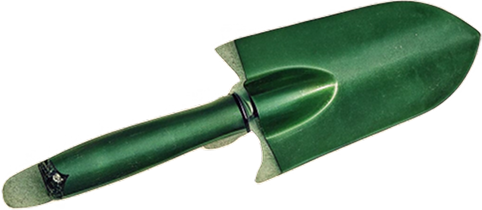
Hand trowel, garden scissors, mulch, starter plants or seeds, compost
Want a more guided way to practice edible ground cover plants?
Frequently Asked Questions About Growing Edible Ground Covers
What are the benefits of planting edible ground covers in a garden?
Edible ground covers help prevent weeds, protect the soil from erosion, improve moisture retention, and provide additional tasty produce. They also create habitats for beneficial insects and improve overall garden biodiversity.
Which edible ground covers thrive best in shaded areas?
In shaded gardens, choose plants that tolerate or prefer limited sunlight, such as wild strawberries (Fragaria vesca), sweet woodruff (Galium odoratum), or miner's lettuce (Claytonia perfoliata). These hardy species flourish with reduced sun exposure.
How can gardeners successfully establish edible ground covers?
Start by thoroughly clearing weeds and preparing the soil with compost or other organic materials. Space young plants tightly according to their mature size, typically around 8 to 12 inches (20 to 30 cm) apart. Mulching initially with a light organic mulch retains moisture during establishing phases.
Are edible ground covers suitable for walking paths?
Some edible species, like creeping thyme (Thymus serpyllum) or Corsican mint (Mentha requienii), tolerate occasional foot traffic well. These aromatic plants release a pleasant fragrance underfoot, adding an engaging sensory feature to garden pathways.
How can gardeners maintain edible ground cover growth?
Routine trimming prevents overgrowth and encourages fresh, tender foliage. Check plants regularly, removing any unhealthy growth, and feed annually with a balanced organic fertilizer. Regular watering during dry spells, approximately once weekly providing about 1 inch (2.5 cm) of moisture, promotes vigorous health.
Can edible ground covers support beneficial insects and pollinators?
Many edible ground cover plants like clover (Trifolium repens) and oregano (Origanum vulgare) produce flowers favored by bees, butterflies, and beneficial insects, enhancing pollination rates across your garden and encouraging a healthy ecosystem.
Do edible ground covers help improve soil conditions?
Yes. Species such as white clover (Trifolium repens) fix atmospheric nitrogen into the soil, boosting fertility. Additionally, most edible ground covers contribute organic matter back into the soil as foliage decays over time, improving soil structure, aeration, and nutrient availability.
Which edible ground cover plants withstand cold winters?
Alpine strawberries (Fragaria vesca), creeping thyme (Thymus serpyllum), and wintergreen (Gaultheria procumbens) adapt well to colder climates, tolerating winter temperatures down to approximately -20°F (-29°C). These plants offer reliable garden coverage, even through harsh conditions.
Conclusion
Edible ground cover plants pull double duty: serving up flavor while crowding out weeds and locking in moisture. These low-growing heroes fill the gaps, keep soil cool, and turn blank spaces into productive patches. From peppery nasturtiums to sweet strawberries, they offer a steady harvest and invite pollinators. Smart gardeners use them to boost yields and create a living mulch that’s both practical and beautiful. If you want even more from your soil, check out companion planting for tips on pairing ground covers with veggies. With a little planning, your beds can look good. And taste even better.


