Pollinators at Home: Inviting Nature Into Your Garden
Pollinators
ant more blooms, fruits, and veggies in your garden? Invite pollinators: bees, butterflies, hummingbirds: by planting nectar-rich flowers and ditching harsh chemicals. Gardens buzzing with active pollinators produce higher yields, healthier plants, and vibrant diversity. Here's how to turn your yard into a haven these hardworking guests can't resist.
Inviting Pollinators Into Gardens
- Pollinator-friendly home gardenunderstand role
- Pollinators as garden alliesenable fruitfulness
- Plant nectar-rich flowers
- Avoid harsh chemicals
- Support bees and butterflies
- Increase blooms and yields
- Healthier, diverse plants
Article mapOpen the visual summary
Inviting Pollinators Into Gardens
- Pollinator-friendly home gardenunderstand role
- Pollinators as garden alliesenable fruitfulness
- Plant nectar-rich flowers
- Avoid harsh chemicals
- Support bees and butterflies
- Increase blooms and yields
- Healthier, diverse plants
Table of Contents1 sections
Pollinators: Garden Allies With a Purpose
- Select pollinator-attracting plants
- Use bright blues, purples, yellows, reds
- Choose single-flowered, nectar-rich blooms
- Provide shelter, water, and safety
- Avoid pesticides; use companion planting
- Pollinator numbers increased year over year
I learned early on, from a wise old beekeeper named Gus, that pollinators keep gardens alive. He'd puff his pipe, squint toward his hives, and say, "Without them, kid, nothing fruitful happens."
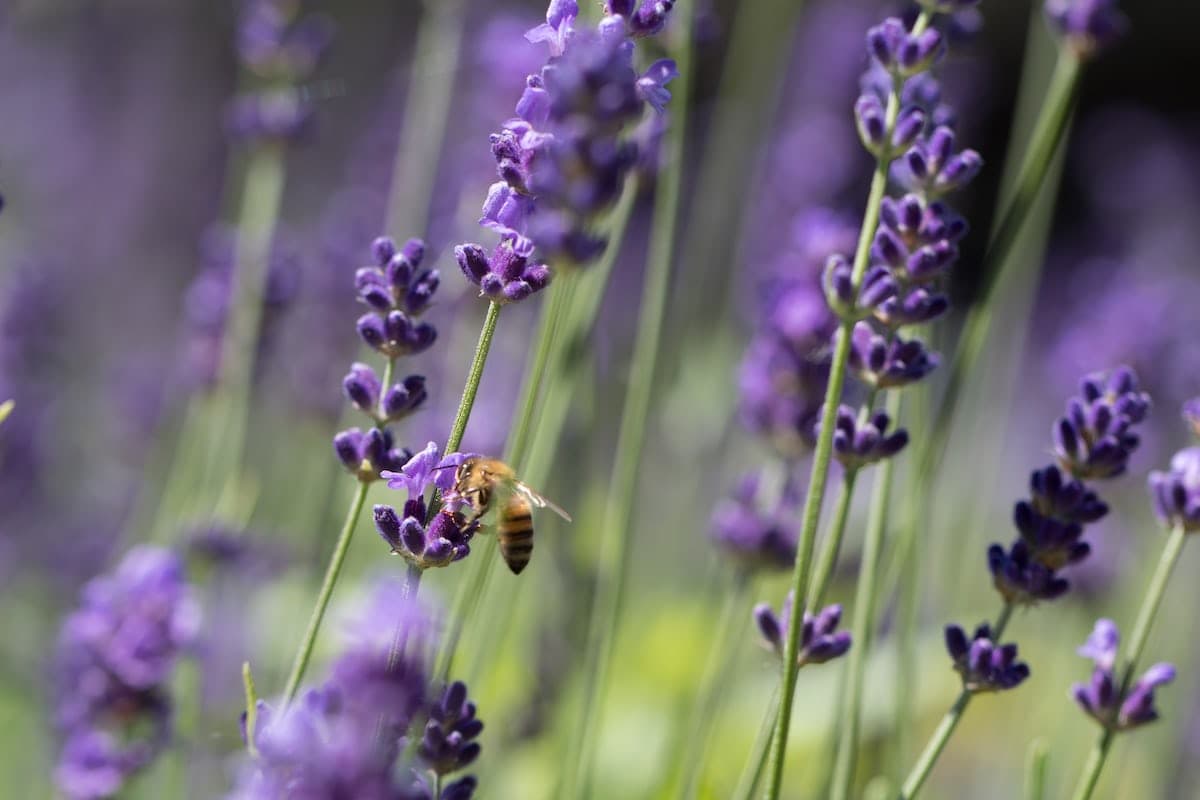
Years later, growing lavender, sunflowers, and tomatoes myself, I recognized Gus was right. Pollinators: bees, butterflies, hummingbirds, bats: carry the subtle magic that transforms flowers into food.
First things first: color matters. Pollinators gravitate toward bright shades like blues, purples, yellows, and reds.
Single-flowered varieties offer simple, accessible nectar and pollen, unlike showy double-flowered hybrids. I once replaced my double-petaled marigolds with elegant, single-petal cosmos; bees and butterflies flocked in greater numbers almost immediately.
I plant thoughtfully, aiming for blooms from early spring to late autumn. Here's what reliably draws pollinators through the seasons:
Last season, I tucked in a few borage plants amid my herbs: its blue starflower blooms became honeybee catnip within days.
Pollinators need more than pretty blooms, though: they require shelter, water, and safety. A shallow dish filled partially with stones and water offers a much-needed drink without risking drowning.
Leaving sections of my yard undisturbed has surprised me: I often discover native bees nesting underground or butterflies sheltering in leaf piles. Nature tends toward thriving, given a chance.
Pesticides, sadly common, disrupt pollinator populations more severely than many realize. I've swapped synthetic sprays for companion planting: marigolds near tomatoes, nasturtiums among cucumbers: to manage pests naturally.
Butterflies and hummingbirds require nectar-rich flowers, with butterflies favoring wider landing pads: think Echinacea and Rudbeckia.
Hummingbirds prefer tubular blossoms, sipping eagerly from honeysuckle, trumpet vine, and red cardinal flower. Watching them zip energetically among blooms always proves entertaining.
Gardening, at its essence, teaches patience. After carefully selecting pollinator-attracting plants and adopting gentle gardening practices, pollinator numbers increased in my garden year over year.
The lesson? Provide what these small but mighty creatures require: then watch as they reward your efforts tenfold.
Cheatsheet: Boost Pollinators in Your Yard Fast
Pick Diverse Plants
Select at least 3 bloom periods: spring, summer, fall. Native species support local pollinators.
Avoid Pesticides
Skip neonicotinoids. Use insecticidal soap or hand-pick pests instead.
Provide Water
Shallow dishes with pebbles give bees safe landing. Refill daily in hot weather.
Build Habitat
Leave bare soil patches for bees. Install bee hotels or bundles of hollow stems.
Grow Edibles for Pollinators
Plant herbs like basil and mint: harvest and share blooms. Use heirloom veggies like squash.
Stats That Matter
80% of flowering plants depend on pollinators. 1 in 3 bites of food relies on them.
Tools and Products You'll Need
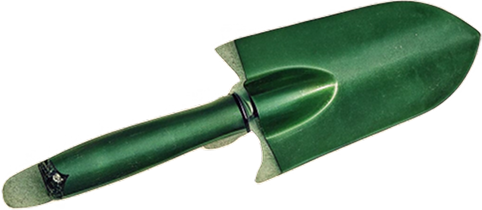
Hand trowel, watering can, native seeds, bee hotel kits, shallow dish for water.
Simple Steps
List native plants by bloom season. Plant in sunny spots, add water, and set up habitats.
Want a more guided way to practice pollinators?
Frequently Asked Questions about Attracting Pollinators to Your Garden
Which plants best attract pollinators?
Select native flowering plants such as coneflowers, bee balm, lavender, milkweed, and salvia. Incorporating plants native to your area naturally draws local species of pollinators and provides them with a familiar food source.
What colors appeal most to pollinators?
Pollinators often favor bright colors: especially purple, blue, yellow, and white blossoms. For instance, bees are attracted to blues and yellows, butterflies prefer vibrant purples and reds, and hummingbirds gravitate toward red and orange hues.
How can I provide water for pollinators safely?
A shallow basin filled with stones, marbles, or twigs offers a safe source of hydration. Ensure water levels remain shallow, roughly 1-2 inches (2.5-5 cm), allowing pollinators to drink without risking drowning. Replace the water regularly to maintain cleanliness and freshness.
Is mulching suitable around pollinator-friendly plants?
Yes, applying a layer of organic mulch: about 2-3 inches (5-7.5 cm): such as shredded bark or compost aids soil moisture retention, suppresses weeds, and moderates soil temperatures. Leave some bare soil patches available, enabling ground-nesting bees to establish their homes comfortably.
What should I avoid using in pollinator-friendly gardening?
Avoid chemical pesticides and herbicides, which often harm beneficial insects. Instead, implement natural pest control methods like attracting beneficial insects, hand-picking pests, or applying insecticidal soap. Maintaining a chemical-free garden protects pollinators and supports biodiversity.
Do pollinator gardens require full sun?
Most flowering plants favored by pollinators thrive under 6-8 hours of direct sunlight daily. However, partial shade-tolerant plants such as columbine or bleeding hearts can attract pollinators to gardens with less sunlight, expanding opportunities to draw beneficial insects into diverse spaces.
How can I support pollinators throughout all seasons?
Plan your plant selections carefully to ensure continuous blooming from early spring through late fall. Early bloomers like crocuses and late-season plants such as asters and goldenrods create a continuous supply of nectar and pollen, sustaining pollinators throughout the growing season.
Conclusion
Pollinators aren’t just visitors, they’re old allies, shaping every vibrant inch of our gardens. When you plant native flowers, skip the pesticides, and leave a patch of wild, you’re doing more than gardening; you’re building a safe haven for bees, butterflies, and hummingbirds. These small changes punch well above their weight, setting the stage for fruit, seed, and color year after year. If you’re wondering about the best plants for your climate zone, check out this comprehensive guide: the right choices mean more blooms and more buzz. Give these tireless workers a reason to stay, and your patch of green will never be the same. In the end, a garden humming with pollinators beats a silent one every time.