Growing food at home
Growing food at home
rowing food at home starts with sun: 6-8 hours, 2 inches compost, and 1 inch of water per week. Growing food at home runs on pH 6.0-7.0 soil; set greens 6 inches apart and sow every 2 weeks. Growing food at home in containers works: pick 10-20 gallon pots with drainage; tomatoes need 10+ gallons, herbs 1-3. Do the simple stuff right, then eat like you mean it. Bright, fresh, honest. Read on: dinner starts in the dirt.
Growing Food At Home
- Growing food at homeneed
- Sun and light hoursor LEDs
- Soil depth and compost
- Water per week
- Soil pH range
- Spacing and succession
- Container sizes
- LED light levels
Article mapOpen the visual summary
Growing Food At Home
- Growing food at homeneed
- Sun and light hoursor LEDs
- Soil depth and compost
- Water per week
- Soil pH range
- Spacing and succession
- Container sizes
- LED light levels
Table of Contents6 sections
Section 1
Pests, harvest, and preservation
Sticky cards, pruning for airflow, and row cover; beneficial insects need flowers like alyssum, dill, and calendula; Bt, spinosad, or insecticidal soap per University IPM guides; potable water and 120-day or 90-day pre-harvest intervals for raw manure; wash, rinse, then sanitize harvest bins; leafy greens at 34 to 38 F or 1 to 3 C; ferment cucumbers with 2 to 3 percent brine; blanch green beans 3 minutes then freeze; preserving days like pickle day, sauce day, and stock day.
Crop timing, succession, and protection
Sow salad mix every 10 to 14 days and bush beans every 3 to 4 weeks; late cucumbers or buckwheat cover crop after garlic or peas; short-season varieties under 65 days; USDA extension calendars steer sowing dates; row cover on brassicas; timers at 14 to 16 hours for greens and 12 to 14 hours for fruiting starts; microgreens finish in 7 to 14 days; basils, chives, and cilantro at 68 to 75 F or 20 to 24 C indoors.
Layout, rotations, and systems
Bed layout, water access, and a compost spot; group families: solanaceae, brassicas, alliums, legumes, cucurbits, and roots; 3 to 4 year gap before a family repeats; raised beds, containers, in-ground, Kratky, recirculating NFT or DWC, stacked towers, vertical trellises, window boxes, gutter gardens; organic soil bed, container culture, hydroponics as core growing systems.
Soil, water, and nutrition
Soil structure beats fertilizer; pH near 6.2 to 6.8; organic matter 4 to 6 percent; test every 2 years; 1 in or 25 mm water per week by drip at dawn; mulch 2 to 3 in or 5 to 7.5 cm; compost plus 4-4-4 fertilizer; higher K side-dress at bloom; blossom end rot, magnesium deficiency, and iron lockout tied to pH and uneven water.
Light and climate basics
6 to 8 hours of full sun; LEDs at 150 to 250 µmol m−2 s−1 for leafy greens and 400 to 600 for tomatoes and peppers; average last spring frost and first fall frost; USDA Plant Hardiness Zone Map; cold pockets in low spots and warmer south-facing walls; warm-season crops at 60 F or 15.5 C and 65 F or 18 C, cool-season crops at 45 F or 7 C.
I begin with light, because crops run on photons the way cooks run on gas. Aim for 6 to 8 hours of full sun, or use LEDs to hit 150 to 250 µmol m−2 s−1 for leafy greens and 400 to 600 for tomatoes and peppers.
I map my space like a kitchen line: prep, cook, plate. Bed layout, water access, and a compost spot save time every single week.
I keep a sticky note with my average last spring frost and first fall frost from the local extension and the USDA Plant Hardiness Zone Map. Cold pockets lurk in low spots while south-facing walls run a few degrees warmer.
Warm-season crops wait for soil at 60 F or 15.5 C for tomatoes and 65 F or 18 C for peppers and squash. Cool-season champions like peas and lettuce laugh at 45 F or 7 C soil.
Soil structure beats fertilizer. I want crumbly aggregates, a pH near 6.2 to 6.8 for most vegetables, and organic matter in the 4 to 6 percent range.
I test every 2 years through a land-grant lab. Calibrate amendments to the report, not to hope.
I sow salad mix every 10 to 14 days and bush beans every 3 to 4 weeks until midsummer. After garlic or peas, I drop in late cucumbers or a quick buckwheat cover crop for soil biology.
Short-season varieties buy time. Look for days-to-maturity numbers under 65 for most summer crops if your season runs tight.
Deep, infrequent watering trains roots. I target 1 in or 25 mm per week including rain, delivered by drip at dawn.
Mulch 2 to 3 in or 5 to 7.5 cm with shredded leaves or straw. Soil stays 5 to 10 F or 3 to 6 C cooler in heat waves, and weeds sulk.
I baseline with compost plus a balanced organic fertilizer around 4-4-4 worked into top 2 in or 5 cm. Fruiting crops get side-dressed with a higher K material at bloom.
Yellowing leaves with green veins signal iron lockout from high pH. Epsom salt helps magnesium deficiency, but I confirm with a soil test before I toss anything.
I scout with a coffee in hand twice weekly. Sticky cards in the greenhouse, row cover on brassicas, and pruning for airflow keep trouble contained.
Beneficial insects need flowers. I plant alyssum, dill, and calendula to feed hoverflies and parasitic wasps, then use Bt, spinosad, or insecticidal soap only when thresholds are met per University IPM guides.
Microgreens finish in 7 to 14 days under 16 hours of light at 150 to 200 µmol m−2 s−1. I seed a 10 by 20 in or 25 by 50 cm tray with 20 to 30 g brassica mix, bottom-water, and harvest with a sharp knife.
Basils, chives, and cilantro thrive indoors at 68 to 75 F or 20 to 24 C with a small fan for airflow. Keep pH 6.0 to 6.5 in soilless mixes and feed weekly at quarter strength.
I sanitize reservoirs between cycles with 3 percent hydrogen peroxide diluted appropriately. Clean gear grows clean plants.
I irrigate edibles with potable water. Raw manure gets a 120-day pre-harvest interval for crops with soil contact and 90 days for those without, aligning with organic standards.
I wash harvest bins with soap, rinse, then sanitize. Leafy greens chill fast at 34 to 38 F or 1 to 3 C to lock in texture.
I pick tomatoes at first blush for storage, or vine-ripe for dinner, never the refrigerator. Cucumbers taste best small while seeds stay tender.
Herbs carry peak oils mid-morning after dew dries. I cut with clean shears and cool them quickly.
I ferment cucumbers with 2 to 3 percent brine, garlic, and dill. The crock burbles like a quiet jazz set and lunches improve for weeks.
I blanch green beans 3 minutes, chill, then freeze flat. Hot peppers dry at 95 F or 35 C with a fan for safe storage.
I shoot for a carbon to nitrogen ratio near 25 to 30:1. Grass clippings and coffee fuel nitrogen, while leaves and shredded cardboard bring carbon.
Keep it at 120 to 150 F or 49 to 66 C for a couple weeks with 50 to 60 percent moisture. Finished compost smells like forest, not barn.
I group families: solanaceae, brassicas, alliums, legumes, cucurbits, and roots. Beds rotate yearly and I aim for a 3 to 4 year gap before a family repeats.
Cover crops fill gaps. I like winter rye with hairy vetch for spring nitrogen and weed suppression.
I set timers to 14 to 16 hours for greens and 12 to 14 hours for fruiting starts. A cheap lux meter app helps verify coverage, but I trust manufacturer PPFD charts.
I once side-dressed peppers with a light compost ring after a thunderstorm and yields jumped the next flush like a kitchen crew after espresso. On the flip side, I overwatered container tomatoes one July and watched skins split within hours of a heat spike.
I trellis cucumbers on cattle panel arches, then plant shade-loving lettuce underneath in July. Two crops share one footprint and salads taste like relief.
USDA extension calendars steer sowing dates, and the Plant Hardiness Zone Map keeps long-term choices grounded. I trust peer-reviewed extension sheets on pests and nutrition over anecdotes, including guides from University of California IPM and Cornell.
I mix hybrids for disease resistance with open-pollinated for seed saving. I stagger early, mid, and late varieties of tomatoes to stretch the season.
For disease pressure, I pick VFN-resistant tomatoes and downy-mildew resistant basil. Catalog codes pay rent every summer.
I write menus for the garden. Two salads a week means three rows of cut lettuce, one row of scallions, a pot of dill, and a tray of microgreens on rotation.
Preserving days go on the calendar like holidays. Pickle day, sauce day, and stock day keep the freezer orderly and the pantry smug.
- Raised beds: fast drainage, early warm-up, and control. I blend 40 percent high-quality compost, 40 percent aged pine bark fines or peat-free fiber, 20 percent mineral topsoil, plus 3 percent by volume biochar precharged in compost tea or fish hydrolysate.
- Containers: great for patios. Use a peat-free, bark-based mix with perlite and slow-release organic fertilizer, and water daily in heat.
- In-ground: long-term value. Loosen soil 8 to 12 in or 20 to 30 cm, add 1 to 2 in or 2.5 to 5 cm compost on top, then mulch.
- Kratky: no pumps, perfect for lettuce. Use EC 0.8 to 1.2 mS/cm and pH 5.8 to 6.2.
- Recirculating NFT or DWC: faster growth and higher yields, but monitor water temp 65 to 70 F or 18 to 21 C to avoid root pathogens.
- Stacked towers: great for patios. Leafy greens excel while larger fruiting crops strain the reservoirs.
- Vertical trellises for cucumbers and pole beans double usable area.
- Window boxes with parsley, thyme, and chives turn inches into meals.
- Gutter gardens for strawberries along a fence keep fruit clean and reachable.
- Full-spectrum LEDs with listed PPFD maps at 12 and 18 in or 30 and 45 cm.
- Drivers with dimmers to match plant stage and reduce power bills.
- Aluminum reflectors and white walls lift efficiency without extra watts.
- Compost: the foundation for biology and structure.
- Worm castings: seedling-safe boost for early vigor.
- Gypsum: calcium without shifting pH, helpful for heavy soils.
- Rock phosphate or bone meal: slow P, used only from a soil test cue.
- Greensand or sulfate of potash: gentle K with trace minerals.
- Untreated rot-resistant wood like cedar or larch with interior liner to extend life.
- Recycled HDPE boards: long-lived and splinter-free.
- Galvanized steel kits: thin profile, fast to assemble, watch heat on south sides.
- Masonry block: thermal mass and permanence, add capstones to sit on.
- Woven fabric beds: breathable and fast to fill, great on patios.
- Peat-free or reduced peat with wood fiber and composted bark.
- Air-filled porosity above 20 percent and stable structure all season.
- Charge with slow-release organics plus supplemental liquid feed.
- Bypass pruners with replaceable blades and springs.
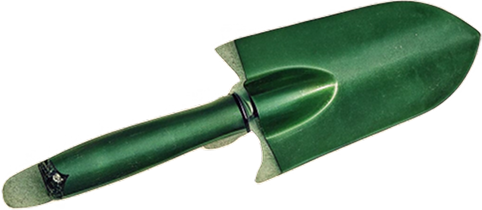
- Stainless Hori-Hori for planting, weeding, and harvest.
- Drip kit with pressure regulator, filter, and 0.5 gph or 2 lph emitters.
- Soil knife or narrow trowel for tight spacing work.
- Moisture meter or simply a finger test and mulch. The finger never lies.
- Organic soil bed: low tech, forgiving, soil life builds yearly. Best flavor and resilience.
- Container culture: mobile, clean, higher watering frequency. Perfect for patios and renters.
- Hydroponics: fastest turnover, precise nutrient control. Demands monitoring and cleaning discipline.
- Blossom end rot on tomatoes: uneven water and low calcium uptake. Mulch, steady moisture, and avoid excess nitrogen.
- Powdery mildew on squash: improve airflow, prune two leaves a week, and use potassium bicarbonate sprays at first sign.
- Bitter cucumbers: heat stress and drought. Pick small, water regularly, mulch deep.
- Leggy seedlings: insufficient light or too warm. Drop temps to 60 F or 15.5 C nights and move lights to 2 to 4 in or 5 to 10 cm above leaves.
- USDA Plant Hardiness Zone Map for climate planning.
- EPA WaterSense on efficient irrigation and outdoor water use.
- FAO reports on food loss and waste for harvest planning.
- Royal Horticultural Society on soil health and cultural care.
- University of California IPM and Cornell Cooperative Extension for pest thresholds and nutrient management.
- Salad mix: 21 to 30 days, cut-and-come-again yields all season.
- Basil: high value per square foot and freezes well as pesto.
- Cherry tomatoes: 8 to 15 lb or 3.6 to 6.8 kg per plant with steady feeding.
- Green beans: direct sow, heavy yield, easy blanch-and-freeze.
- Garlic: plant in fall, harvest mid-summer, cure and store.
- Hot peppers: small plants, long harvest window.
- Zucchini: two plants feed a household and then some.
- Scallions: sow thick, harvest in waves.
- Kale: from baby leaves to winter-hardy workhorse.
- Strawberries: everbearing in containers for steady snacks.
- Herbs: basil, dill, cilantro, and chives beat store prices every week.
- Salad mix and arugula: cut twice, plant again, repeat.
- Cherry tomatoes: flavor premium and steady production.
- Garlic: seed cost upfront, but bulbs store for months.
- Hot peppers: compact plants with dozens of fruits.
- Scallions: dense plantings, quick turnover.
- Pole beans: vertical yield with low footprint.
- Cucumbers: trellis up and harvest clean fruit.
- Strawberries: homegrown taste beats clamshells by a mile.
- Microgreens: seven days to plate and year-round output.
Cheatsheet: Home Harvest Simplified
Top Crop Choices
Spinach, basil, and cherry tomatoes: quick growing, high yield.
Water and Light Essentials
Provide 6-8 hours of sunlight and consistent moisture without sogginess.
Ideal Temperature Ranges
Cool crops at 40°F, 75°F, warm crops at 65°F, 85°F; avoid frost.
Container and Soil Selection
Use pots at least 6 inches deep, prioritize well-draining, nutrient-rich soil.
Nutritional Benefits
Homegrown food can have up to 30% more vitamins; ensures fresher produce.
Basic Tools
Seeds, compost, hand trowel, watering can, mulch, pruners.
Steps to Planting Success
Plan, prepare, sow, water, grow, harvest: optimized care cycle.
Practical Tips for Effective Growing
Implement succession planting, vertical growth, and crop rotation.
Want a more guided way to practice growing food at home?
Frequently Asked Questions
How much sunlight do edible plants require?
Most varieties need at least six hours of direct sunlight daily. Leafy greens like spinach and lettuce tolerate partial shade, but tomatoes, peppers, and melons thrive with full sun. Observe your growing area throughout the day to gauge exposure.
What type of soil works best for growing vegetables and herbs?
Rich, well-draining soil encourages strong root development and high yields. Mix compost or aged manure into your existing soil to boost nutrient content and structure. Aim for a slightly acidic to neutral pH between 6.0 and 7.0 for optimal growth.
How often should I water my edible plants?
Most crops thrive when soil stays consistently moist but never soggy. Check the soil by inserting a finger about two inches (5 cm) deep; if it feels dry, water thoroughly at the base. Early morning or late afternoon reduces evaporation and limits fungal issues.
Which vegetables and herbs suit small spaces or containers?
Leafy greens, radishes, bush beans, cherry tomatoes, peppers, and most herbs flourish in pots, raised beds, or tight garden plots. Select compact or dwarf varieties to maximize yield in limited space.
When should I plant seeds or seedlings for best results?
Cool-season crops like lettuce, peas, and kale prefer soil temperatures between 45°F and 70°F (7°C to 21°C), so plant them early in spring or late summer. Warm-season plants such as tomatoes and squash need soil above 60°F (16°C) and nighttime temperatures above 50°F (10°C).
How can I keep pests and diseases from damaging my crops?
Use crop rotation, companion planting, and physical barriers like row covers to reduce pests. Inspect leaves for damage, remove affected parts immediately, and encourage beneficial insects such as ladybugs. Water at the soil level to help prevent fungal diseases.
Do I need fertilizer, and if so, which kind?
Compost and organic fertilizers replenish nutrients removed by heavy feeding crops. Choose slow-release granular blends or incorporate rotted manure. Leafy greens benefit from nitrogen-rich amendments, while fruiting plants respond well to balanced or slightly phosphorus-heavy fertilizers.
Conclusion
Growing food at home tastes like victory. Keep it simple: plant what you cook, match crops to your light and season, feed the soil with compost, water early and steady. Stagger sowings for a rolling harvest. Pair crops with companion planting. Watch for stress and avoid early bolting. Keep tools clean. Observe, then adjust.
Small space? Grow a tray of microgreens on the sill. New to feeding plants? This fertilizing primer keeps it simple. The rest is patience and appetite. Growing food at home invites you to cook closer to the dirt, share a little with the soil life, and eat what’s in season. Plant, taste, repeat.


