Trellises: Elegant Styles for Every Garden
Trellises
rellises transform gardens, boost plant growth, and maximize small spaces. Selecting the right trellises gives vines and flowers solid support, improves airflow, and simplifies harvesting. This quick guide breaks down popular trellis types to help you pick the perfect piece and bring your garden to life with vertical style.
Table of Contents5 sections
The Beauty and Functionality of Garden Trellises
Functions: support, speed, height, privacy
Support for climbing roses, jasmine, clematis, peas, cucumbers, morning glories, runner beans, wisteria, climbing hydrangeas, grapevines, herbs; speed and quick setup; height and striking aesthetics; privacy and reduced noise; vertical gardening makes the most of limited room.
Forms: lattice, obelisks, teepees, wall-mounted
Lattice panels, obelisks, teepees, wall-mounted trellises, bamboo frames, iron archway, and wall grids and wall-mounted frames.
Materials: wood, metal, vinyl, netting
Wood trellises (cedar, redwood, cypress), metal trellises, vinyl trellises, and nylon or jute netting, plus bamboo, iron trellises, and copper wire and steel cables.
Garden trellises
Trellises transform gardens by maximizing growth space, improving plant health, and adding visual flair; they're tangible expressions of style and creativity in the garden.
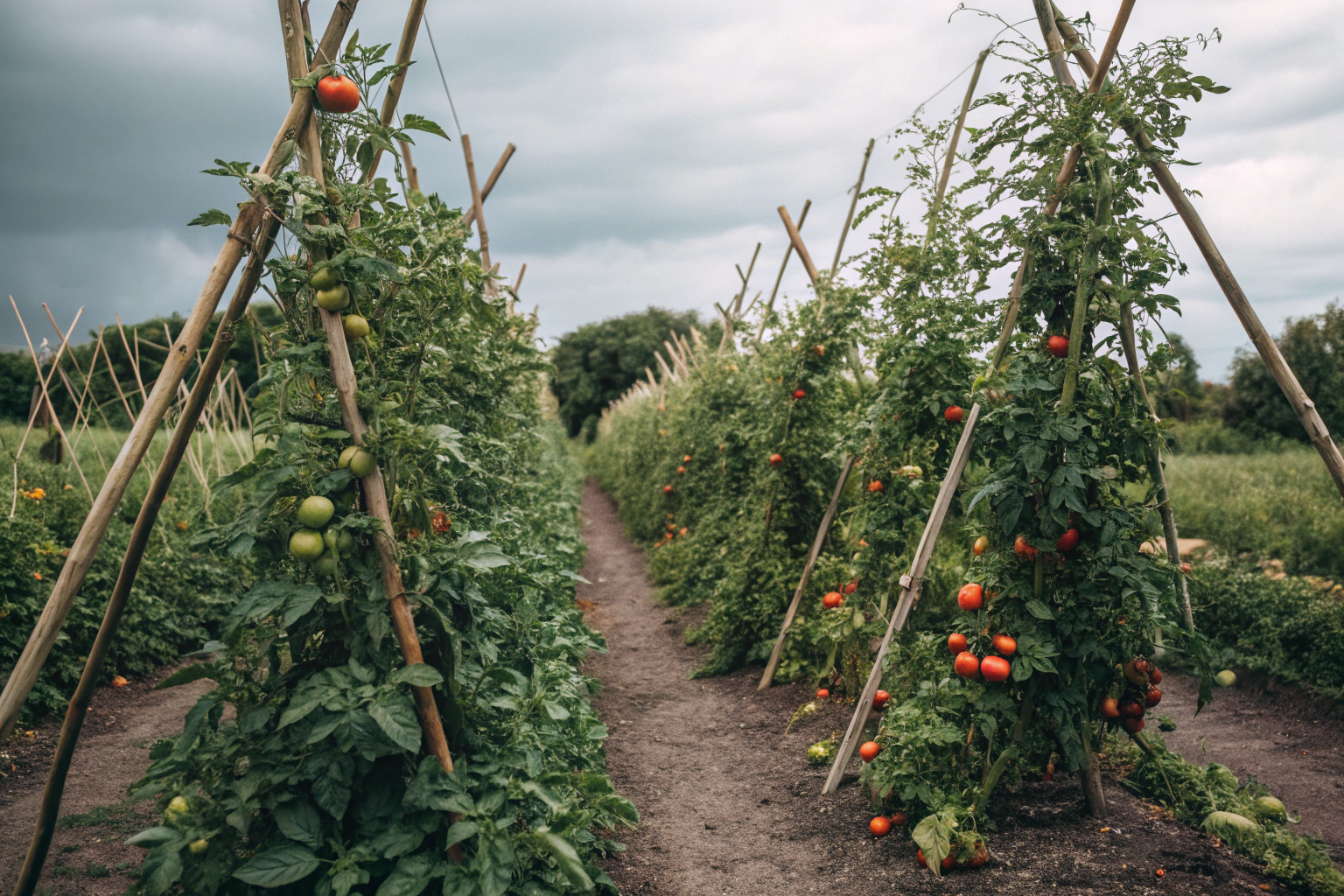
I still remember the summer my backyard tomatoes toppled over with reckless abandon. Lesson learned: never underestimate the humble trellis. Quickly, I discovered that trellises aren't limited to pure function; they're tangible expressions of style and creativity in the garden.
Here's a straightforward breakdown of different types of garden trellises I've come across, each with its unique personality and practicality.
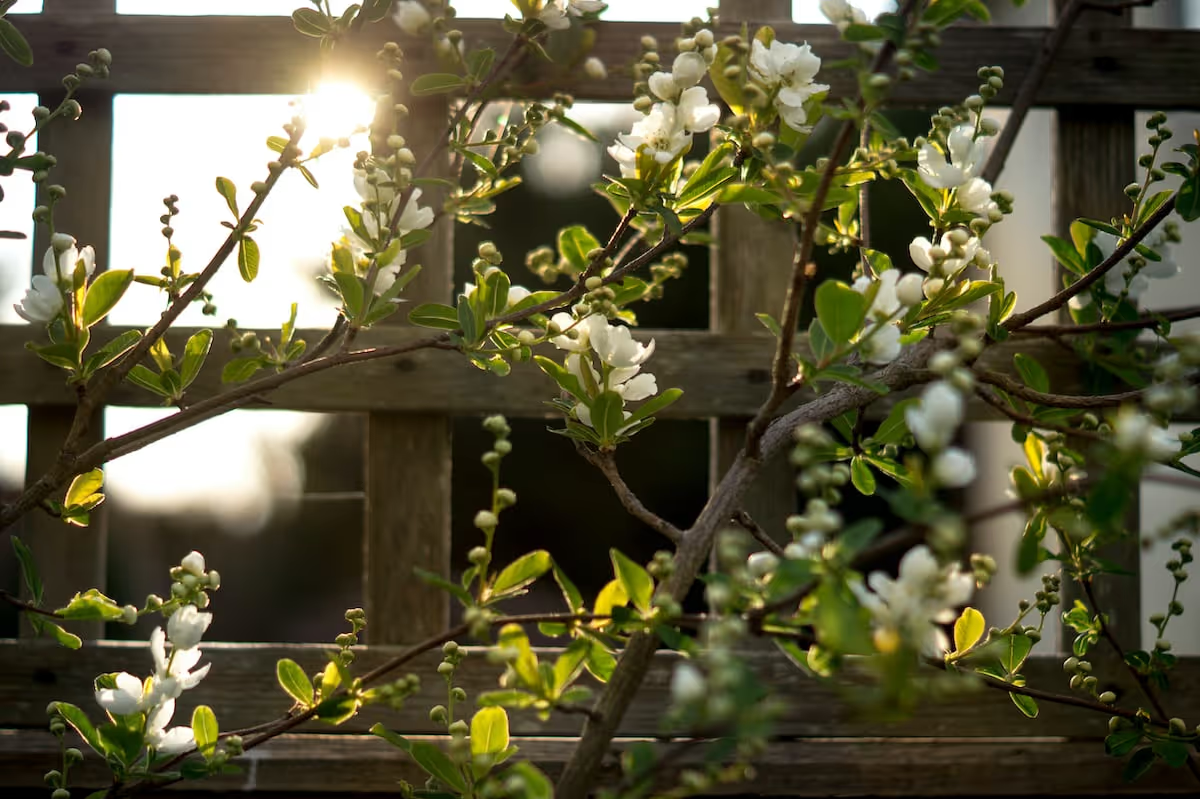
Wood trellises convey warmth and a timeless aesthetic. Cedar, redwood, and cypress are a gardener's best bet: they resist decay naturally and blend effortlessly into outdoor settings.
Metal trellises strike a balance between beauty and endurance. They afford structure without overwhelming delicate plants.
I admit it. Vinyl initially left me skeptical. But after several seasons of dealing with relentless rain causing wooden supports to warp, I reconsidered.
Vinyl trellises withstand wet weather impeccably and require minimal upkeep. A little soapy water, rinse, and they're good as new.
If speed is your priority, nylon or jute netting easily attaches to fences or stakes for peas, cucumbers, or morning glories. Last spring, hurriedly constructing netting alongside raised beds saved time and granted abundant yields.
When seeking height and striking aesthetics, obelisks excel. Placed prominently, they draw attention and anchor garden compositions. Teepees, on the other hand, offer quick setup; last year, my daughter helped me string beans onto a bamboo teepee: we crafted memories alongside a healthy harvest.
City gardening taught me the importance of wall-mounted trellises. Vertical gardening makes the most of limited room and turns bare walls into thriving mini gardens.
Ultimately, thoughtfully selected trellises transform gardens by maximizing growth space, improving plant health, and adding visual flair. I learned firsthand that once one embraces trellises: simplicity and abundant growth soon follow.
- Lattice Panels: Tried-and-true, lattice-style wood panels prove ideal for climbing roses, jasmine, and clematis. Last summer, I trained honeysuckle onto lattice panels near my entrance, transforming a simple doorway into a fragrant paradise.
- Bamboo: Lightweight and eco-friendly, bamboo sticks weave easily into any shape or size you desire. Last season, I crafted quick bamboo frames for my runner beans, and they flourished beautifully.
- Iron Trellises: Wrought iron brings a classic vibe, sturdy enough for heavy climbers like wisteria or climbing hydrangeas. A stately iron archway spans my pathway, flourishing splendidly with grapevines in early autumn.
- Copper Wire and Steel Cables: Prefer minimalist style? Thin copper wires or steel cables offer subtle support, and make interesting garden art in winter months when plants retreat.
- Ivy-covered wall grids create privacy and reduce noise.
- Herbs climbing wall-mounted frames near a kitchen window conveniently season dinners fresh from the vine.
Cheatsheet: Stylish Trellises for Every Outdoor Space
Benefits of Using Trellises
Maximize yield in small gardens and improve airflow to reduce diseases.
Best Trellis Styles for Various Plants
Obelisk for roses, fan for morning glories, grid for cucumbers.
Essential Tools for Installation
Level, cordless drill, garden gloves, and weather-resistant panels.
Quick Installation Steps
Anchor posts, check alignment, secure joints, and plant climbers.
Popular Plants for Trellises
Pole beans, tomatoes, clematis, and wisteria thrive on trellises.
Maintenance Tips
Seasonal cleaning, paint wood, inspect metals; require routine care.
Pro Gardening Tips
Rotate crops, clean before each season, seal wood for longevity.
Want a more guided way to practice trellises?
Frequently Asked Questions About Trellises
What materials work best for outdoor trellises?
Wood, metal, and vinyl work reliably outdoors. Cedar and redwood naturally resist decay, making wooden trellises durable even in moist climates. Metal trellises, such as wrought iron or coated aluminum, offer stability in windy conditions, while vinyl stands up well to both weather and pests.
Which climbing plants grow ideally on trellises?
Many climbing plants thrive vertically supported on trellises. Clematis, wisteria, climbing roses, and vegetables like beans and cucumbers benefit greatly, taking advantage of the vertical structure to improve sunlight exposure and air circulation.
How should gardeners securely anchor trellises?
Install posts firmly by setting them at least 12 to 18 inches (30-45 cm) deep into the soil. For taller or heavier structures supporting woody vines, anchor posts in concrete foundations, ensuring stability against wind and plant weight.
Do trellises need special maintenance?
Perform seasonal maintenance to extend your trellis lifespan. Wooden trellises benefit from yearly cleaning and applying a sealant or stain. Metal frameworks might require periodic rust inspections and treatments, while vinyl typically requires minimal upkeep apart from occasional washing.
Can trellises provide added privacy in a garden?
Strategically placed trellises with thick-growing climbers like jasmine or ivy create elegant, natural privacy screens. Position multiple sections closely together, and select dense greenery to obscure sightlines effectively.
Should gardeners regularly prune trellis-supported plants?
Regular pruning maintains plant health and encourages healthy growth. Remove dead or damaged stems annually and prune flowering vines after blooming to shape the plant and promote vibrant blooms in upcoming seasons.
Conclusion
Trellises bring structure and soul to any garden, weaving vertical beauty with practical support. From classic wrought iron to rustic willow, each style has a story: one that lifts blooms and vines skyward, saving space and catching the eye. Whether you’re training full sun vegetables or letting clematis run wild, the right trellis turns a patch of earth into something memorable. Pick materials that weather well, match your plants’ ambitions, and fit your space: small backyards thrive with clever verticals, and expansive beds welcome bold statements. At the end of the day, trellises aren’t just supports: they’re the backbone of a garden’s character, inviting growth and a little bit of magic.