Leaf Rollers: Identify, Control, and Prevent Garden Damage
Leaf rollers
eaf rollers twist and fasten leaves with silk to shape hiding spots, chew damage, and stress plants. Spotting leaf rollers early stops larger infestations before they take off. Handpick rolled leaves and check for telltale webbing: catching leaf rollers before they can multiply saves entire branches. Discover which species lurk in your region, learn why your favorite plants attract them, and pick up proven ways to fight back, organically and otherwise.
Table of Contents8 sections
Leaf Rollers: The Caterpillar Architects of the Garden
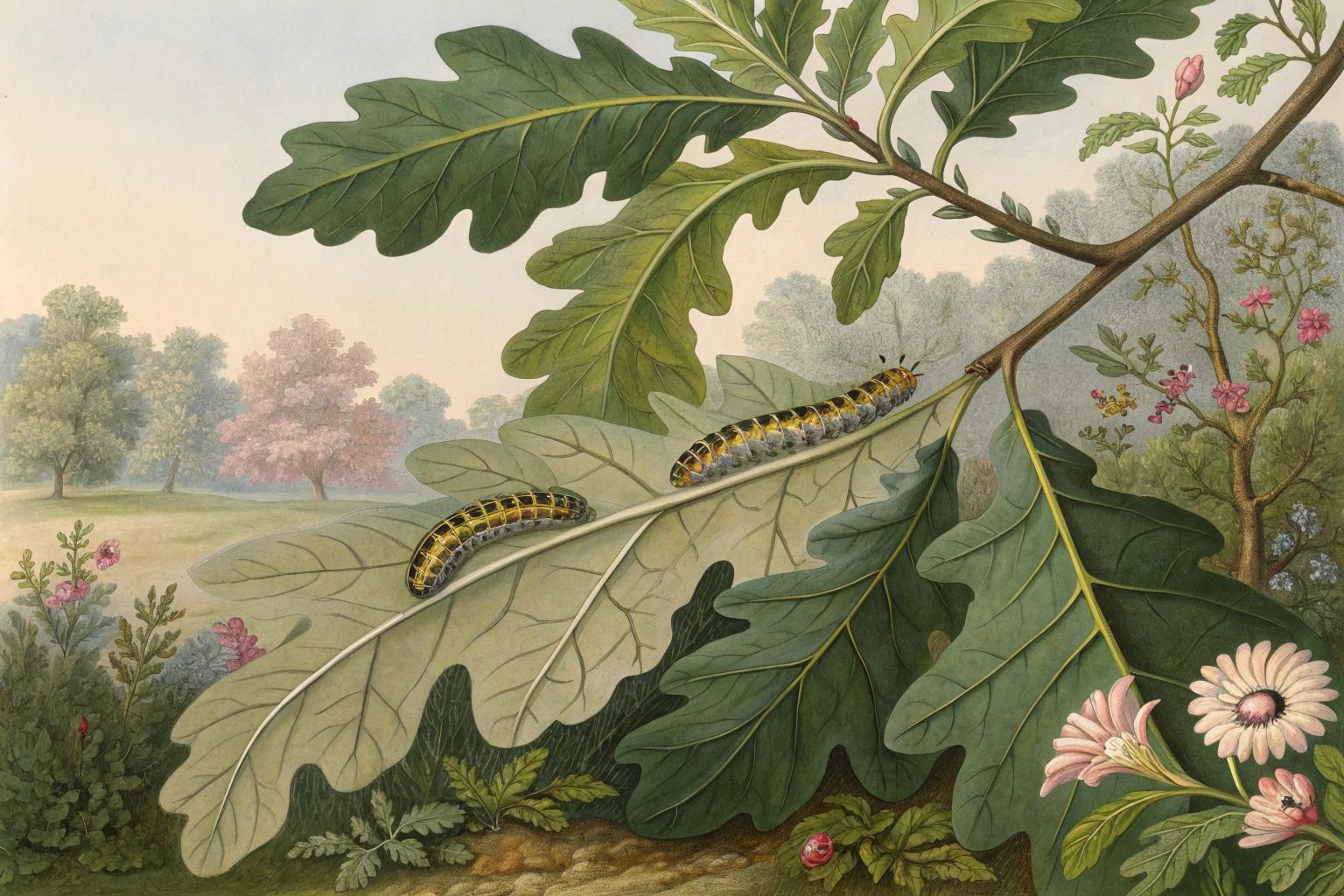
Leaf rollers are the larval form of several moth species in the Tortricidae family. These small caterpillars expertly fold and fasten plant leaves together with silk, creating a shelter and a snack in one move.
I’ve watched a tiny Archips argyrospila at work on a peach tree, rolling the leaf edge with precision that would impress an origami artist. Inside, the caterpillar munches away, hidden from predators and, often, from unsuspecting gardeners.
According to the University of California IPM program, “Extensive leaf rolling can reduce plant vigor, especially in young or stressed fruit trees.” I’ve seen grapevines lose half their leaf surface to leaf rollers in a matter of weeks during a particularly warm spring.
These insects don’t discriminate. They target fruit trees: apples, pears, plums, roses, maples, oaks, and even berry brambles.
I once found my prize 'Burgundy Belle' maple festooned with little green tents, each sheltering a wriggling inhabitant. Grapevines and blueberries often take a beating, too.
Leaf rollers overwinter as eggs or pupae, depending on the species. Come spring, larvae emerge just as tender new leaves unfurl.
Here in USDA zone 7 (I garden just outside Asheville), the first instars show up when temperatures hit 55°F (13°C) for several days in a row. Adults appear later in the season, laying eggs for a second, sometimes even a third, generation if the weather obliges.
Minor infestations barely slow down healthy plants. Still, a heavy outbreak can decimate foliage and reduce fruit yields.
If you’re growing apples for local markets, even a few damaged fruit can lead to significant losses. Appearance sells.
Best Ways to Control Leaf Rollers
Insecticides work, but timing matters. Contact sprays rarely reach larvae once leaves are rolled. Systemic products, like spinosad, can be useful but may harm pollinators if misapplied. Always consult your county extension office for recommendations that fit your crop, climate, and local regulations.
- Prune and Destroy: Remove and trash infested leaves as soon as you spot them. Don’t compost them unless your pile runs hot (over 140°F/60°C). I patrol my orchard every week from late March through June, shears in hand.
- Natural Predators: Birds, spiders, parasitic wasps (like Trichogramma) love leaf roller larvae. Attract these allies with diverse plantings and avoid broad-spectrum insecticides that wipe out beneficial insects.
- Bacillus thuringiensis (Bt): This biological pesticide, derived from a soil bacterium, targets caterpillars but spares bees and ladybugs. For best results, spray when eggs hatch and larvae are young (first or second instar). Too late and they’re snug in their leafy bunkers: anecdotal proof: I missed a week last spring and paid the price in shredded plum leaves.
- Horticultural Oil: Oils applied during winter dormancy suffocate overwintering eggs on fruit trees. I use a light paraffinic oil at 2% solution in mid-February, timing it just before bud break.
Listicle: Top 4 Alternatives to Synthetic Sprays for Leaf Roller Control
Look for Bt sprays under brands like Monterey or Safer. Horticultural oils appear at every decent nursery. Sticky traps are available online and at local garden centers. My favorite scouting trick: a simple roll of yellow tape, sticky side out, looped around a branch catches adults before eggs are laid.
Early intervention always saves the season. Waiting until you see rolled leaves on every branch means playing catch-up. I’ve also found that rotating biological and mechanical controls keeps populations in check without harming pollinators.
If you want step-by-step guidance tailored to your microclimate and plant choices, you can get personalized gardening instructions from Taim.io.
- 1
Bacillus thuringiensis (Bt)
Targets caterpillars, leaves beneficials unharmed. Apply just as larvae hatch. - 2
Regular Pruning
Hand remove rolled leaves weekly during active periods. - 3
Sticky Traps
Monitor adult moths to time your interventions. Cheap, effective, and surprisingly satisfying. - 4
Encourage Birds
Install birdhouses and keep feeders stocked in early spring. Chickadees and wrens love to hunt for caterpillars.
Interesting Statistics
Leaf rollers have turned leaf folding into high art. With vigilance, a few sharp pruners, and a little biological backup, any gardener can keep these tiny architects in check. Some seasons they’ll test your patience, but the rewards: a flush of healthy, unblemished leaves and fruit: are well worth it.
- Over 1,000 Tortricid moth species in North America roll leaves as larvae (Entomological Society of America).
- Leaf roller outbreaks can reduce fruit yields by up to 30% in untreated orchards (University of Florida Extension).
- Studies show Bt reduces leaf roller populations by more than 75% when applied at first hatch (Journal of Economic Entomology).
Cheatsheet: Outsmarting Leaf-Rolling Pests Fast
Signs of Leaf Roller Infestation
Look for leaves folded or stuck together, webbing visible on leaf edges, chewed foliage, and small larvae inside.
Vulnerable Crops
Includes roses, apples, citrus, grapes, and berries. Over 80 plant varieties are targeted globally.
Tools and Products Needed
Pruning shears, neem oil or Bt, sticky traps, gloves, and a bucket of soapy water.
Manual Removal Steps
Inspect plants daily, snip infested leaves, and submerge them in soapy water.
Organic Sprays Guide
Mix neem oil or Bt in water, spray in the morning below 85°F, and repeat after rain.
Encouraging Beneficial Allies
Attract parasitic wasps and birds by planting dill, fennel, or alyssum.
Prevention Strategies
Remove weeds, check new plants, maintain plant health, and rotate crops.
Benefits of Organic Control
Less leaf loss increases yield, boosts resilience, and avoids toxic chemicals.
Want a more guided way to practice leaf rollers?
Frequently Asked Questions About Leaf Rollers
How can I tell if these caterpillars have infested my plants?
Look for rolled or folded leaves held together with silk webbing. Inside, you may spot small caterpillars feeding on the foliage. Leaves may show chewed edges, brown patches, or holes. In flowering plants and fruit trees, damaged buds or fruit scars can also signal their presence.
Which plants face the highest risk?
Fruit trees such as apple, citrus, and plum attract them most often, but ornamental shrubs, roses, and some vegetables may also draw these pests. Plants with thin, delicate leaves or soft new growth prove especially vulnerable in late spring and early summer.
What causes an outbreak to escalate?
Warm, humid weather (above 75°F/24°C and 60% humidity) can encourage rapid population growth. Over-fertilization with nitrogen promotes lush foliage, creating ideal breeding grounds. Lack of natural predators, like birds or parasitic wasps, can also trigger heavier damage.
How do I control these pests without chemicals?
Handpick and remove rolled leaves, or prune heavily infested shoots. Encourage beneficial insects like lacewings, trichogramma wasps, and certain birds. A strong blast of water can knock larvae to the ground. Apply Bacillus thuringiensis (Bt), a biological control, during early larval stages for greatest effectiveness.
Should I worry about long-term plant health?
Occasional infestations rarely kill plants, but repeated attacks can stress trees and shrubs, reduce yields, and invite secondary infections. Monitor regularly during the growing season and remove affected foliage promptly to help plants recover and maintain vigor.
Conclusion
Leaf rollers don’t ask for permission. They show up, roll up, and get to work on your prized leaves. Spotting their handiwork early gives you the upper hand: look for webbing and folded leaves before they take over. Squash the rolled leaves if you catch them, or bring in natural predators like birds and parasitic wasps. If you’re growing vegetables or rare houseplants, regular checks are non-negotiable. Go easy on the chemicals; you want pollinators, not collateral damage. A little vigilance and some handpicking go a long way. For more on resilient edibles and smart pest management, visit the Taim blog. With leaf rollers, sharp eyes and steady hands win every time.


