Pest Management Essentials for the Beginner Gardener
Pest Management
est management starts the moment you notice those tell-tale chew marks and sticky residues on your beloved plants. Early identification of common pests like aphids, spider mites or slugs, and swift use of simple remedies such as neem oil or companion planting, keeps infestations manageable. Smart, straightforward pest management means less frustration, and more time savoring a thriving garden. Keep reading, and we'll show you exactly how it's done.
Table of Contents1 sections
Pest Management Essentials for the Beginner Gardener
- 1
Scout your plants daily
Spend five minutes each morning scouting for chewed leaves, sticky residue, or tiny invaders on stems.
- 2
Learn key pest calling cards
Common pests, like aphids, spider mites, cutworms, and Japanese beetles, have distinct calling cards and damage patterns.
- 3
Lean on IPM basics
Integrated Pest Management blends cultural, physical, biological, and chemical tools while avoiding blanket pesticide use.
- 4
Strengthen plants with good care
Mulch well, avoid watering leaves at night, and rotate tomatoes and peppers every year.
- 5
Use gentle targeted controls
Choose physical barriers, handpicking, beneficial insects, and targeted organic sprays as needed, always following label directions.
Pest management starts with observation. I spend five minutes each morning scouting for chewed leaves, sticky residue, or tiny invaders on stems. Spotting trouble early matters more than any spray or gadget.
“An ounce of prevention is worth a pound of cure,” echoed my mentor, whenever aphids struck my tomatoes. He was right. Most problems get solved before they explode if you walk your patch daily.
Common pests: like aphids, spider mites, cutworms, and Japanese beetles: have distinct calling cards. Aphids create colonies on new shoots, while cutworms sever seedlings at the soil line. Learning these signs saves weeks of agony and lost harvest.
RHS (Royal Horticultural Society) reports aphid infestations account for more than 50 percent of all vegetable garden complaints in spring (source: RHS, 2023).
Integrated Pest Management (IPM) blends cultural, physical, biological, and chemical tools. I lean heavily on IPM principles, avoiding the “scorched earth” approach of blanket pesticide use. You’ll keep pollinators, pets, and kids safer.
UC Davis’ IPM program shows home gardens cut pesticide use by 75 percent when following IPM basics (source: UC Agriculture & Natural Resources).
Avoid watering leaves at night. Damp leaves breed fungal disease, which weakens plants and invites pests.
Mulch well. Straw, wood chips, or pine needles (2-3"/5-7 cm thick) insulate roots and thwart crawling insects: like cutworms and slugs: at the soil level.
I rotate tomatoes and peppers every year. Nightshades planted in the same spot breed soil-dwelling pests. Think musical chairs, but for veggies.
For tailored plans and regional pest alerts, I use Taim.io for personalized gardening instructions. Data-driven care beats guesswork every time.
Your garden brims with life: good, bad, and fascinatingly ugly. With sharp eyes and a plan, most pest issues become a footnote. May your bug battles be brief and your harvests bountiful.
- Cultural controls: Crop rotation, proper spacing, and healthy soil. Disease and pest pressure plummet when plants aren’t stressed.
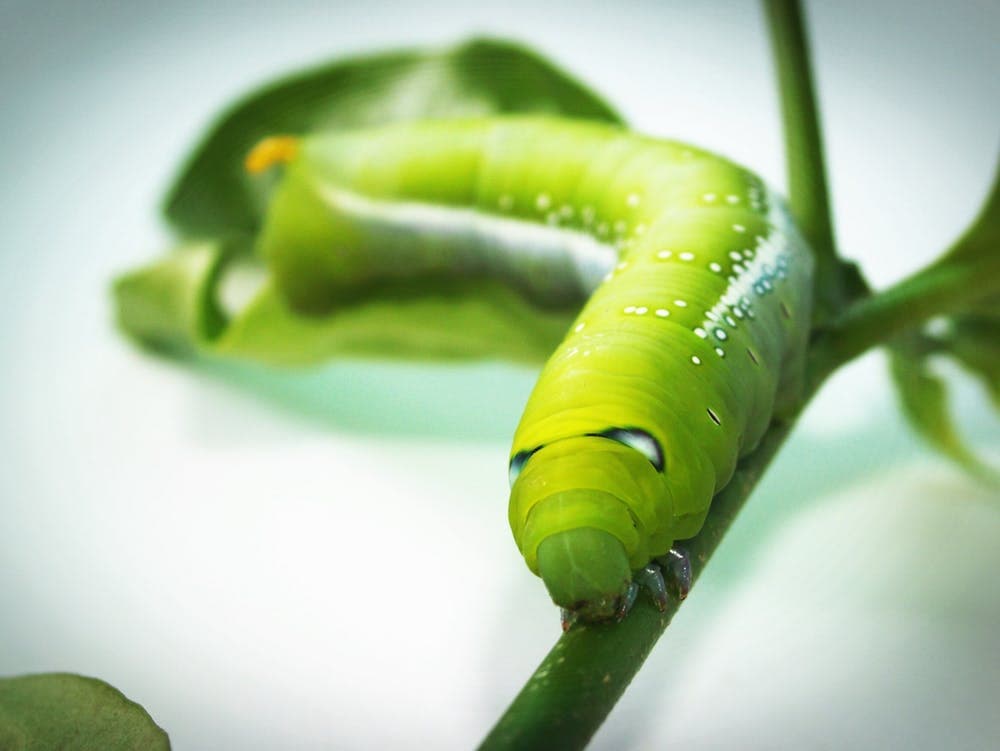
- Physical controls: Row covers, handpicking, sticky traps. Few sensations beat the satisfaction of flicking a hornworm into a bucket of soapy water.
- Biological controls: Ladybugs, lacewings, and nematodes. One summer, a batch of locally raised ladybugs dethroned a thriving aphid colony overnight.
- Chemical controls: As a last resort, I choose organic sprays like neem oil or insecticidal soap. Always spot-test first; even “gentle” sprays can scorch leaves if applied under the midday sun (above 80°F/27°C).
- Yellow sticky traps: Monitor and reduce flying pests quickly.
- Insect netting: Protects crops without chemicals.
- Neem oil concentrate: Powerful when mixed and timed right (avoid pollinator activity hours).
- Soil health test kits: Healthy soil means sturdier plants and fewer pests.
- 1
Physical Barriers
Lightweight row covers or mesh keep out cabbage moths and beetles. Instant peace of mind. - 2
Companion Planting
Marigolds, nasturtiums, and basil repel certain pests and lure beneficials. A marigold border gave my beans their best season yet. - 3
Handpicking
Fast, free, and oddly meditative. Early evening, I pluck cabbage loopers on sight. Bare hands, no gadgets. - 4
Beneficial Insects
Release ladybugs and predatory mites. I buy them online from reputable suppliers: avoid random “ladybug giveaways” at hardware stores for best results. - 5
Targeted Organic Sprays
Neem oil, horticultural soap, or diatomaceous earth. Always follow label directions, as overuse can backfire.
Cheatsheet: Beginner Pest Management How-To
Prevention First
Healthy soil repels 60% of pests. Choose disease-resistant seeds & varieties, rotate crops each year, and water early to allow leaves to dry before night.
Scouting & Detection
Check plants twice weekly for holes, spots, and sticky leaves. Look under leaves for eggs & larvae. Sticky traps spot flying pests fast.
Encourage Beneficials
Plant dill, fennel, and marigolds to attract ladybugs and lacewings. Leave some dandelions for predatory insects.
Physical Controls
Handpick beetles and caterpillars (drop in soapy water). Use row covers for brassicas and lettuces. Mulch with straw or bark to block crawling pests.
Natural Remedies
Apply neem oil or insecticidal soap at dusk. Spray garlic or chili-water for aphids. Soap + water (1 tsp per quart/1 L) effectively stops most mites.
Timing & Weather
Insect pressure peaks above 77°F/25°C. Avoid spraying when bees visit blooms.
Tools and Products You’ll Need
Garden gloves, 5-gallon/20L bucket (for soapy water disposal), hand lens (10x) for egg inspection, sticky traps, neem oil or insecticidal soap, row covers (lightweight, breathable).
Health & Self-Sufficiency
Less pesticide use means a safer, more nutritious harvest. Managing pests can double yields, according to FAO.

Want a more guided way to practice pest management?
Frequently Asked Questions about Garden Pest Management
How can I naturally deter pests from my garden?
Natural deterrents involve cultivating plants that pests avoid. Herbs like basil, mint, and lavender repel various insects. Additionally, encouraging beneficial insects such as ladybugs and lacewings through diverse planting helps control pest populations naturally.
What are beneficial insects, and how do I attract them?
Beneficial insects prey on pests and pollinate plants, supporting garden health. Attract them by planting native flowering plants like daisies and yarrow, providing shelter areas such as small brush piles, and avoiding chemical pesticides.
When should I inspect my plants for signs of pests?
Inspect plants regularly, about once per week, particularly during the growing season. Examine leaf undersides, stems, and new growth closely during early mornings or evenings, since many pests remain active at these times.
How do I recognize early signs of pest infestations?
Look for clear physical evidence, including holes or discoloration on leaves, wilting despite sufficient watering, sticky residues indicating aphid activity, or fine webbing signaling spider mites. Early discovery allows prompt intervention, limiting further damage.
Are homemade remedies effective against garden pests?
Homemade solutions, such as diluted dish soap sprays or garlic-infused water treatments, effectively control mild infestations. However, test these mixtures on a small section of a plant before wider application to prevent unintended harm.
Can companion planting help reduce pest issues?
Companion planting, the practice of strategically grouping certain plants, effectively reduces pest infestations. For example, pairing marigolds with tomatoes deters nematodes, while onions placed near carrots ward off carrot flies.
When should chemical pesticides become necessary?
Chemical pesticides serve as a last resort, appropriate only when natural methods clearly fail and significant crop damage occurs. Always choose targeted, minimal-impact pesticides, and strictly follow label instructions to minimize harm to beneficial organisms.
What precautions should I take when applying pesticides?
Wear protective gear, including gloves and eye protection, and avoid application during windy conditions or temperatures above 85°F (29°C). Limit pesticide use near water sources or flowering plants to protect beneficial wildlife and pollinators.
Conclusion
Pest Management starts with observation: really look at your plants, get to know their quirks. Most pests show up when we’re not paying attention or when the garden’s out of balance. Keep your soil healthy, attract pollinators and predatory insects, and don’t rush to chemicals. Sometimes, a simple trick: like using cream of tartar or citrus peels: can tip the scales. Rotate your crops, stay curious, and when in doubt, learn from the plants themselves. Good pest management is less about killing bugs, more about reading the signs and responding with patience. Remember, your garden is a wild place first: a little chaos is part of the magic.


