Soil for a Vegetable Garden: Choosing the Best Mix for Success
Soil for a vegetable garden
oil for a vegetable garden shapes your harvest, fuels healthy roots, and dictates flavor. Mix compost, sand, and loam for a blend that drains well and packs nutrients. Rich soil for a vegetable garden teems with life, turning seeds into dinner. Ready to turn dirt into abundance? Let’s break down what really matters beneath your boots.
Table of Contents10 sections
- Soil for a vegetable garden: what a winning mix looks like· 1 min
- Test first, then build smart· 1 min
- My proven mixes by situation· 1 min
- Ingredient glossary that actually matters· 2 min
- CEC, salinity, and why numbers tell the truth· 1 min
- pH targets I actually use· 1 min
- Structure, tilth, and oxygen for roots· 1 min
- Cover crops are the unpaid crew· 1 min
- Buying guide: bagged and bulk soil without regrets· 1 min
- Fertilizer strategy that respects biology· 1 min
Soil for a vegetable garden: what a winning mix looks like
I want soil that smells like forest after rain and crumbles when squeezed. That points to loam, roughly 40 percent sand, 40 percent silt, and 20 percent clay, with plenty of pore space for roots and air.
Vegetables thrive in living soil with 3 to 6 percent organic matter, a pH near neutral, and steady moisture without soggy pockets. Structure beats ingredients every time.
Test first, then build smart
I send a soil sample to an accredited lab before mixing or amending. The report tells me pH, organic matter, macronutrients, micronutrients, salinity, and CEC (cation exchange capacity).
Most vegetables prefer pH 6.0 to 7.0, as backed by multiple Cooperative Extension guides. I keep brassicas near 6.5 to 7.0 to discourage clubroot and potatoes nearer 5.2 to 6.0 to ease scab pressure.
- Infiltration: Fill a 6 inch deep hole twice and time the third fill. About 1 to 2 inches per hour is workable.
- Jar test: Shake soil with water and a drop of dish soap in a clear jar. Layers settle into sand, silt, clay and show texture.
- Squeeze test: Moistened soil should form a weak ribbon that breaks at 1 to 2 inches. Long ribbons flag heavy clay.
My proven mixes by situation
I topdress 1 to 2 inches of finished compost each season, roughly 2.5 to 5 cm. I avoid tillage after the first prep to protect aggregates and worms.
For heavy clay, I add 0.5 inch of coarse compost plus 0.25 inch of screened aged bark fines, then mulch. Sand only helps if added by the truckload, which I skip.
This yields a fluffy, stable matrix that resists compaction. I blend in 2 to 3 cups of an organic 4-4-4 per 27 gallons, about 100 liters.
Never use dense native soil in pots, as it compacts and suffocates roots. I add 5 percent pre-charged biochar and a slow-release organic fertilizer for steady feed.
Ingredient glossary that actually matters
Compost: Finished, earthy, stable at room temperature. Immature compost steals nitrogen; I check for a sweet smell and no heat. Vermicompost (worm castings): Microbe-rich, gentle, great for seedlings. I use 10 to 20 percent in mixes. Topsoil: Buy screened loam with low debris and a particle size under 10 mm. Avoid fill labeled as “contractor mix.” Coco coir: Renewable peat alternative, rinse well if salty. Great water sponge that pairs nicely with perlite. Peat moss: Consistent and clean, though peatlands store carbon, as the RHS cautions. I use sparingly and favor peat-free when I can. Perlite or pumice: Improves drainage and gas exchange. Pumice stays put outdoors, perlite is lighter and can float. Vermiculite: Holds water and cations, lovely for seed starting. I keep it to 10 to 20 percent. Biochar: Boosts CEC and structure over time. Charge it in compost tea or liquid fertilizer first and use 5 to 10 percent by volume. Gypsum: Supplies calcium and sulfur without raising pH. Helpful on sodic or tight clays with poor structure. Lime: Raises pH and adds calcium. Dolomitic lime adds magnesium; I only use it if a test shows low Mg. Elemental sulfur: Lowers pH slowly via microbial action. I retest six months later to avoid overshooting. Rock phosphate and bone meal: Slow P sources for low-P soils. High soil P suppresses mycorrhizae, so I dose carefully.
- Compost: Finished, earthy, stable at room temperature. Immature compost steals nitrogen; I check for a sweet smell and no heat.
- Vermicompost (worm castings): Microbe-rich, gentle, great for seedlings. I use 10 to 20 percent in mixes.
- Topsoil: Buy screened loam with low debris and a particle size under 10 mm. Avoid fill labeled as “contractor mix.”
- Coco coir: Renewable peat alternative, rinse well if salty. Great water sponge that pairs nicely with perlite.
- Peat moss: Consistent and clean, though peatlands store carbon, as the RHS cautions. I use sparingly and favor peat-free when I can.
- Perlite or pumice: Improves drainage and gas exchange. Pumice stays put outdoors, perlite is lighter and can float.
- Vermiculite: Holds water and cations, lovely for seed starting. I keep it to 10 to 20 percent.
- Biochar: Boosts CEC and structure over time. Charge it in compost tea or liquid fertilizer first and use 5 to 10 percent by volume.
- Gypsum: Supplies calcium and sulfur without raising pH. Helpful on sodic or tight clays with poor structure.
- Lime: Raises pH and adds calcium. Dolomitic lime adds magnesium; I only use it if a test shows low Mg.
- Elemental sulfur: Lowers pH slowly via microbial action. I retest six months later to avoid overshooting.
- Rock phosphate and bone meal: Slow P sources for low-P soils. High soil P suppresses mycorrhizae, so I dose carefully.
CEC, salinity, and why numbers tell the truth
CEC is your pantry size for nutrients. Sandy soils sit near 3 to 5, loams in the teens, clays and organic soils higher.
Vegetables begin to sulk as electrical conductivity rises above about 2 dS per meter. I rinse salty compost with two thorough irrigations if needed.
pH targets I actually use
University extensions across the U.S. and U.K. publish these ranges with minor variation. I adjust slowly, then confirm with a retest.
Structure, tilth, and oxygen for roots
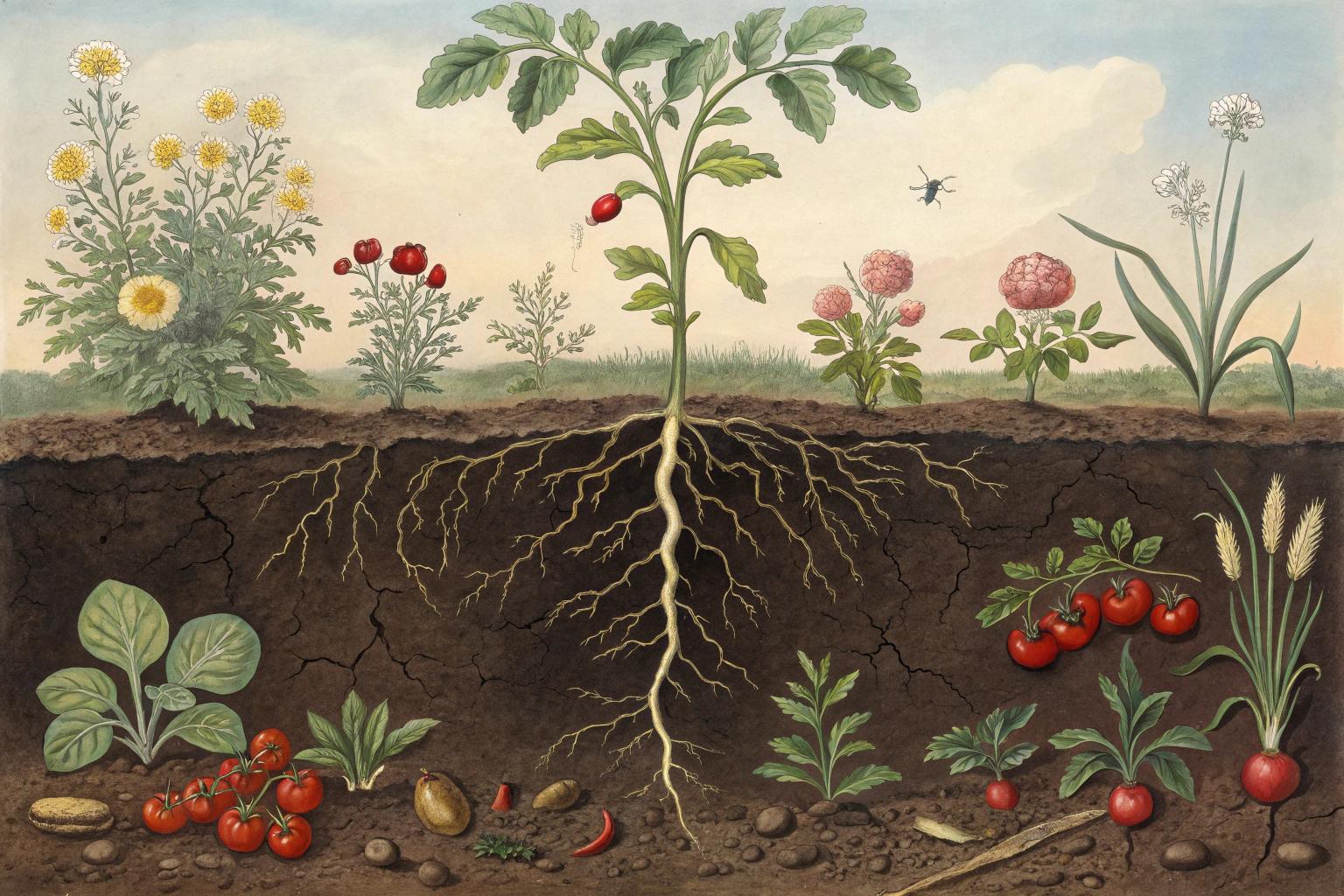
Soil that drains but stays moist grows sweeter carrots and calmer tomatoes. Ideal bulk density for loams sits near 1.1 to 1.3 g per cubic centimeter, per NRCS soil quality notes.
I skip deep tillage after bed formation and feed the soil surface. Compost mulch at 1 inch, about 2.5 cm, keeps aggregates intact and worms on payroll.
Cover crops are the unpaid crew
I sow oats and crimson clover after summer harvest. Oats winterkill and lay down a soft mat, while clover fixes nitrogen for spring transplants.
Roll, crimp, or chop and drop, then plant through. The bed wakes up faster with better water retention and fewer weeds.
Buying guide: bagged and bulk soil without regrets
Ordering bulk saves money. 1 cubic yard equals 27 cubic feet, about 765 liters or 0.76 cubic meters.
Volume math is simple: length x width x depth in feet divided by 27. A 4 by 8 bed filled to 1 foot needs 1.19 yards, so I order 1.25.
- Read the ingredient list: Look for compost source, screened topsoil, and aeration minerals. Avoid mixes heavy in uncomposted wood fines.
- Look for independent certifications: OMRI listing helps for organic production. A posted analysis with pH, EC, and organic matter shows transparency.
- Screening matters: 3 to 10 mm screen yields smoother beds and even moisture. Rocks slow carrots and turnip roots.
- Smell test: Sour or ammonia smells flag immature material. I pass on those pallets.
Fertilizer strategy that respects biology
I aim low and steady. A pre-plant organic 4-4-4 across the bed, then side-dress fruiting crops with a 5-7-7 or 5-10-10 at first flower.
Too much nitrogen writes you a jungle and no fruit. Leaf tips burn and soil microbes complain.
Common mix problems and my quick fixes
Hydrophobic surface: Dusting of compost plus a light rake-in, then a thorough soak with a breaker nozzle. Crusting: Add fine bark fines or coco coir and protect with straw mulch. Keep raindrop impact off bare soil. Settle and sink: Top up raised beds with 1 part compost to 2 parts soil each spring. Yellow leaves, slow growth: Check salt and pH, then feed modestly with fish hydrolysate or a balanced organic.
- Hydrophobic surface: Dusting of compost plus a light rake-in, then a thorough soak with a breaker nozzle.
- Crusting: Add fine bark fines or coco coir and protect with straw mulch. Keep raindrop impact off bare soil.
- Settle and sink: Top up raised beds with 1 part compost to 2 parts soil each spring.
- Yellow leaves, slow growth: Check salt and pH, then feed modestly with fish hydrolysate or a balanced organic.
Mycorrhizae, inoculants, and reality checks
Transplants often arrive colonized if the media and environment suit them. High phosphorus suppresses mycorrhizal partnerships, as Washington State University horticulture notes.
I reserve inoculants for sterile mixes or brand-new beds with low P. In rich, compost-fed beds, the native biology wakes up on its own.
Crop-by-crop tweaks that pay off
Tomatoes: Add 1 cup gypsum per plant hole for calcium without raising pH. Mulch deeply to buffer moisture swings. Carrots: Sow in sandy loam with minimal fresh compost. Big chunks fork roots, so I sift the top 2 inches, about 5 cm. Leafy greens: Higher compost fraction and steady nitrogen give tender leaves. Keep pH near 6.5 for spinach uptake. Peppers: Warm soil, rich organic matter, and a light top-up of potassium at fruit set. Avoid overwatering to keep flavor tight. Potatoes: Slightly acidic bed and fluffy, straw-heavy mulch. I hill with compost and leaf mold for clean skins.
- Tomatoes: Add 1 cup gypsum per plant hole for calcium without raising pH. Mulch deeply to buffer moisture swings.
- Carrots: Sow in sandy loam with minimal fresh compost. Big chunks fork roots, so I sift the top 2 inches, about 5 cm.
- Leafy greens: Higher compost fraction and steady nitrogen give tender leaves. Keep pH near 6.5 for spinach uptake.
- Peppers: Warm soil, rich organic matter, and a light top-up of potassium at fruit set. Avoid overwatering to keep flavor tight.
- Potatoes: Slightly acidic bed and fluffy, straw-heavy mulch. I hill with compost and leaf mold for clean skins.
Anecdotes from beds that refused to quit
One summer, a pepper bed with 10 percent biochar rode out a heat wave at 99 F, 37 C, without blossom drop. The adjacent bed without biochar needed daily rescue and still lagged by two weeks.
Another year, I swapped peat for coco in containers and cut watering by a third. The basil stayed lush, and the soil smelled like chocolate and the sea after every rain.
Mulch: the quiet multiplier
I blanket beds with 2 to 3 inches of shredded leaves or clean straw, about 5 to 7.5 cm. Evaporation drops, soil cools, and earthworms run night shift.
RHS and multiple university extensions back organic mulches for water savings and weed control. I notice fewer disease splash events on tomatoes as a bonus.
Compost sources that never burned me
I always test a small bed before a full spread. Aminopyralid and similar herbicides can hide in straw and manure streams and wreck tomatoes for a season.
Numbers I trust, with sources worth your time
“Most vegetables grow best in slightly acidic soil with a pH between 6.0 and 7.0,” Cooperative Extension publications reiterate across states.NRCS soil quality notes place optimal loam bulk density roughly 1.1 to 1.3 g per cubic centimeter for root growth and gas exchange.The Royal Horticultural Society encourages peat-free choices to protect carbon-rich bogs and biodiversity while delivering reliable plant growth.
Top shortlists for fast decisions
Best ratios by need Clay breaker: 50 percent loam, 30 percent compost, 10 percent fine bark, 10 percent pumice Sandy soil lifter: 50 percent loam, 40 percent compost, 10 percent vermiculite Tomato bed: 55 percent loam, 30 percent compost, 10 percent pumice, 5 percent biochar Root crop bed: 50 percent loam, 20 percent compost, 20 percent sand or fine grit, 10 percent vermiculite Salad greens: 45 percent loam, 40 percent compost, 15 percent coir
Seasonal tune-ups
Spring: amend gently, plant, then mulch after seedlings root. Summer: side-dress heavy feeders and keep the soil shaded.
Fall: sow cover crops or spread 1 inch compost. Winter: let freeze-thaw and microbes do quiet work while you sharpen pruners.
My planting-day checklist
Confirm moisture: soil holds together but doesn’t smear Verify pH if the last crop complained Set transplants into a pre-wet hole with a compost ring Water in with a kelp or humic acid drench Mulch and label
A note on flavor and the underground kitchen
Great tomatoes and greens taste like the soil culture that raised them. Feed the microbes, and they feed the plants, like a line cook with knives flying and a clock ticking.
Mycelium networks stitch it together in a way that feels a bit psychedelic and very practical. I stand there at dusk, pinch a leaf, and the bed answers back.
Cheatsheet: Optimal Soil Choices for Abundant Harvests
Loamy Texture
Achieve a balance of 40% sand, 40% silt, and 20% clay for ideal soil structure.
Organic Matter
Incorporate 2-5% by volume using compost or well-rotted manure.
pH Target
Aim for a pH between 6.0 and 7.0 for most crops.
Drainage Strategy
Ensure soil holds moisture but drains adequately without sogginess.
Infiltration Tests
Perform squeeze tests and jar texture tests to evaluate soil composition.
Amendment Plan
Add garden lime or sulfur to adjust pH, and boost fertility with organic matter.
Mix Ingredients
60% screened topsoil, 30% finished compost, and 10% perlite or coarse sand.
Quality Focus
High-quality soil enhances nutrient density and disease resistance, increasing yields.
Tools Needed
Soil test kit, garden fork, wheelbarrow, shovel, rake for effective soil preparation.
Mix Creation Steps
Test soil, measure and combine ingredients, blend thoroughly, then adjust pH.
Want a more guided way to practice soil for a vegetable garden?
Frequently Asked Questions: Preparing the Ideal Growing Medium for Vegetables
How can I tell if my growing medium drains well enough for vegetables?
Good drainage helps roots access oxygen and prevents rot. After watering, squeeze a handful of moist medium: if it holds together but crumbles when poked, the balance is right. Puddling or soggy patches signal poor drainage. Mix in coarse sand or compost to open up heavy clay.
What amendments should I add before planting?
Amend with compost or well-rotted manure to provide organic matter and nutrients. Add lime to raise pH for crops like cabbage, or sulfur to lower it for potatoes. Conduct a simple test to spot any specific deficiencies, then apply balanced organic fertilizers as needed.
How often should I test my planting medium?
Test once before planting each season, and again every 2-3 years. This approach helps you track changes and adjust nutrients or pH as crops use them up or rain leaches them away.
Which pH range do edible crops prefer?
Most vegetables thrive between 6.0-7.0 pH. Crops like beans and carrots tolerate the lower end (slightly acidic), while brassicas prefer closer to neutral. Use a pH test kit and amend if readings fall outside this window.
How do temperature and moisture affect the growing medium?
Microbes break down organic matter fastest when the planting medium warms above 55°F (13°C). Consistent moisture, damp like a wrung-out sponge, helps roots absorb nutrients. In hot, dry weather, mulch conserves moisture and shields roots from temperature swings.
Do raised beds need special preparation?
Raised beds warm up earlier in spring and drain quickly. Mix in extra compost to hold moisture, and check drainage by filling beds with water and timing how fast it drains. Add leaf mold or coconut coir if sandy soils dry out too fast.
Conclusion
Great soil for a vegetable garden isn’t complicated: just honest. Start with a loose, crumbly texture, add organic matter like compost, and make sure drainage is on point. Keep an eye on pH and feed the soil, not just the plants. If you want a bit more flavor, try recycling cooking liquids as fertilizer or explore companion planting for a natural boost. Remember, the backbone of any bounty: tomatoes, beans, or beets: starts with the dirt beneath your boots. Do right by your soil, and the garden will pay you back in spades.