Gardening Apps That Help Grow Your Best Vegetable Garden
Gardening Apps
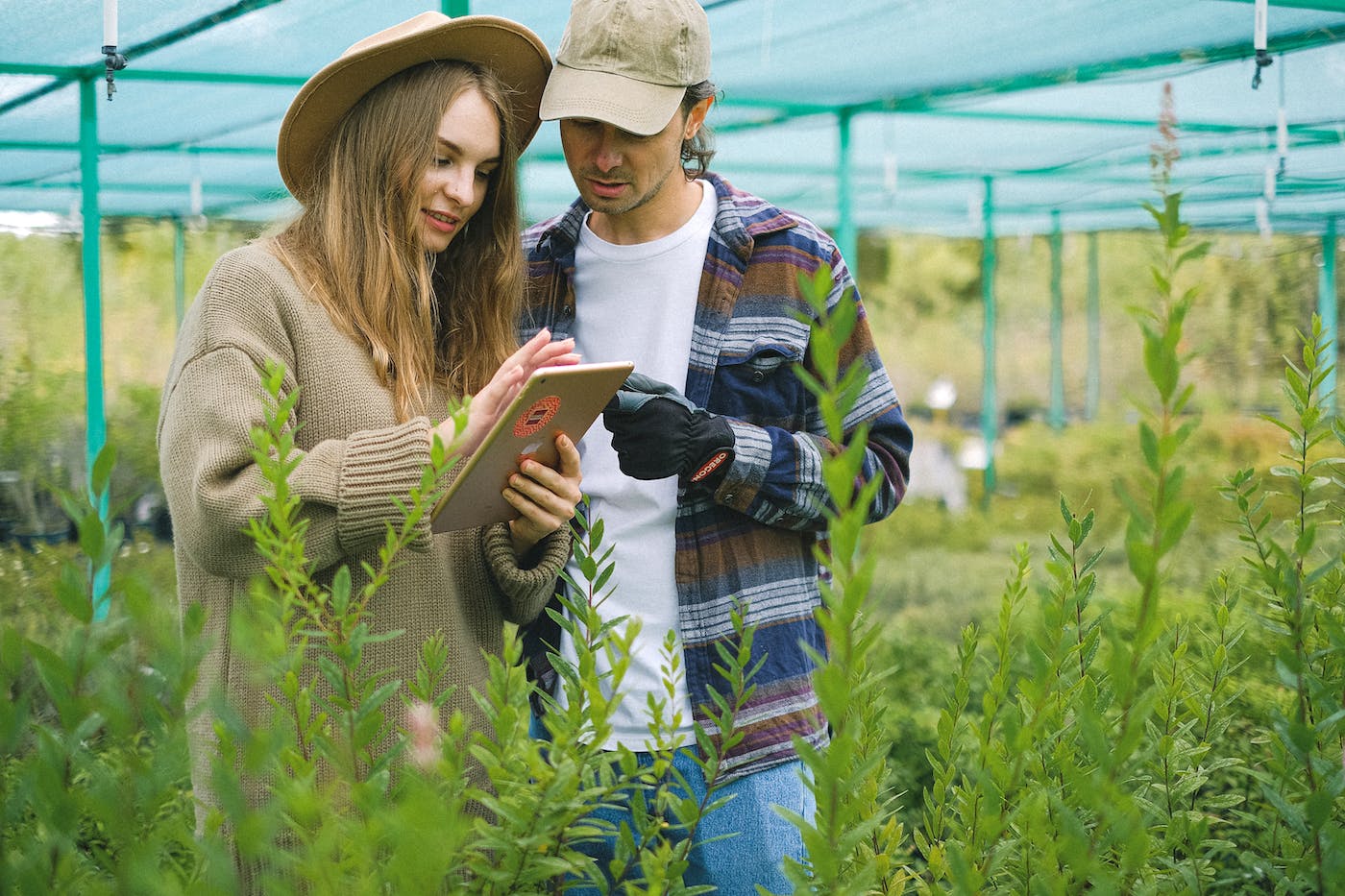
rab your phone and sharpen your spade: gardening apps can simplify planting schedules, identify pests instantly and keep your beds thriving. Research shows gardeners using gardening apps harvest up to 20% more produce through smart planting advice and timely maintenance alerts. Keep scrolling to uncover which apps genuinely boost your bounty and make gardening effortless and fun.
Table of Contents5 sections
Why Vegetable Gardening Apps Earned a Permanent Spot on My Home Screen
Community & Inspiration
Connecting with fellow vegetable nerds through apps like GardenTags and GrowIt!, swapping tips, stories, and commiseration over failed harvests, and gaining communal wisdom such as advice that improved broccoli yield by 50%.
Garden Journals & Reminders
Tracking when you watered, fertilized, or tended plants with apps like Garden Manager, using notifications that gently nudge you and help avoid underwatering catastrophes or overly enthusiastic drownings.
Plant Identification & Troubleshooting
Using apps like PictureThis and Plantix for photo-based pest and disease identification, instantly diagnosing issues such as aphids and providing eco-friendly solutions, saving valuable hours of anxious Googling.
Planning & Planting
Overhauling planting routines with tools like Veggie Garden Planner, using drag-and-drop layouts to visualize companion planting and tailored planting calendars based on exact location to avoid late frosts or scorched seedlings.
I used to scribble plant dates and watering schedules on faded scraps of paper stuffed in pockets. Inefficient, messy, and a real hassle when planting season hit full throttle.
Enter gardening apps, the digital assistants that streamlined my backyard vegetable patch and rescued my sanity. Let me share the apps that saved my tomatoes, and, frankly, my dignity.
Before choosing your apps, clarify your gardening goals. Are you tracking plant growth, troubleshooting pests, or planning crop rotation?
I've found apps break down neatly into categories:
Knowing your objectives first saves frustration later, trust me on this one.
My first season using Veggie Garden Planner, I overhauled my entire planting routine. Its drag-and-drop interface allowed me to visualize companion planting clearly; suddenly, my basil flourished alongside tomatoes with gusto.
Another standout: Gardenize. It offered tailored planting calendars based on my exact location: no more panicked late frosts or scorched seedlings in August heat waves (think 95°F / 35°C crises).
Last summer, aphids invaded my kale like drunken pirates. Panicked, I turned to PictureThis, an ID app that diagnosed the pest instantly and served up eco-friendly solutions.
Similarly, Plantix offers photo-based pest and disease identification, saving valuable hours of anxious Googling. Nothing beats snapping a pic and having an answer appear before your eyes.
Keeping track of when I watered, fertilized, or just stared lovingly at my zucchini got easier with Garden Manager. Notifications nudged me gently, avoiding both underwatering catastrophes and overly enthusiastic drownings.
I've realized, after years of forgetting critical tasks, that reminders truly keep vegetable gardens alive, and marriages harmonious.
Gardening sometimes feels solitary. Apps like GardenTags and GrowIt! connect me with fellow vegetable nerds, swapping tips, stories, and genuine commiseration over failed carrot harvests.
I once received advice from a gardener in Scotland who improved my broccoli yield by 50%. The communal wisdom, shared freely, is priceless.
Pick apps that align with your gardening style and goals. Experiment: you’ll quickly discover what fits your rhythm and enriches your vegetable-growing experience.
The best gardening apps aren't gimmicky tech; they're practical allies, simplifying tasks, keeping you sane, and helping you cultivate a thriving, productive garden.
Cheatsheet: Grow Top Veggies With Smart Apps
Best Gardening Apps
Planter: Visual garden design, companion planting guides, frost calculator.
Health, Nutrition & Self-Sufficiency
Homegrown veggies retain up to 50% more nutrients, according to USDA.
Growing Calendar Automation
Input Zip/Postal code for tailored planting dates.
Pest & Disease Alerts
Photo-diagnosis saves 70% of failing crops: according to Plantix data.
Tools and Products You’ll Need
Smartphone or tablet (iOS/Android), reliable Wi-Fi.
Steps to App-Powered Veggie Harvest
Download 1-2 apps, input growing zone, map beds, and track progress.
Want a more guided way to practice gardening apps?
Frequently Asked Questions About Gardening Apps
How can gardening apps help me plan my vegetable garden?
Gardening apps guide your garden planning process by enabling you to select crop types, layout your beds, and determine optimal plant spacing. They often suggest companion plants and track crop rotation, helping you maximize yield and soil health season after season.
Do gardening apps work offline or require constant internet connectivity?
Many gardening apps offer offline functionalities, allowing users to access saved garden plans, plant databases, and calendars without internet access. Updating plant information or accessing weather forecasts, however, usually requires an active internet connection.
Can gardening apps assist with pest and disease identification?
Yes, numerous gardening apps provide pest and disease identification tools. Users upload photos or input symptoms, and the app identifies potential issues and recommends appropriate organic treatments or preventive measures to protect plant health.
Will gardening apps notify me about watering and fertilizing schedules?
Many gardening apps include customizable reminders for watering, fertilizing, and pruning. These alerts factor in plant-specific needs, weather conditions, and your geographic location to optimize plant care and growth.
Are gardening apps suitable for both beginners and experienced gardeners?
Gardening apps cater to gardeners of all experience levels. Beginners benefit from step-by-step guidance, planting calendars, and care instructions, while experienced gardeners gain from advanced planning features, plant databases, and detailed analytics recommended by seasoned horticulturists.
Do gardening apps accommodate different climate zones and growing conditions?
Yes, reputable gardening apps typically adapt to various climate zones and growing conditions, providing localized planting guides, frost dates, and weather-sensitive advice tailored to your specific geographic region and climate conditions (e.g., temperatures in Fahrenheit and Celsius).
Are gardening apps expensive or are there free options available?
A variety of gardening apps exist ranging from free basic versions to premium paid subscriptions. Free apps typically offer essential planning tools and plant information, while subscription-based apps include comprehensive features such as detailed analytics, advanced planning capabilities and personalized gardening consultation options.
How accurate are planting calendars provided by gardening apps?
Gardening apps use reliable agricultural data and regional climate statistics to produce accurate planting calendars. To maintain precision, always input your specific location and update the app regularly for the latest seasonal information.
Conclusion
Gardening Apps have shifted how we plan, plant, and savor our vegetable gardens. With just a few taps, you can track sowing dates, diagnose plant woes, and map out beds for the best yields. These handy tools can help you dodge common missteps, remember what grew best, and even remind you when to water or feed. If you want to keep pushing your skills, check out tips on maximizing your spring gardening efforts or read up on the latest innovations in vegetable gardening to keep your plot thriving. Good tools make light work, and these digital companions can make your harvests richer, your beds healthier, and your time more rewarding. Grow smart, stay curious, and let Gardening Apps do some of the heavy lifting, so you can focus on the dirt under your nails and the flavor on your plate.


