Zone 12 Planting Guide: Ideal Plants for Warm Climates
Zone 12 planting guide
ant lush tropical foliage or abundant fruit trees in your sun-soaked Zone 12 garden? This Zone 12 planting guide shows you exactly what grows best in your warm, balmy climate. Match plants like mango, hibiscus, or vibrant heliconias to your region's consistent heat and humidity, and see your garden truly thrive. Here's how to select, plant, and nurture greenery that loves life in Zone 12.
Table of Contents1 sections
- Section 1· 8 min
Section 1
I grow where winter feels like a rumor and the soil never cools past lukewarm. That is Zone 12, a place defined by balmy nights and relentless light.
That single number shapes everything, since cold rarely resets pests, flowering, or disease pressure. I plan around night temperatures, vapor pressure deficit, and evapotranspiration more than “how hot it gets.”
Daytime heat is easy, night heat is tricky, because many crops need cooler nights to set fruit. Manage VPD by pairing morning irrigation with afternoon shade so leaves can breathe without cooking.
Dry-season evapotranspiration can top 0.24 to 0.32 inches per day, which drains shallow soils fast. Mulch becomes insurance, not decoration.
I plant in layered canopies to keep roots cool and foliage healthy. Here are workhorses that handle heat, salt, and sudden downpours.
I stack canopies to cool soil, break wind, and feed microbes. A simple guild works everywhere I have tried it.
Many Zone 12 soils are sandy or highly weathered with low cation exchange capacity, so nutrients leach fast. I add biochar charged with compost tea and layer 3 to 4 inches of mulch, about 7.5 to 10 cm.
Use drip lines under mulch and a simple smart timer that waters at dawn. In long dry spells, I spot-cool with micro-sprinklers before sunrise to knock leaf temps down a notch.
For palms and many fruit trees, a slow-release blend weighted to potassium avoids leaf burn and keeps fruit firm. I have had consistent results with an 8-2-12 plus magnesium and micronutrients applied 3 to 4 times per year.
Continuous warmth means continuous pests, so I build redundancy. Airflow, sanitation, and timing do half the work.
I budget weekly irrigation by canopy footprint and expected ET rather than a guess. A mature mango here takes roughly 15 to 25 gallons per week in the dry season, about 57 to 95 liters, split into two deep sessions.
Bananas drink more, so I feed 3 to 5 gallons per plant every other day, 11 to 19 liters, and adjust with mulch depth and wind. If rain is pounding daily, I shut everything off and watch leaf color.
Zone 12 has wet and dry, not cold and warm, so I plant to dodge disease peaks. I set tomatoes and cucurbits at the start of the dry spell, then ride peppers and eggplant through the sticky months.
I time mango and avocado pruning right after harvest to steer the next bloom into the dryer shoulder. That single cut can save a crop.
Dry season start: tomatoes, cucumbers, beans, melons, papaya transplants, pineapple. Wet season start: okra, taro, cassava, sweet potatoes, ginger, turmeric, bananas, cacao under shade.
Prune mango and avocado right after harvest. Graft citrus, mango, and avocado when nights stay above 68 F, 20 C.
I have cooked roots with overkind irrigation and watched a mango split from one missed watering, then fixed both with mulch and schedule. The climate is forgiving if you respect water, airflow, and the right genetics.
Grow for your nights, mulch like you mean it, and let the canopy do the cooling. The fruit will tell you when you get it right.
- Mango: choose compact, disease-tolerant types like ‘Pickering’, ‘Carrie’, ‘Nam Doc Mai’. Prune post-harvest to time next bloom away from peak wet months.
- Banana: ‘Dwarf Namwah’, ‘FHIA-17’, ‘Praying Hands’. Space 8 to 10 ft apart, feed heavy potassium, and strip old leaves to limit black leaf streak.
- Papaya: hermaphrodite lines like ‘Red Lady’ fruit fast. Replant every 3 years for quality and keep trunks staked before cyclones.
- Avocado: West Indian types like ‘Simmonds’, ‘Lula’, ‘Russell’ shrug off heat and salt better than Guatemalan lines.
- Citrus: key lime and Tahiti lime thrive, calamondin too. Many oranges color poorly in constant warmth, so manage expectations.
- Breadfruit: ‘Ma‘afala’ for compact trees and dense, starchy fruit. Plant with deep mulch and a windbreak.
- Starfruit: ‘Kari’ and ‘Sri Kembangan’ are heavy bearers. Fruit splits if irrigation swings wildly, so keep soil moisture steady.
- Guava: select fruit fly tolerant types and bag fruit early. Guava laughs at heat if you keep the canopy open.
- Passionfruit: ‘Possum Purple’ handles humidity. Trellis high for airflow and replace vines every 3 to 4 years.
- Pineapple: plant by the dozen, feed light but often. Slips and suckers beat crowns for speed.
- Cacao: use banana or gliricidia as nurse shade for two years. Choose productive clones like ICS-95 or CCN-51 if you prize yield over nuance.
- Vanilla: vining orchid that prefers 30 to 50 percent filtered light. Hand-pollinate in the morning window and keep roots airy.
- Okra, eggplant, yardlong bean, chilies, roselle. They produce through steamy nights if soil stays evenly moist.
- Tomatoes: pick heat-set types like ‘Heatmaster’ or ‘Solar Fire’, or lean on cherries. Train on single-leaders for airflow and prune early blight leaves.
- Greens that act like perennials: Malabar spinach, katuk, chaya, Okinawa spinach, Egyptian spinach. They taste better than limp lettuce in August.
- Lettuce for shoulder seasons: ‘Jericho’ and oakleaf types under 30 to 40 percent shade cloth. Harvest young and keep trays sterile to dodge damping off.
- Roots and rhizomes: taro, cassava, sweet potato, turmeric, ginger, galangal. Mulch deep, mound for drainage, and keep seed pieces disease free.
- Herbs: lemongrass, holy basil, Thai basil, culantro, Cuban oregano, Mexican tarragon. Coriander bolts fast, so grow culantro for that flavor profile.
- Upper canopy: mango or breadfruit.
- Subcanopy: bananas or avocados.
- Shrub layer: hibiscus, pigeon pea for nitrogen and chop-and-drop mulch.
- Vines: passionfruit on a robust trellis.
- Groundcover: perennial peanut or sweet potato to smother weeds.
- Root zone: turmeric and ginger in the shadiest pockets.
- Plumeria, heliconia, bird of paradise, gingers, cordyline, croton. They crave full sun and steady potassium.
- Bougainvillea on lean soil for nonstop color. Overfeed and you get leaves instead of bracts.
- Palms: coconut, areca, traveler’s palm for drama that handles coastal wind. Plant away from structures, since fronds fall where they want.
- Shade cloth: 30 percent for tomatoes and peppers, 40 to 50 percent for cacao and vanilla. Pull it tight so storms do not shred it.
- Reflective mulch around solanums to reduce whitefly and heat stress. I switch to organic mulch once the canopy closes.
- Whitewash young trunks with interior latex diluted 1:1 to prevent sunscald. It looks odd for a week, then you forget about it.
- Windbreaks: clumping bamboo, vetiver, or native Casuarina rows reduce transpiration and protect flowers.
- Coastal salt: hedge with sea grape, beach morning glory, or hibiscus tiliaceus on the sea side, then tuck sensitive trees behind.
- Fruit flies: bag individual fruit, hang protein traps, harvest early. Avoid letting a single fruit rot on the ground.
- Banana leaf diseases: thin suckers to one mother and one daughter, strip spent leaves, and keep mulch off the pseudostem.
- Mango anthracnose: prune into a vase, copper at panicle emergence if humidity spikes, and pick rain-shedding cultivars.
- Soil-borne nasties: rotate with marigold and sunn hemp, solarize beds in the hottest month, and use grafted seedlings if available.
- Biologics: Bacillus subtilis and Beauveria bassiana fit well in this climate. Oil and soap sprays at sunrise spare pollinators.
- Pick grafted trees with clean unions and vigorous scion wood. Avoid pot-bound roots spiraling the container.
- Choose local selections with known disease tolerance. Ask nurseries about provenance, rootstock, and chill requirements.
- Order liners and plugs for gingers and turmeric early in the dry season. They root fast once soil stays above 75 F, 24 C.
- For passionfruit and dragon fruit, insist on named cultivars. Seedlings vary wildly and waste trellis space.
- Quarantine new arrivals for two weeks. A single mealybug hitchhiker can infest an entire shade house.
- Fruit trees: split feedings every 6 to 8 weeks in the growing season, lighter in the wettest months. Target N-P-K around 6-3-16 or 8-3-9 depending on leaf tests.
- Palms: 8-2-12 plus Mg with minors, broadcast to the dripline, water in. Deficiency stripes on older leaves point to magnesium and potassium shortfalls.
- Vegetables: steady compost plus calcium nitrate for fruiting crops, then swap to potassium nitrate as clusters set. Foliar micros after heavy storms.
- Soil health: biochar at 5 to 10 percent of bed volume, pre-charged with compost extract. It boosts CEC and tamps down leaching.
- Pigeon pea hedgerows feed bees, fix nitrogen, and become mulch with one cut. They also shelter young cacao and peppers.
- Banana circles around greywater outlets turn waste into sugar and biomass. The pits swallow storm runoff like a hungry mouth.
- Living groundcovers like perennial peanut cool the soil 5 to 10 F, 3 to 6 C, on scorch days. That alone prevents blossom drop in peppers.
- Morning-only micro-mist during heat spikes drops leaf temperature without inviting foliar disease. Shut it off by 10 a.m.
- Overwatering in the wet season invites root rot. Water deep, then wait, and let mulch do its job.
- Feeding citrus high nitrogen in steamy months makes soft, pest-magnet growth. Stay balanced and lean on micronutrients.
- Planting heat-soft tomatoes without heat-set genetics wastes trellis time. Choose the right cultivar or grow cherries.
- Skipping windbreaks near the coast leads to snapped leaders and scorched leaves. A cheap row of vetiver saves thousands in trees.
- Mango: 15 to 20 ft, 4.5 to 6 m, keep to 12 ft, 3.6 m, with annual pruning.
- Banana: mats at 8 to 10 ft, 2.4 to 3 m, one mother and one daughter per mat.
- Papaya: 7 ft, 2.1 m, tri-plant holes and thin to the best hermaphrodite.
- Cacao: 9 to 12 ft, 2.7 to 3.6 m, 40 percent shade the first two years.
- Vanilla: bright shade, 30 to 50 percent, train on rough-barked posts for easy pollination.
- ‘Dwarf Namwah’ banana
- ‘Pickering’ mango
- ‘Red Lady’ papaya
- ‘Simmonds’ avocado
- Key lime
- ‘Kari’ starfruit
- Pineapple slips
- Passionfruit ‘Possum Purple’
- Cacao ICS-95 under banana shade
- Turmeric rhizomes
- Malabar spinach
- Lemongrass
Cheatsheet: Zone 12 Warm Climate Planting
Suitable Plant Picks
Fruits: Mango, papaya, banana, guava, passionfruit
️ Planting Conditions
Yearly lows: 50-65°F (10-18°C)
Tools and Products You'll Need
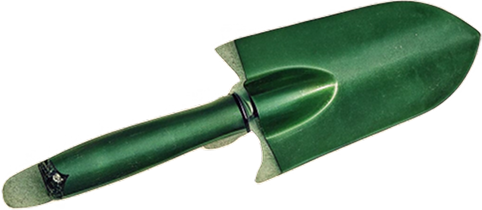
Sturdy trowel, pruner, watering system, compost
Fast Steps for Success
Check soil, prep beds, plant at dawn, mulch, water deeply.
️ Grow for Nutrition & Self-Sufficiency
100+ lbs (45+ kg) food possible per season, rich in nutrients
Want a more guided way to practice zone 12 planting guide?
Frequently Asked Questions About Zone 12 Gardening
What edible crops thrive best in Zone 12 conditions?
Zone 12's intense heat and humidity call for bold, tropical-loving crops. Opt for sweet potatoes, taro, cassava, bananas, papayas, and passionfruit. These plants relish scorching temperatures and reward gardeners with delicious bounty. Think adventurous edibles rather than temperate standards; your garden becomes a flavorful refuge.
Can herbs survive the relentless heat of Zone 12?
Heat-defiant herbs like lemongrass, basil, turmeric, ginger, and Cuban oregano thrive magnificently. Position these robust aromatics in well-draining beds or pots. Consider lightly shading them during peak afternoon sun to prolong their aromatic productivity.
How can gardeners improve soil health in extreme tropical climates?
Build fertility aggressively through continual applications of compost, mulch, and cover cropping. Organic matter degrades rapidly in Zone 12, so regular replenishment fortifies soil structure, increases moisture retention, and nurtures beneficial microbial life.
What flowering plants can handle Zone 12's heat intensity?
Choose vibrant, resilient bloomers like hibiscus, bougainvillea, frangipani, heliconia, and bird of paradise. These plants luxuriate in heat, blooming profusely under relentless sunlight. Regular watering and occasional pruning maintain their vitality and visual impact.
Are raised beds advantageous in Zone 12?
Raised beds provide excellent drainage and soil management in the humidity-heavy climate of Zone 12. Construct beds from local hardwood or stone, fill with rich soil and compost, and mulch heavily. The increased airflow and moisture control support vigorous plant growth and reduce disease pressures.
How does the rainy season affect planting schedules?
Align your planting with the seasonal rhythms; commence planting fruiting and flowering plants just before the monsoon rains start. Young plants benefit from abundant rainfall, establishing robust root systems quickly. During drier periods, prioritize drought-tolerant or irrigated crops to optimize growth.
Conclusion
Zone 12 is a playground for growers who crave tropical flavors, bold colors, and year-round bounty. The secret? Pick heat-loving plants that soak up sun and thrive in balmy nights. From papayas and bananas to plumeria and hibiscus, your options are as lush as the climate. Don’t forget to keep an eye on water: smart irrigation and water conservation matter, even here. For edible gardens, lean into nutrient-dense vegetables that handle the heat. This Zone 12 planting guide isn’t about following rules. It’s about reading the sun, knowing your soil, and letting bold plants do what they do best. Grow what excites you, and let the tropics work their magic.


