How to Grow Berries

Berries thrive in full sun, steady moisture, and mulch; plant after frost in soil that drains well. Berries root best in loam with compost; space bushes 1–1.5 m and canes 60–90 cm. Berries vary by pH: blueberries 4.5–5.5; raspberries/strawberries 5.5–6.5; all need 6–8 hours and winter pruning. Stick around—we’ll map varieties, feeding, and pests so your patch earns a spot on the breakfast table.
Berries: site, soil, sun
I plant Berries where the dog naps in winter and where I squint in July, which is my shorthand for full sun. Most fruiting canes and shrubs need 6 to 8 hours of direct light to color up and sweeten properly.
Soil comes first, because it decides everything later. I aim for a loose, living loam with 5 percent organic matter and excellent drainage.
I keep a simple habit that has rescued many plantings. Test soil every other year, then amend with composted leaves, aged bark, and a sprinkle of rock phosphate if the report calls for it.
pH, the quiet tyrant
pH controls nutrient availability, and different Berries speak different pH dialects. Blueberries want 4.5 to 5.2, raspberries and strawberries thrive near 6.0 to 6.5, and currants tolerate up to 7.0.
University of Maine Cooperative Extension and Cornell both underline these numbers, and their field guides match my field notes. If I see pale foliage with green veins on blueberries, I read it as high pH-induced iron lockout, then lower pH with elemental sulfur at 1 to 2 pounds per 100 square feet, or 0.5 to 1 kg per 10 square meters.
Water and drainage
Consistent moisture gives consistent fruit, but soggy soil invites root rot. I target 1 to 1.5 inches of water weekly, or 25 to 38 mm, delivered by drip on a timer.
Raised beds solve slow drainage on clay. Twelve inches high, or 30 cm, filled with barky compost and sandy topsoil has saved me from Phytophthora more than once.
RHS guidance: “Berries fruit best in full sun with moist, well-drained soil.” Consistency beats intensity for both watering and feeding.
Choose your Berry, choose your system
I grow three families for most clients because they cover early to late season and suit varied soils. Each has quirks worth respecting.
Strawberries
June-bearing types yield once, heavy, and make jam days; day-neutral types fruit all season at a slow drumbeat. I space crowns 12 to 18 inches apart, or 30 to 45 cm, in rows 30 inches apart, or 75 cm.
Keep crowns at soil level to avoid rot. Mulch with clean straw at 2 inches, or 5 cm, to hold moisture and keep berries clean.
Blueberries
They are ericaceous shrubs that want acidity and even moisture. I plant highbush varieties 4 to 5 feet apart, or 1.2 to 1.5 m, and mix in peat-free acidic mulch like pine fines and conifer needles.
A mycorrhizal inoculant can speed establishment on poor soils. I keep the first season flowers pinched to push roots and wood, not Instagram moments.
Raspberries and blackberries
Primocane raspberries fruit on first-year canes, while floricane types fruit on second-year canes. That single distinction changes pruning and your harvest calendar.
I trellis canes on a simple T-post and two-wire system at 3 and 5 feet, or 0.9 and 1.5 m, to keep rows narrow and pickable. Good air flow prevents cane diseases more effectively than any spray I own.
Currants and gooseberries
They tolerate part shade and cooler summers. I use them along fences and north beds where blueberries sulk.
Spacing at 4 feet, or 1.2 m, gives room for renewal pruning. Expect tart fruit that bakes beautifully and freezes cleanly.
Uncommon but worthy
Elderberry, serviceberry, honeyberry, and alpine strawberry fill gaps other fruits leave. Honeyberries fruit early and handle cold down to roughly minus 40 F or minus 40 C, which wins respect in northern gardens.
Serviceberries taste like blueberry-meets-almond when picked dead ripe. Birds agree, so I net them the second the clusters blush.
Timing, chill, and climate fit
Chill hours measure how much cold a plant needs to reset and bloom on schedule. I match cultivar chill needs to local winter patterns, essentially pairing the lock to the key.
Low-chill blueberries like ‘Misty’ and ‘Sunshine Blue’ fit mild winters around 150 to 300 hours, or 7 to 0 C accumulation models, while northern highbush like ‘Bluecrop’ want 600 to 800 hours. Your county extension has local chill maps that I consult before I spend a dime.
USDA and land-grant guides put typical berry water needs near 1 inch per week, with yield losses when plants swing between drought and flood. Drip plus mulch reduces disease and saves water by up to 50 percent compared to overhead.
Containers and small spaces
Strawberries and blueberries excel in pots if you size them right. I use 12-inch, or 30 cm, pots for strawberries and 15 to 20 gallon, or 57 to 75 L, tubs for blueberries.
Potting mix matters more than the pot. I blend peat-free ericaceous mix with pine fines for blueberries and a compost-bark-perlite blend for strawberries, then I feed lightly and often.
Mulch, fertility, and the slow feed
Mulch changes fruit quality more than most fertilizers. I top off 2 to 3 inches, or 5 to 8 cm, of wood chips or pine needles yearly to hold moisture and moderate soil temperature.
Fertilize by tissue and soil tests, not vibes. For a baseline, I apply 0.1 to 0.2 pounds actual nitrogen per 100 square feet, or 50 to 100 g per 10 square meters, split spring to midsummer for cane fruit and post-bloom for blueberries.
Organic growers can use OMRI-listed fish hydrolysate or feather meal. Conventional gardeners often prefer a balanced granular at 5-5-5 to 10-5-5 in modest doses to avoid soft, bland fruit.
Pruning without fear
Blueberries fruit on 1 to 3-year-old wood. I remove low, twiggy stems, then keep 6 to 8 strong canes per bush and renew a couple each winter.
Primocane raspberries get mowed to ground level in late winter for a single fall crop. Floricane raspberries keep primocanes for next year and lose the brown, spent floricanes after harvest.
Blackberries: thin to 5 to 7 canes per plant and tip primocanes at 4 feet, or 1.2 m, to stimulate laterals. Laterals get cut back to 12 inches, or 30 cm, before spring to concentrate fruit.
Pests, disease, and netting that actually works
Birds read ripeness better than I do, so I use 15 to 20 mm mesh netting on a simple PVC hoop frame. Secure it tight to the ground or a starling will teach you humility.
Spotted wing drosophila loves soft fruit. I pick daily, chill fruit straight away, prune for light, and deploy fine-mesh exclusion where pressure is heavy.
For fungal issues like Botrytis on strawberries or cane blights on raspberries, sanitation beats chemistry. Remove spent fruit, keep rows narrow, and water at soil level early in the day.
Frost, heat, and weather whiplash
Strawberry blossoms can be damaged near 28 F, or minus 2 C. I throw frost cloth or clean straw over beds on radiational frost nights and uncover after sunrise.
Heat spikes above 95 F, or 35 C, can scorch berries and stall pollination. I use shade cloth at 30 percent on hoops and keep soil moisture steady to prevent bitter, seedy fruit.
Harvest and yield expectations
Strawberries yield roughly 0.5 to 1.5 pounds per plant, or 225 to 680 g, depending on type and age. Blueberries mature into 5 to 10 pounds per bush, or 2.3 to 4.5 kg, once established around year 3 to 4.
Raspberries often give 2 to 4 pounds per linear foot of row, or 3 to 6 kg per meter, with primocanes tuning the fall peak. Pick in the cool of morning, and never wash until just before you eat or freeze.
Top picks by goal and climate
- Small-space sweetness: ‘Albion’ day-neutral strawberries in 12-inch, or 30 cm, pots, steady fruit and firm texture.
- Cold-hardy container blueberries: ‘Northblue’ or ‘Top Hat’ with low chill and compact habit.
- Classic highbush flavor: ‘Bluecrop’ and ‘Duke’ for temperate climates with 600 to 800 chill hours.
- Low-chill blueberries for warm winters: ‘Misty’, ‘Jewel’, ‘Emerald’.
- Primocane raspberries for easy pruning: ‘Caroline’ or ‘Heritage’ for a reliable late crop.
- Thornless blackberries for easy picking: ‘Navaho’ or ‘Triple Crown’ on a two-wire trellis.
- Shade-tolerant tartness: red currant ‘Rovada’ with long trusses that freeze beautifully.
- Kid-proof groundcover: alpine strawberry ‘Mignonette’ that fruits from spring to frost.
- Pollinator-friendly hedging: elderberry ‘York’ and ‘Adams’ planted as a pair for fruit set.
- Early cold-climate novelty: honeyberry ‘Aurora’ and ‘Borealis’ for May harvests.
Buying guide and kit I actually use
- Soil test: annual or biennial from your extension office before major amendments.
- Acidifying amendments: elemental sulfur prills for blueberries, applied fall for spring effect.
- Mulch: pine needles or arborist chips, topped up to 2 to 3 inches, or 5 to 8 cm.
- Netting: 15 to 20 mm mesh, taut over hoops, with clips and ground pins to seal edges.
- Irrigation: 1 gph, or 3.8 Lph, drippers every 12 inches, or 30 cm, on a pressure-compensating line and a simple timer.
- Fertilizer: slow-release organic 5-5-5 for strawberries, acid-forming feed for blueberries.
- Trellis: T-posts and 12-gauge wire at 3 and 5 feet, or 0.9 and 1.5 m, with soft ties for canes.
- Pruners and a small folding saw: sharp steel saves plants and knuckles.
- Breathable frost cloth: 0.9 to 1.2 oz, or 30 to 40 gsm, for spring frosts on blossoms.
Propagation cheats
Strawberry runners will colonize any open inch, so I peg the best daughter plants into fresh spots and root them in 3 weeks. Raspberries sucker like teenagers, and I lift and replant those offsets in early spring with a spade and a grin.
Blueberries are slower, so I take semi-hardwood cuttings in midsummer, dip in IBA rooting powder, and set in a misted sand-perlite tray. It takes patience and a steady hand, but the first fruit on your own cutting tastes different.
My field notes on flavor vs yield
High yields can flatten flavor if you overwater or overfeed nitrogen. I lean slightly dry as fruit colors, then water deeply post-harvest to rebuild plant reserves.
Heavy mulch equals cleaner fruit and fewer weeds. It also cools soil, so in cold springs I pull mulch aside to warm beds faster, then push it back in summer.
Common problems and fast fixes
- Yellow blueberry leaves with green veins: pH too high. Add sulfur and use rainwater if your tap runs alkaline.
- Small, seedy strawberries: heat or water stress. Add shade cloth and steady moisture during ripening.
- Worms in raspberries: spotted wing drosophila. Pick daily, chill fruit, and use fine-mesh netting before fruit colors.
- Moldy berries: poor airflow. Thin plants, narrow rows, and water at soil level early in the day.
- Bird raids: loose netting. Seal edges and remove any fruit left inside the cage after picking.
Trusted references worth your time
Cornell Cooperative Extension berry guides cover pH, pruning, and cultivar choice with plain talk that matches field reality. University of Maine Cooperative Extension’s blueberry bulletins on acidity and nutrition have saved more shrubs than I can count.
The Royal Horticultural Society provides clear cultural notes on soft fruit, especially spacing and pruning. Washington State University and Oregon State University Extension publish pruning diagrams that make cane management click.
Final tasting note
I have chased perfect Berries from foggy coasts to high desert patios, and the winners share the same care: sun, air, acid where needed, and water on schedule. Do those well and the rest becomes simple, with stained fingers as your proof.
Plants

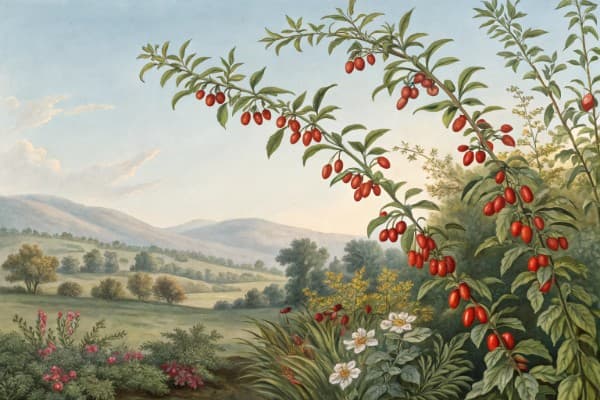
Growing Goji Berries for a Healthy, Productive Home Garden
Growing Goji Berries rewards gardeners with vibrant color, hardy bushes, and a tasty, nutrient-packed harvest. These resilient plants tolerate poor soil, withstand harsh winters, and thrive in full sun. With minimal fuss and a little patience, you'll soon enjoy handfuls of fresh, ruby-colored berries—read on to discover exactly how to plant, care for, and harvest your own goji berries at home.

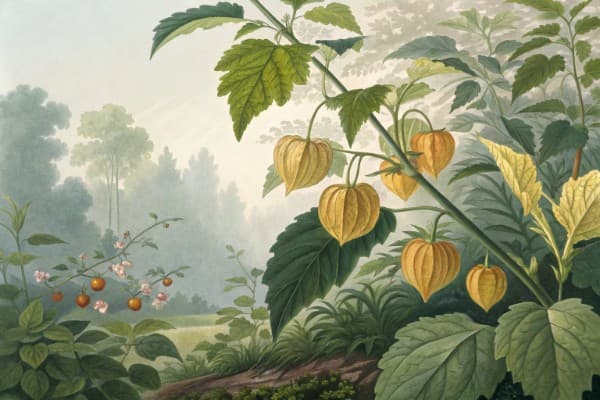
Growing Ground Cherries for a Sweet, Abundant Harvest
Growing Ground Cherries: start seeds indoors 6–8 weeks before last frost; transplant 18–24 inches apart in full sun. Growing Ground Cherries calls for warm soil, pH 6.0–6.8, steady moisture, and mulch to keep husks clean. For Growing Ground Cherries, expect 70–80 days to harvest from self-pollinating plants that drop fruit when ripe.Sweet, tropical notes—scoop up fallen husks and make jam, salsa, or eat them out of hand.