Citrus Peels for Natural Fertilizer and Pest Control
Citrus Peels
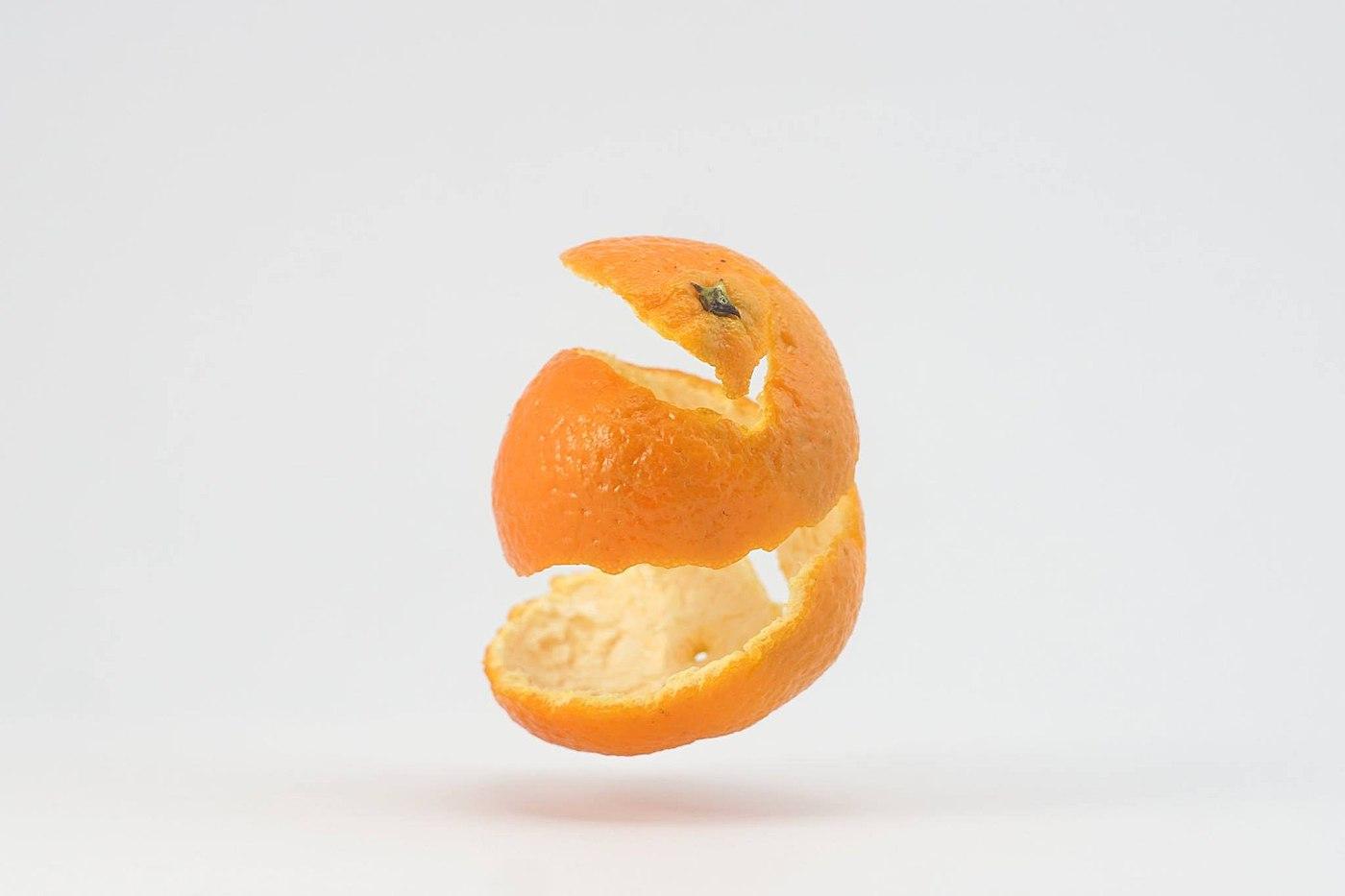
top chucking your citrus peels: those zesty scraps pack serious gardening punch. Citrus peels naturally repel aphids and ants, enrich compost with phosphorus and potassium, and boost acidic soil levels for thriving plants. Toss your leftover orange, lemon, or grapefruit skins straight into the soil or compost heap, and watch your garden thank you. Here's how your kitchen scraps can feed your backyard bounty.
Using Citrus Peels in Gardens
- Citrus peels in gardennatural pest control
- Repel aphids and ants
- Enrich compost nutrients
- Boost acidic soil levels
- Toss peels into soilfeeds garden
- Add peels to compost heapfeeds garden
- From kitchen to backyard bounty
Article mapOpen the visual summary
Using Citrus Peels in Gardens
- Citrus peels in gardennatural pest control
- Repel aphids and ants
- Enrich compost nutrients
- Boost acidic soil levels
- Toss peels into soilfeeds garden
- Add peels to compost heapfeeds garden
- From kitchen to backyard bounty
Table of Contents9 sections
Why I Never Toss Citrus Peels
- 1
Compost the peels
Break peels into smaller pieces for your compost bin so slow decomposition boosts soil fertility naturally.
- 2
Bury peels near plants
Chop peels and bury them around acid-loving plants like roses and azaleas for steady nutrition.
- 3
Brew citrus peel tea
Steep peels in water for a week, then dilute the darkened liquid 1:5 before watering plants.
- 4
Scatter fresh peel barriers
Scatter fresh peels around perimeter beds or plant bases to create a citrusy barrier bugs detest.
- 5
Spray with citrus water
Soak peel pieces in hot water overnight, strain into a spray bottle, and mist plants weekly.
I once watched my grandmother casually fling orange peels into her garden. Curious, I asked if she planned on growing citrus trees from composted scraps; instead, she answered me with a knowing wink, saying they keep pests away.
Years later, experimenting in my own garden confirmed her wisdom, turns out, citrus peels work wonders as both fertilizer and pest repellant.
Citrus peels brim with valuable nutrients that plants crave: nitrogen, phosphorus, potassium, magnesium, and calcium, plus they're abundant in organic compounds like limonene, an effective natural insect repellant.
Honestly, tossing these treasures in the trash is a waste of potential.
I've experimented with several ways to fertilize using citrus peels, and these three methods consistently produce thriving, velvety-green plants:
Few things irritate me more than pests munching my carefully cultivated greens. Citrus peels offer a gentle yet effective solution.
The natural compound limonene, released as the peel breaks down, repels aphids, ants, and mosquitos.
Here's how I effectively ward off pests:
As valuable as citrus peels have proven in my gardening adventures, moderation and proper use matter. Large quantities can overly acidify soil or slow compost breakdown due to their antimicrobial properties.
To avoid this, limit citrus peels to 15%-20% of your total compost content, and balance them with carbon-rich ingredients like dried leaves or shredded paper.
Also, always opt for organic fruits whenever possible, minimizing pesticide residues impacting your soil's beneficial organisms.
Years after that playful toss of an orange peel by a wise grandmother, I remain an advocate of citrus peels in gardening. They're versatile, effective, and environmentally-friendly, qualities I deeply value.
Using citrus peels makes gardening feel authentic and connected to natural rhythms, a subtle reminder that abundance often lies beneath our fingertips.
- Scatter Fresh Peels: Around perimeter beds or plant bases, creating a citrusy barrier bugs detest.
- Citrus Spray: Soak lemon, lime, or orange peel pieces overnight in hot water; strain into a spray bottle, and mist your plants weekly. Bugs vanish faster than you can say "organic gardening."
- 1
Composting
Break down peels into smaller pieces and toss them into your compost bin. The slow decomposition enriches the organic mix, boosting soil fertility naturally. - 2
Burying Directly
Chop peels roughly and bury them around the base of acid-loving plants: think roses and azaleas. Gradual breakdown provides steady nutrition. - 3
Citrus Peel "Tea"
Place peels in a jar of water, let steep for a week till the liquid darkens, then dilute at a 1:5 ratio with water before watering plants. Simple and potent.
Cheatsheet: Citrus Peels for Garden Power
Soil Enrichment Strategies
Utilize nitrogen, phosphorus, and potassium from peels by chopping them finely and mixing into the top soil.
Pest Repellent Techniques
Use limonene by scattering peel pieces around plants or creating a spray for natural pest control.
Gardening Sustainability
Reduce food waste and support organic growing by using all parts of citrus.
Necessary Tools and Materials
Gather citrus peels, a sharp knife, a compost bin, and a spray bottle for effective application.
Quick Steps for Citrus Peels Usage
Chop, steep, or compost citrus peel; apply extracts as soil or spray amendments every 2-3 weeks.
Essential Fast Facts
Peels are fully biodegradable, enhancing soil health without harming edible plants.
Want a more guided way to practice citrus peels?
Frequently Asked Questions about Using Citrus Peels in the Garden
How do citrus peels effectively nourish plants?
Citrus peels enrich plant soil naturally by decomposing and releasing beneficial nutrients like nitrogen, potassium, and phosphorus, essential for vibrant growth and flowering.
Can citrus peels help repel garden pests?
Yes, the strong aroma of citrus peels naturally deters common pests such as aphids, ants, and slugs. Strategically placing peels or applying them as a spray effectively keeps unwanted insects away.
What is the best way to prepare citrus peels for garden use?
To maximize their effectiveness, chop citrus peels finely or dry and grind them into powder form before adding them directly around plants or mixing into compost piles.
Are citrus peels safe for compost piles?
Yes, adding moderate amounts of citrus peels to compost helps balance acidity and promotes breakdown of organic material, enriching compost quality without negatively affecting beneficial microorganisms.
How long does it take for citrus peels to decompose in soil?
Typically, fresh citrus peels fully decompose within 3 to 6 months, depending on moisture, temperature (ideally between 60°F-80°F or 15°C-27°C), and peel size. Shredding the peels accelerates decomposition significantly.
Will citrus peels negatively affect soil acidity levels?
In small quantities, citrus peels slightly increase soil acidity, benefiting acid-loving plants like blueberries and azaleas. However, extensive use can overly acidify soils, so moderation is recommended.
Can citrus peels attract wildlife or rodents to the garden?
While the scent of citrus peels naturally deters insects, it may attract rodents or wildlife. To prevent this, bury or compost the peels thoroughly rather than scattering them openly on soil surfaces.
Conclusion
Citrus peels bring more to the table than a burst of color or a zingy scent. Toss them into your compost and watch them feed the soil, packed with potassium and phosphorus, they give your plants a quiet boost. Scatter them under tomatoes or roses to help keep slugs and aphids at bay. Just skip the big piles, chop or dry them first to keep things tidy. Waste less, grow more. If you're looking to work with dwarf trees or experimenting with seasonal fruits, citrus peels fit right in. The garden gives back what you put in, so save those peels, and let nature do the rest.