Plant Life Cycle: Annuals, Biennials, and Perennials Defined
Plant Life Cycle
nderstanding the plant life cycle helps you plan gardens that bloom harmoniously. Annuals explode into color quickly but die within a year, biennials take two seasons to flower, and perennials return reliably year after year. Mastering the distinct growth patterns allows gardeners to choreograph vibrant, healthy spaces. Stay tuned to grasp precisely how each life cycle impacts your gardening success.
Plant Life Cycles Explained
- Plant life cycle basicstype
- Annuals
- Biennials
- Perennials
- Bloom timing and durationshapes
- Garden planning impactleads to
- Choreograph vibrant spaces
Article mapOpen the visual summary
Plant Life Cycles Explained
- Plant life cycle basicstype
- Annuals
- Biennials
- Perennials
- Bloom timing and durationshapes
- Garden planning impactleads to
- Choreograph vibrant spaces
Table of Contents4 sections
Understanding the Plant Life Cycle: Annuals, Biennials, and Perennials Explained
Perennial plants
Return each year, roots surviving underground through winter dormancy; above ground stems and leaves may die back annually yet springtime triggers new growth; provide stability and permanence; can be short-lived or long-lived.
Biennial plants
Stretch their life cycle across two growing seasons; first year sprout leaves and build root systems, second year flower and seed before dying; requires patience, first-year plants typically foliage-only.
Annual plants
Complete an entire life cycle, germination, growth, flowering, seed production, and eventual demise, all in a single growing season; vibrant color, rapid growth; needs replanting every spring.
Gardening over decades taught me that knowing your plants deeply helps you nurture them better. Plant life cycles fascinated me early on; decoding annuals, biennials, and perennials transformed my garden forever.
Annual plants complete an entire life cycle: germination, growth, flowering, seed production, and eventual demise, all in a single growing season. They're swift and efficient: living fast, dying young, leaving a legacy of seeds behind.
Years ago, I scattered cosmos seeds across an empty garden bed in early spring. They exploded into delicate flowers by late June, bloomed profusely all summer, and then vanished after the first hard frost around late October (approximately 28°F or -2°C).
Biennial plants stretch their life cycle across two growing seasons. Initially, they sprout leaves and build root systems; then, after a dormant period or cold winter (around freezing temperatures, 32°F or 0°C), they burst into flower and seed production the following season before dying.
I once impatiently planted hollyhocks, expecting blossoms soon. The first year, I received nothing but large leafy rosettes; however, by summer two, towering flower stalks rose, worth every minute of patience.
Perennial plants return each year, their roots surviving underground through winter dormancy. Above ground, stems and leaves may die back annually, yet springtime (temperatures around 60°F or 16°C) triggers new growth: dependable and steady companions in your garden.
My hostas, planted decades ago, reliably greet me every spring, lush and fresh. They outlasted some friendships I've maintained, truth be told!
But perennials vary widely in lifespan:
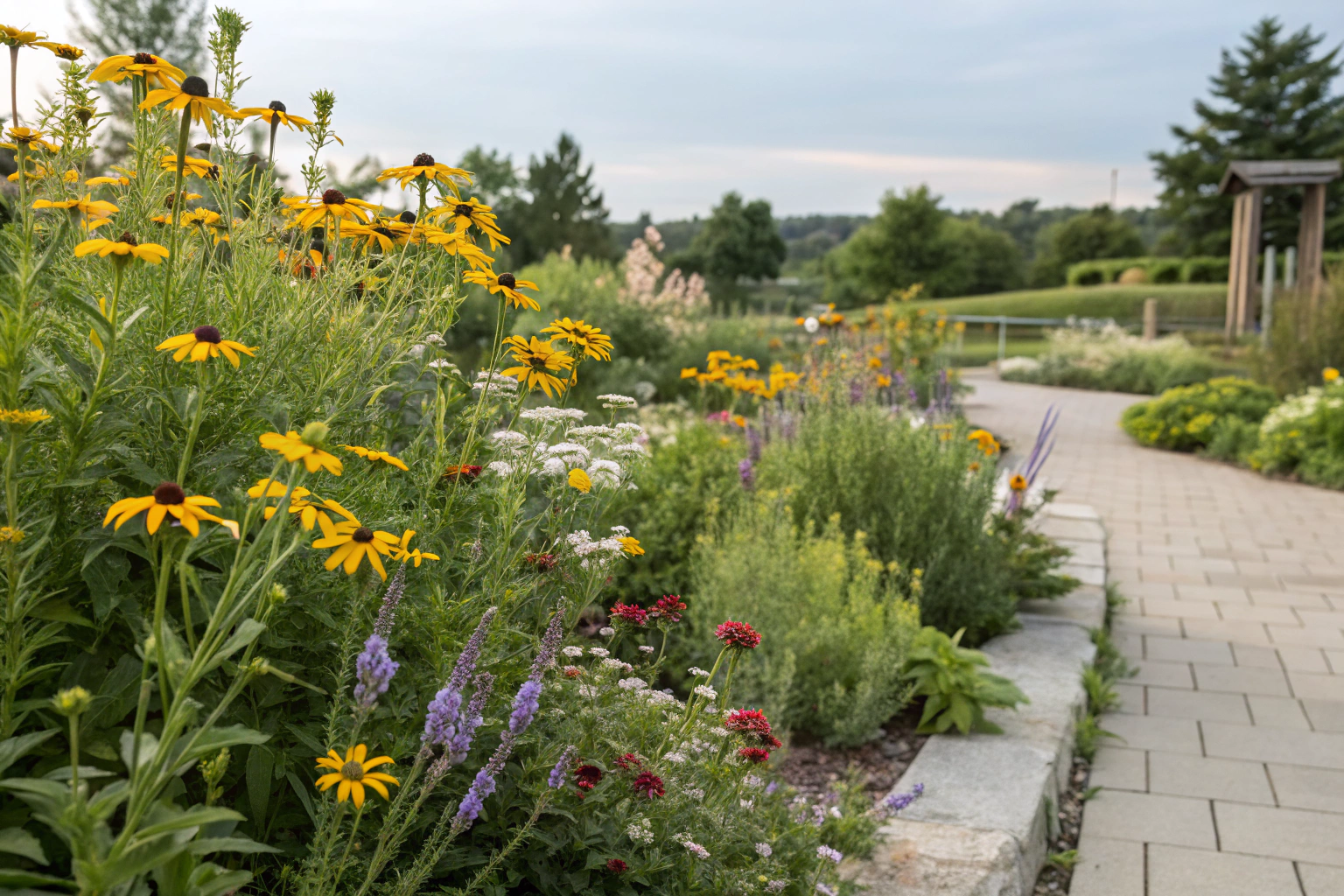
Strategically mixing annuals, biennials, and perennials in your garden beds creates sustained color, structure, and interest year-round. Annuals add quick drama; biennials bring patient anticipation; perennials provide stability and permanence.
I adore the choreographed rhythm of my mixed flower beds, evolving subtly with each passing season, never boring, always evolving: a symphony of life cycles.
Cheatsheet: Grow Annuals, Biennials, Perennials Right
Annuals: Max Output, Quick Turnaround
Sow in early spring once soil warms to 60°F/16°C.
Annual Bloom Cycle
Bloom for one season, then set seed and die.
Fast Flowers and Veggies
Popular for fast flowers (petunias, zinnias), quick veggies (lettuce, cucumbers).
Harvesting Annuals
Harvest entire plant at season’s end.
Biennials: First-Year Growth
Year 1: Grow leaves, store energy (beets, carrots, foxglove).
Biennial Flowering
Year 2: Flower, fruit or seed, then die.
Optimal Conditions for Biennials
Best in garden beds with good drainage and sun (6+ hours).
Perennials: Planting and Establishing
Plant in spring or fall; roots establish year one.
Perennial Longevity and Yield
Live 3+ years, bloom and fruit repeatedly (lavender, asparagus, strawberries).
Dividing Perennials
Divide every 3-5 years to boost yield.
Gardening Tools Needed
Stainless trowel and spade, watering can or drip system, organic compost, mulch for moisture retention.
Seasonal Maintenance
Annuals: Fertilize monthly, deadhead often; Biennials: Mulch in winter, thin seedlings in spring; Perennials: Cut back dead stems after frost, top-dress compost each spring.
Nutritional Benefits
Annual crops: Grow greens and roots for fastest harvest; Perennials: Provide vitamins year after year.
Want a more guided way to practice plant life cycle?
Plant Life Cycle FAQ: Essential Gardening Questions Answered
How can I determine if a plant will bloom multiple times?
Look closely at the plant type: annual species bloom once, shedding seeds at the end of the season, while perennial species typically bloom repeatedly year after year. Checking the plant label or variety documentation helps in identifying its blooming frequency.
Why does my biennial plant die after flowering?
A biennial completes its plant life cycle over two years. During the first year, it forms leaves and roots, then flowers and produces seeds in the second year. After this reproductive stage, the plant naturally declines and dies.
Can perennial plants thrive indefinitely?
Although perennial plants live beyond two growing seasons, their lifespan varies widely among species. Proper care, suitable growing conditions, and regular garden maintenance can significantly extend their vitality, but few perennials will remain vigorous indefinitely.
Do annual plants reseed themselves automatically?
Many annual plants naturally scatter their own seeds, creating new growth in the following season. For consistent growth each year, allow seed heads to mature fully on the plant, or harvest and store seeds manually to sow in subsequent years.
What gardening practices help biennials thrive during winter?
To ensure successful overwintering, protect biennials by applying a layer of organic mulch (around 3 inches or 7-8 cm thick) around their base in late autumn. This insulation shields roots and prevents frost damage, promoting healthier second-year flowering.
Should perennial plants be divided regularly?
Perennials benefit significantly from division every 3 to 4 years. Dividing enhances plant health by reducing overcrowding, stimulating new growth, and improving blooming potential. Early spring or late autumn offer the optimal periods to divide and transplant perennials.
How do temperature variations influence annual plant growth?
Annual plants often respond sensitively to temperature shifts. Species suited to warmer conditions may struggle when temperatures consistently drop below 50°F (10°C), while cold-weather annuals decline if temperatures rise consistently above 75°F (24°C). Select annual varieties appropriate to your garden's seasonal climate.
What is the ideal soil type to support healthy perennial growth?
A soil rich in organic matter with adequate drainage provides optimal conditions for perennial plants. Regularly amending garden soil with compost or aged manure creates better root zones, promotes nutrient uptake, and ensures consistent blooming across multiple growing seasons.
Conclusion
Understanding the plant life cycle: from the fleeting beauty of annuals, to the two-year rhythm of biennials, and the enduring strength of perennials, puts real power in your hands. Choose wisely and you'll see your garden shift with the seasons, pulsing with new color or settling into steady, long-term growth. Each type has its role, from the burst of spring annuals to the old souls of perennial beds. If you want to dig deeper into what thrives in your region, this guide to climate zones keeps things simple. Master the plant life cycle and you'll read your garden like a well-written book: always changing, always teaching, never dull.