Food Supply Chain: The Journey from Farm to Fork
Food Supply Chain
nderstanding the food supply chain lets every gardener appreciate exactly how produce travels from farm to fork. Each edible bite follows a detailed path: from growers and harvesters to shipping operations and local markets, all before landing on your plate. By grasping how this food supply chain functions, you’ll pinpoint ways to plant smarter, garden sustainably, and savor each meal thoughtfully.
Food Supply Chain Overview
- Food supply chainstarts with
- Growers and harvestersmoves via
- Shipping operationsdistributed to
- Local marketsreaches
- On your plate
- Garden producefits into
- Store-bought producealso in
Article mapOpen the visual summary
Food Supply Chain Overview
- Food supply chainstarts with
- Growers and harvestersmoves via
- Shipping operationsdistributed to
- Local marketsreaches
- On your plate
- Garden producefits into
- Store-bought producealso in
Table of Contents4 sections
Demystifying the Food Supply Chain: Understanding How Your Garden Fits the Bigger Picture
- Planting seeds and nurturing crops
- Harvest and post-harvest storage
- Processing and packaging
- Distribution and transportation
- Retail and consumption
I vividly recall the first time I harvested heirloom tomatoes from my vegetable plot and wondered how long store-bought produce sat in transit before arriving on shelves. Turns out, understanding the food supply chain dramatically changed how I gardened and cooked.
The food supply chain comprises the entire process food undergoes: from planting seeds and nurturing crops, through harvest, storage, transportation, processing, packaging, retail distribution, all the way to your plate. Each step adds a layer of complexity, effort, and yes, cost, to the food we buy and consume.
Gardening connects me intimately with seasonal cycles, soil quality, and fresh taste. Yet, my own plot produces only a fraction of what my family eats. Understanding how external food supplies move from farms to grocery shelves deepened my appreciation, and changed my planting choices too.
This statistic hit me like a shovel to the boot. It inspired me to plant produce with longer shelf-lives and prioritize local, seasonal eating.
Increased transportation distances typically mean greater environmental impacts due to fuel consumption and carbon emissions. Foods often travel thousands of miles. Lettuce from California to New York (roughly 2,900 miles / 4,667 km), for example, generating substantial carbon footprints.
Additionally, prolonged transportation and storage affect nutrient content and taste. Freshly harvested vegetables contain peak nutrients and bright flavors, qualities diminishing over long journeys.
While it might seem our small backyard patch doesn't impact the larger chain, collective gardening choices matter. Growing local varieties, preserving harvest surplus through canning or freezing, and supporting nearby farmers' markets encourage shorter and more sustainable chains.
Personally, I found heirloom seed saving an inspiring way to keep diverse, delicious crops alive while reducing reliance on distant suppliers. Many local communities even host seed swaps, social and sustainable combined.
Gardening personally taught me to appreciate food beyond mere sustenance. Recognizing its trajectory from seed through store shelves makes every crunchy cucumber or tangy tomato taste even sweeter.
- Production: Farmers select crops based on climate, soil conditions, and consumer demand. As gardeners, we know the thrill (and gamble) of choosing what to plant each season.
- Harvest & Post-harvest: Timing matters here. Produce picked too early lacks flavor, too late shortens shelf life. Proper harvesting and storage can prevent significant losses.
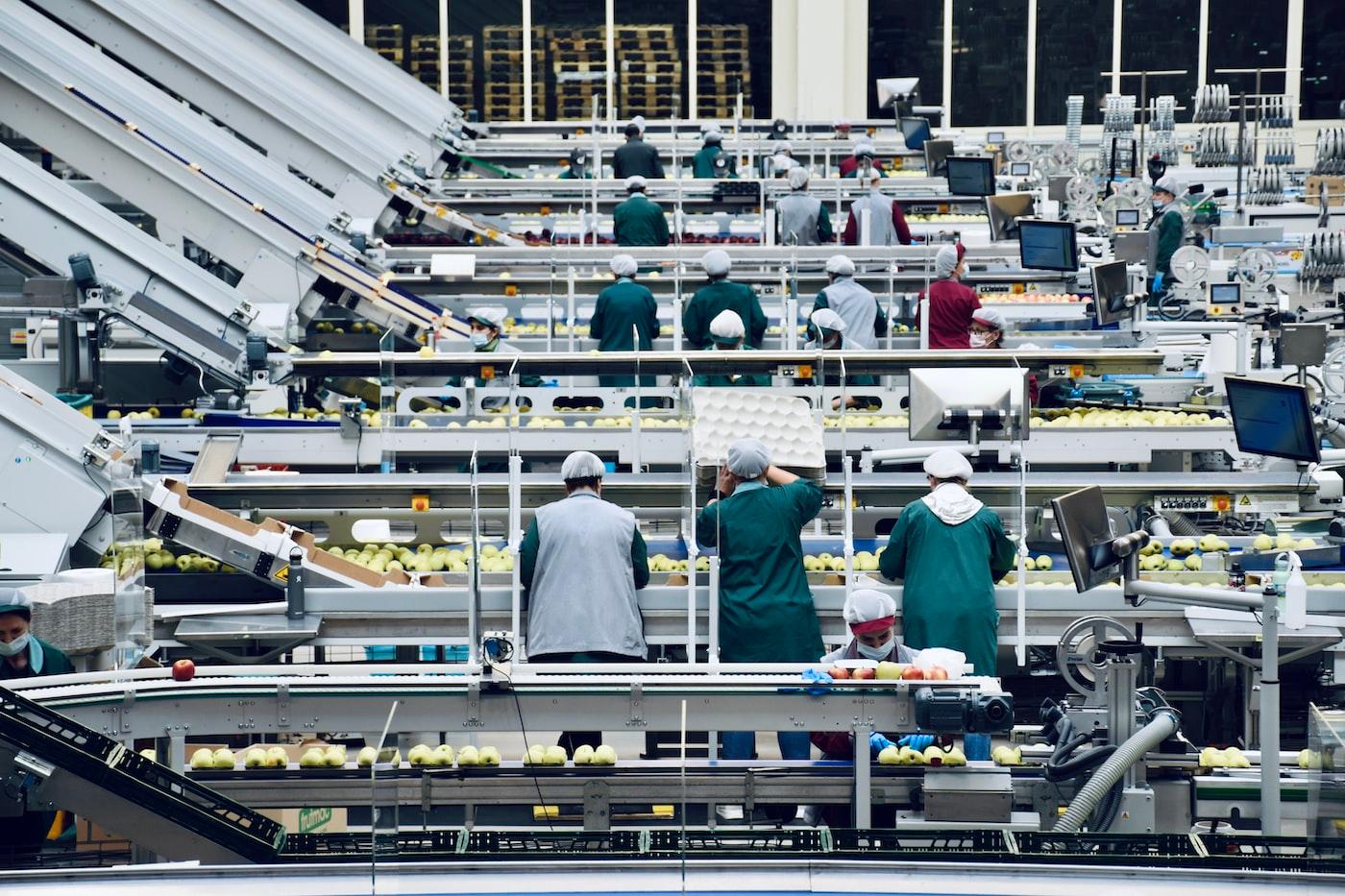
- Processing and Packaging: Fresh produce may undergo minimal processing: washing, sorting, packaging. But processed foods often travel even further, passing through multiple facilities and packaging stages.
- Distribution & Transportation: This step moves food from farms and processing plants to grocery shelves. Refrigeration trucks, shipping crates, and precise coordination keep our food edible across distances.
- Retail & Consumption: Stores and markets stock produce based on consumer demand, shelf-life, and profit margins. Consumer behaviors impact what's grown, how it's stored, and how far it travels.
- 1
Grow Hardy Varieties
Opt for crops known to withstand post-harvest storage and preservation methods, such as root vegetables and winter squashes. - 2
Practice Succession Planting
Regularly planting smaller batches throughout the season helps reduce waste and ensures fresh produce consistently. - 3
Join Community Agriculture Initiatives
Local farms, community-supported agriculture (CSA) programs, and food cooperatives shorten your food's journey, improving freshness and sustainability.
Cheatsheet: From Farm Fields to Family Tables
Farm Production Techniques
Optimize crop diversity and soil health to improve resilience and yield.
Harvesting and Initial Handling
Harvest produce at peak nutrition; handle gently and chill quickly to preserve quality.
Processing and Packaging Standards
Conduct thorough washing, sorting, and packing with sanitized tools to prevent spoilage.
Transportation Requirements
Maintain cold chain logistics to extend shelf life and ensure quality during transit.
Retail Dynamics
Implement stock rotation and minimize shelf time to maximize freshness and nutrient retention.
Consumer Guidelines
Encourage local purchasing and home gardening to shorten supply chains and reduce environmental impact.
Want a more guided way to practice food supply chain?
Frequently Asked Questions about the Food Supply Chain
What steps does fresh produce go through before reaching local markets?
Fresh produce moves through several well-defined stages in the food supply chain. After growers harvest fruits and vegetables, the produce undergoes sorting, cleaning, and packing. Next, refrigerated transport carries items to wholesalers and regional distribution facilities. Finally, local markets receive shipments, allowing shoppers to select garden-fresh items ready for their kitchens.
How does understanding seasonality enhance my gardening practices and support sustainable food sourcing?
Recognizing seasonality deepens gardening expertise and encourages sustainable food consumption. Planting crops aligned with their natural growing seasons reduces reliance on long-distance shipping and refrigeration. This practice shortens the food supply chain, reducing energy usage while increasing the freshness and nutritional quality of your harvest.
How do organic gardening methods influence sustainability in the broader food supply chain?
Employing organic gardening techniques positively impacts sustainability within the broader food supply chain. Practices such as composting, crop rotation, and beneficial insect attraction reduce chemical usage and foster soil health. Healthier soils yield resilient gardens, lessening dependency on external inputs and decreasing environmental stress downstream in food distribution.
What role does local gardening play in shortening the food supply chain?
Local gardening significantly shortens the food supply chain by cultivating produce closer to consumption points. This proximity reduces transportation distances, fuel consumption, and associated carbon emissions. Additionally, gardens situated near communities provide produce at peak freshness and nutritional content, enhancing both environmental benefits and food quality.
How can individual gardeners contribute to minimizing food waste along the food supply chain?
Gardeners actively reduce food waste within the food supply chain by growing and harvesting only the produce needed, preserving surplus items, and composting leftover plant material. These efforts help minimize food waste transported to landfills, thereby reducing methane emissions and promoting a closed-loop nutrient cycle in gardens.
What are the best practices in home gardening to ensure produce safety throughout the supply chain?
Maintaining produce safety begins in the garden. Gardeners should regularly sanitize gardening tools, practice proper hand hygiene, and use clean water sources for irrigation. Promptly refrigerating harvested fruits and vegetables at optimal temperatures: typically between 35-40°F (2-4°C), preserves freshness and reduces contamination risks as produce continues through the food supply chain.
Conclusion
The food supply chain stretches far beyond fields and supermarkets. It's a living system, shaped by hands, weather, and every choice we make. Each tomato or carrot owes its flavor to farmers, transporters, shippers, and you, the one who brings it to the table. Transparency and sustainability in this chain mean fresher meals and a healthier planet.
If you’re hungry for more control and flavor, start with your own patch of soil. Growing food at home doesn’t just connect you to the earth. It trims the chain, letting you savor every step from seed to plate. No matter the size, every garden plants you deeper in the story of your food.


