Gardening Tips: 10 Expert Websites for Ideas and Inspiration
Gardening Tips
ant gardening tips you can actually use, minus the fluff? Bookmark these ten trusted gardening websites packed with expert-backed gardening tips on soil health, pest control, plant varieties, and garden design. From practical how-to guides to inspiring garden styles, these resources help sharpen your skills and ignite fresh ideas. Scroll on for the best of the best.
Table of Contents7 sections
The 10 Best Gardening Websites for Expert Tips and Inspiration
- 1
Explore Gardenista’s elegance
Gardenista blends design innovation with down-to-earth planting guidance and elegant solutions for stylish garden layouts.
- 2
Learn with You Grow Girl
You Grow Girl offers practical how-tos, recipes, and organic gardening advice in a refreshingly relatable, casual voice.
- 3
Consult the Almanac often
The Almanac provides planting calendars, weather forecasts, and quirky gardening folklore that proves surprisingly effective.
- 4
Use RHS plant resources
The RHS plant finder and extensive plant care library simplify gardening decisions and keep pests at bay.
- 5
Join Dave’s Garden community
Dave’s Garden features active forums and honest plant reviews that help gardeners avoid countless planting blunders.
- 6
Get quick answers online
Gardening Know How delivers straightforward guidance on everything from soil pH to pruning hydrangeas for all experience levels.
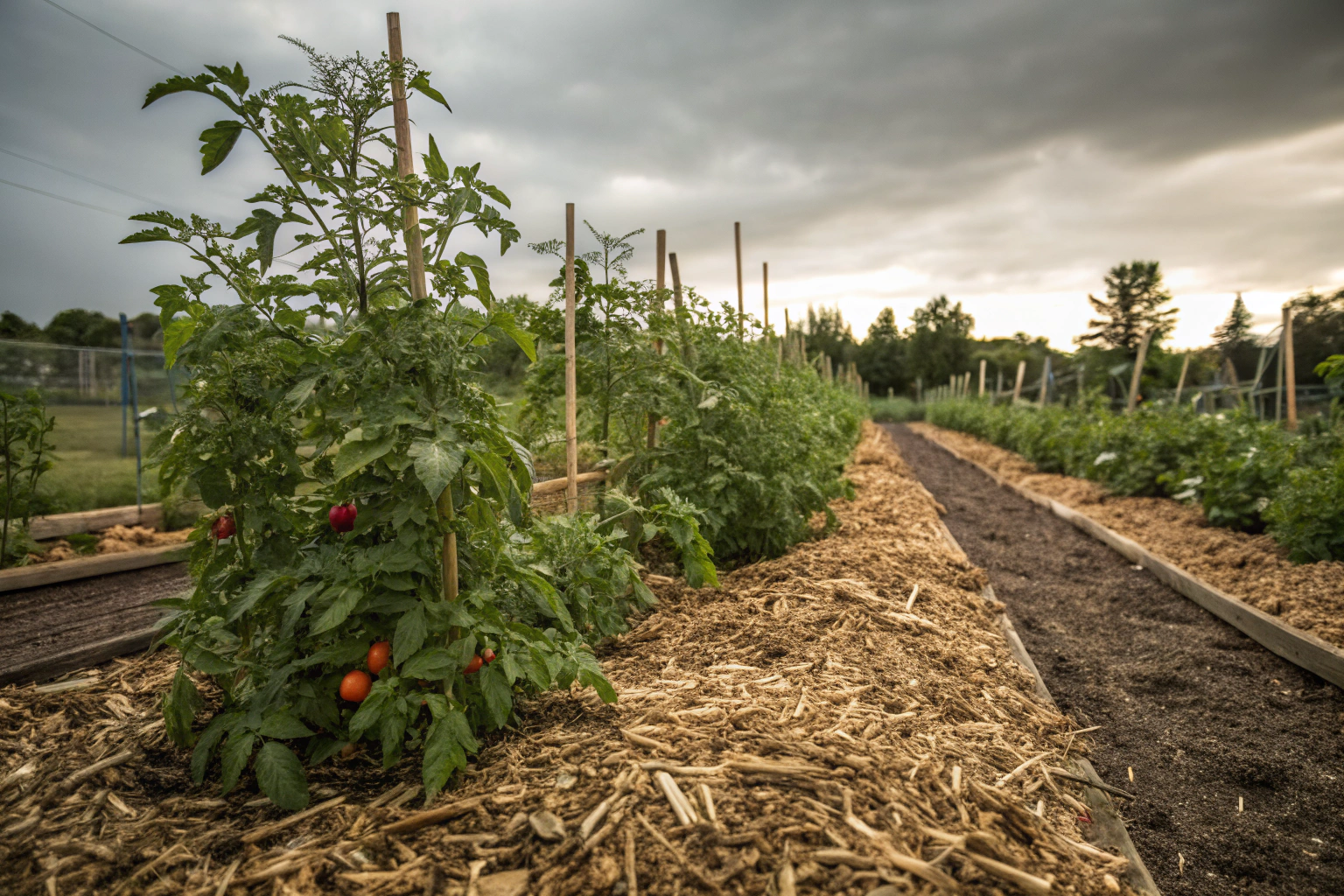
I remember planting my first tomato patch. Excited, confident, and surprisingly clueless. Two months later, frustration set in; bland fruit, stubborn aphids, and wilted leaves taunted me daily.
But I stumbled upon several fantastic websites: virtual gardens of wisdom: that transformed my approach with practical gardening tips, gripping stories, and boundless inspiration. Here are my personal favorites:
Gardenista whispers sophistication. Its content blends design innovation with down-to-earth planting guidance, offering elegant solutions I didn't even know I needed.
Refreshingly relatable, You Grow Girl taught me to garden fearlessly. Founder Gayla Trail's casual voice echoes through practical how-tos, recipes, and organic gardening advice.
I admit, this one's my guilty pleasure: detailed yet approachable articles packed with tested gardening tips. Their community is endlessly generous, sharing plant trials, precise pruning techniques, and soil enrichment methods.
Trustworthy and timeless. I reach for the Almanac every season for planting calendars, weather forecasts, and quirky gardening folklore that's surprisingly effective.
I savor each update from this British gem. Its lively videos and extensive plant care library saved my roses from an early demise and kept pests at bay.
Few resources match the RHS authority and comprehensiveness. Their plant finder alone is invaluable, simplifying every gardening decision I face.
A collaborative blog that consistently impresses me with solved gardening puzzles. Its varied authors tackle topics like companion planting, pest control, and edible gardening with cheerful clarity.
Dave's Garden feels like a bustling town square for gardeners. Their active forums and honest plant reviews helped me avoid countless planting blunders.
For organic gardening and sustainability enthusiasts, this site's gold. Practical, thoughtful articles on composting, permaculture, and heirloom gardening convinced me to adopt more eco-friendly practices.
I turn here for quick, reliable answers. Gardening Know How straightforwardly covers everything from soil pH to pruning hydrangeas, satisfying both beginners and seasoned gardeners alike.
Bookmark these treasures, and your garden adventures will flourish: informed, inspired, and free from bland tomatoes.
Cheatsheet: Best Online Sources for Fresh Gardening Ideas
Top Sites for Fresh Ideas
Gardenista: Modern designs, plant guides, outdoor living.
Design Hacks From the Pros
RHS plant finder: Drought-tolerant or pollinator-friendly picks.
Grow More, Waste Less
Fine Gardening: Companion planting to deter 75% of pests.
Health, Nutrition & Self-Sufficiency
Backyard veggie plots cut grocery bills by $600+/year (€555+).
Tools and Products You’ll Need
Bypass pruners, mulch fork, compost bin.
Quick How-To Steps
Visit sites weekly for trends; apply new projects monthly.

Want a more guided way to practice gardening tips?
Frequently Asked Questions About Gardening Tips
How Often Should Garden Soil Be Tested?
Test your garden soil once per year, ideally in early spring. Annual soil testing helps gardeners understand nutrient levels and adjust soil amendments accordingly, promoting robust plant growth and preventing nutrient deficiencies.
What Is the Optimal Time of Day to Water Plants?
Water plants early in the morning, between 6 a.m. and 10 a.m., before temperatures climb. Early watering allows plant roots to absorb moisture efficiently and reduces water evaporation. Avoid evening watering to prevent fungal diseases.
How Can Gardeners Naturally Keep Pests Away?
Natural pest control includes methods such as companion planting: pairing certain plants alongside others to repel harmful insects. Additionally, gardeners may use organic sprays, beneficial insects like ladybugs, and regular plant inspections to control pest populations without chemical pesticides.
When Should Perennials Be Divided for Healthiest Growth?
Divide perennials every three to five years, preferably in early spring or autumn. Regular division promotes vigorous growth, reduces overcrowding, and allows plants to establish strong root systems.
Are Raised Garden Beds Better for Growing Vegetables?
Raised garden beds offer advantages such as improved drainage, soil temperature control, and easier weed management, making them ideal for vegetable gardening. For best results, construct beds approximately 12 inches (30 cm) deep, filled with a balanced mix of compost and soil.
Should Gardeners Prune Shrubs and Trees Year-Round?
Prune most shrubs and trees during their dormant periods, typically late winter or early spring, depending on plant type. Dormant pruning reduces stress on plants and encourages healthy, controlled growth during the growing season.
What Simple Practices Can Improve Garden Soil Quality?
To enhance soil quality, gardeners can add organic compost, plant cover crops, or apply mulch regularly. These practices enrich the soil with nutrients, maintain moisture, and prevent erosion, creating ideal conditions for healthy plant growth.
How Much Sunlight Do Vegetable Gardens Usually Require?
Most vegetable plants require a minimum of 6 to 8 hours of direct sunlight daily. Leafy greens can grow with slightly less sun; however, fruiting vegetables such as tomatoes, cucumbers, and peppers rely on ample sunlight for optimal production.
Conclusion
Good gardening isn’t about perfection: it’s about curiosity, a bit of dirt under your nails, and a willingness to learn from others. The right gardening tips can save you time, money, and a little heartache. Bookmark those expert websites; let them fuel your next season, whether you’re wrangling tomatoes, plotting a pollinator haven, or eyeing new tools like the garden knife or pruning shears. Dig into guides on maximizing your spring gardening efforts or explore biodynamic gardening if you want to shake things up. With each season, new questions will sprout. Keep asking, keep experimenting, and keep growing. The best gardens come from a mix of good advice and your own stubborn streak.