Growing Lemon Balm for Freshness, Flavor, and Fragrance
Growing Lemon Balm
Growing Lemon Balm starts with 6–8 hours of sun, pH 6.0–7.5 soil, and 12–18 inch spacing for vigor. Growing Lemon Balm, water deeply once a week, pinch tips at 6 inches, and harvest before bloom for oils. Growing Lemon Balm in zones 4–9, mulch 2 inches for winter and divide clumps every 3 years to refresh. Stick around for simple ways to keep it tidy and turn leaves into freshness, flavor, and fragrance.
Put this guide to use
Choose a growing spot for Lemon Balm
Imagine a plant that needs six hours of direct sun. Your chosen spot gets two. Is that spot a match?
Check your thinking
The light does not match. Compare another spot before planting. For the plant in this guide, check its own requirements and your local conditions.
Continue in Taim.io. Try it without an account.
Table of Contents
- Growing Lemon Balm for Freshness, Flavor, and Fragrance
- Site, Soil, and Microclimate
- Propagation That Actually Sticks
- Spacing, Water, and Feeding
- Pruning, Flowering, and Keeping It Tame
- Pests and Diseases
- Harvest and Postharvest That Preserve Aroma
- Flavor, Fragrance, and Everyday Use
- Indoor Growing and Overwintering
- Companions and Ecology
Cheatsheet: Cultivating Lemon Balm for Home Use
🌱 Site & Soil
- Pick full sun to partial shade
- Use well-drained, loamy soil; pH 6.0-7.5
- Space plants 18-24" (45-60 cm) apart
🌡️ Optimal Conditions
- Thrives at 65-80°F (18-27°C)
- Water when top 1" (2.5 cm) soil dries
- Mulch to retain moisture, suppress weeds
🪴 Growing Steps
- Sow seeds 1/4" (6 mm) deep, indoors 6-8 weeks before last frost or outdoors after frost
- Transplant seedlings after last frost, roots well developed
- Pinch tips for bushier growth
- Harvest leaves when plant reaches 8" (20 cm) height
- Cut stems above leaf nodes for repeated harvests
✂️ Tools and Products You'll Need
- Organic seeds or starter plants
- Sterile seed-starting mix
- Compost or balanced fertilizer (optional)
- Clean scissors or pruners
- Watering can or hose with gentle spray
- Mulch (straw or leaf mold)
- Pots (if growing indoors or on patio)
🌿 Health, Nutrition & Self-sufficiency
- High in antioxidants and vitamin C
- Promotes calm, digestive wellness (Lemon balm tea studies: up to 42% anxiety reduction)
- Fresh leaves flavor salads, teas, desserts
- Repels mosquitoes and beneficial for pollinators
🌸 Fragrance & Storage
- Use leaves fresh for best aroma
- Dry leaves in shade for year-round use
- Store in airtight container, away from light
Growing Lemon Balm for Freshness, Flavor, and Fragrance
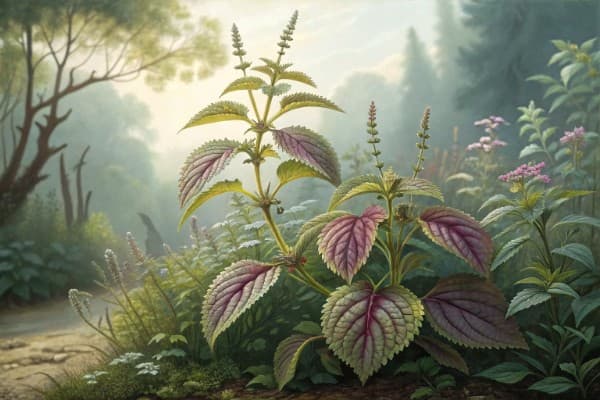
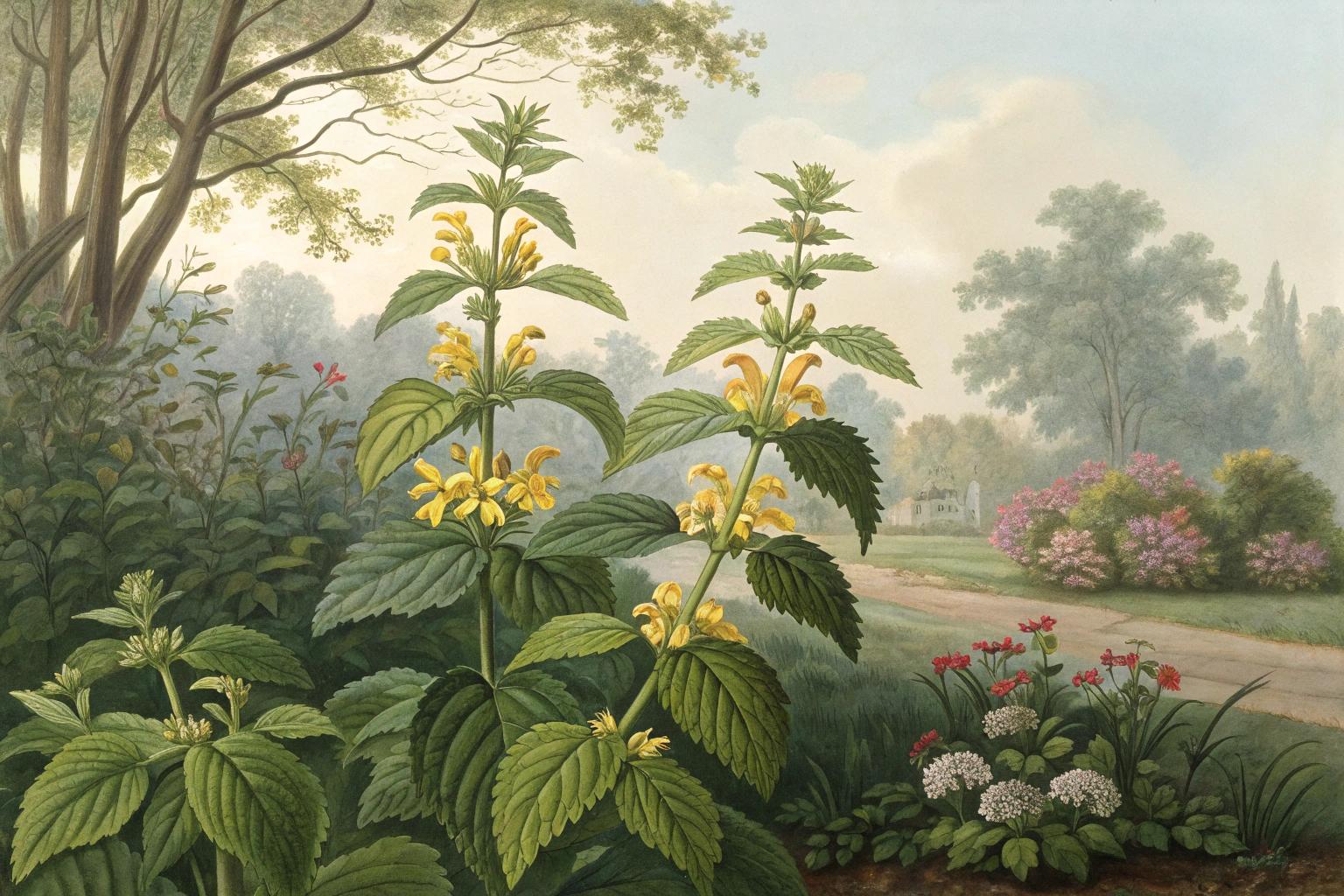
Growing Lemon Balm starts with knowing the plant behind the perfume: Melissa officinalis, a perennial mint with bright, citral-rich leaves and a soft, lemony snap. It tops out around 18 to 30 inches tall and spreads by rhizomes and seed if you give it the slightest excuse.
I plant it where sleeves brush the foliage as I walk past, because contact releases the scent like striking a match. In USDA Zones 4 to 9, it sleeps through winter and bolts back with spring rain.
Site, Soil, and Microclimate
Lemon balm likes full sun in cool climates, then appreciates afternoon shade where summers scorch. I aim for 60 to 80 F or 16 to 27 C, with soil pH between 6.0 and 7.5 and drainage that never puddles.
Work in 2 to 3 inches or 5 to 8 cm of finished compost, then mulch lightly after the soil warms. Too much nitrogen fattens leaves but waters down aroma, which several herb trials have confirmed.
For containers, a 3 to 5 gallon or 11 to 19 liter pot handles a plant gracefully. Use a mix that drains fast, like 60 percent peat or coco, 30 percent compost, 10 percent perlite.
Propagation That Actually Sticks
Seed
Seeds need light, so press them to the surface and mist rather than bury. They germinate in 10 to 14 days at 68 to 72 F or 20 to 22 C, and a two week chill in the fridge can tighten germination timing.
Division
Split established clumps in early spring or fall, keeping a fistful of roots and two to three shoots per division. Water hard once, then keep evenly moist for two weeks.
Cuttings
Take 3 to 4 inch or 8 to 10 cm softwood tips, strip the lower leaves, and stick in a 50:50 perlite and peat tray. A light dusting of rooting hormone helps, and roots usually pop inside 10 days under high humidity.
Spacing, Water, and Feeding
Space plants 18 to 24 inches or 45 to 60 cm apart, since they bulk up fast in year two. I water for 1 inch or 2.5 cm per week, because drought cuts leaf area and essential oil production.
Go easy on fertilizer to keep flavor concentrated. I topdress with compost once in spring and leave it there.
Pruning, Flowering, and Keeping It Tame
Pinch tips from the start to build a tight, many-branched dome. If it gets lanky, shear by one third and it rebounds in ten days with tender shoots.
Flowers bring bees, then seeds that travel. Deadhead or shear before full bloom if you do not want a constellation of volunteers.
“Essential oil content in lemon balm peaks just before flowering.” Zheljazkov et al., Industrial Crops and Products, 2013
Pests and Diseases
Most critters ignore lemon balm, though aphids and spider mites can show up in heat, and slugs sample new transplants. A hard water spray plus weekly soap knocks aphids back without drama.
Powdery mildew creeps in with crowded spacing and overhead irrigation. Give it airflow, water the soil line, prune out the densest growth, and compost the spent leaves.
Harvest and Postharvest That Preserve Aroma
I harvest mid morning once dew has lifted and before the sun cooks the oils. Snip cleanly, keep the stems aligned, and do not crush the leaves if you care about perfume.
Dry fast at low heat: 95 F or 35 C in a dehydrator keeps citral intact, while hotter cabinets strip the top notes. For peak flavor, cut right before bloom, then store in airtight jars away from light or freeze whole sprigs.
Flavor, Fragrance, and Everyday Use
I blitz lemon balm with pistachios, olive oil, and a squeeze of lemon for a green sauce that loves grilled fish. Cold-steeped leaves in water with cucumber turn an August afternoon into something far cooler than the forecast.
A handful lifts fruit salads, custards, and gin cocktails. The stems even make a quick shrub when simmered with sugar and vinegar, then chilled and splashed with seltzer.
Indoor Growing and Overwintering
Indoors, give 6 hours of sun or 12 to 14 hours under LED at 200 to 400 PPFD. Trim weekly to keep it below the light and to renew the soft growth cooks crave.
In winter, mulch outdoor crowns with 2 to 4 inches or 5 to 10 cm of shredded leaves once soil cools. Container plants need roots kept above 20 F or minus 6 C, so I tuck pots in an unheated garage and water monthly.
Companions and Ecology
Bees work the tiny white flowers like a drumbeat in July, and parasitic wasps shelter in the thicketed stems. Near patios, the foliage gives a modest mosquito deterrent thanks to citronellal, yet I still light a candle when the sun drops.
I park lemon balm beside brassicas to break up pest radar and along paths where traffic releases scent. It plays well with chives, thyme, and strawberries, which all appreciate similar moisture.
Varieties and What To Buy
- ‘Quedlinburger Niederliegende’: compact habit with high essential oil levels, ideal for tight beds.
- ‘Aurea’ or ‘Variegata’: gold-splashed leaves for ornamental edges, slightly milder flavor.
- ‘All Gold’: chartreuse foliage brightens shade and containers.
- ‘Compacta’: short internodes, tidy in 3 gallon or 11 liter pots.
For seed, look for open-pollinated lines from reputable herb houses that state germination rates and lot year. If you want instant tea, buy a stout 1 quart or 1 liter nursery start and divide it after flowering.
Commercial Gear That Actually Helps
- Pruners: narrow-tip snips keep cuts clean and reduce bruising.
- Fabric pots: air prune roots and throttle runaway moisture.
- LED panels: full spectrum fixtures with a dimmer keep indoor plants compact at 200 to 400 PPFD.
- Dehydrator: steady 95 F or 35 C preserves aroma far better than an oven door trick.
Troubleshooting Quick Wins
- Leaves taste bland: reduce nitrogen, increase sun, harvest pre-bloom.
- Plants look leggy: pinch weekly, then cut back by one third and feed with compost.
- Powdery mildew: thin the center, water at soil line, and space to 24 inches or 60 cm.
- Self-seeding everywhere: shear off flower spikes and mulch to block light for volunteers.
- Edges crisping: underwatering or salt buildup in pots, so flush thoroughly and reset your schedule.
Health Notes, Brief and Honest
Lemon balm tea appears to support calm and sleep in small trials, with rosmarinic acid often named as a key player. Kennedy et al., 2003, reported improved mood and cognitive performance after standardized extracts in healthy adults.
If you have thyroid conditions, take sedatives, or are pregnant, check with a clinician before heavy use. I treat it as a culinary herb first and let the lab coats do the rest.
Firsthand Field Notes
The best lemon balm I ever grew volunteered in gravel beside a hose bib, which taught me the plant wants drainage more than coddling. I now plant at the edge of beds where roots stay dry and leaves get morning sun.
In July heat, I strip a third of the plant and plunge the stems in ice water before trimming, which locks in the volatile oils. The scent hits like lemon dropped into cold spring water, and that is the point.
Stats and Citations
RHS lists Melissa officinalis as hardy across most temperate gardens and recommends light, well drained soils for best flavor. The American Herbal Products Association notes typical essential oil yields are low by weight, which is exactly why gentle drying matters.
University herb trials repeatedly show highest aroma at pre-bloom harvest under moderate fertility. USDA and extension publications place ideal germination near 68 to 72 F or 20 to 22 C with light exposure to trigger sprouting.
“Lemon balm can self-sow vigorously in favorable sites.” Royal Horticultural Society, Herb Guidelines
Frequently Asked Questions about Growing Lemon Balm
What soil conditions support healthy growth?
This herb thrives in well-drained, fertile soil with a slightly acidic to neutral pH (6.0-7.0). Mixing organic compost can enrich nutrient content and encourage better drainage.
How much sunlight does this herb require?
To achieve optimal growth, plant it in an area receiving full sun to partial shade. Morning sun accompanied by afternoon shade provides ideal conditions.
How often should watering occur?
Water moderately, allowing the top inch (2-3 cm) of soil to dry between watering. Avoid waterlogging, as overly moist soil can lead to root diseases.
Which planting method produces the best results?
While planting from seed works well, propagating through root division or stem cuttings ensures quicker establishment and stronger plants.
What planting spacing proves ideal?
Space plants approximately 18 to 24 inches (45-60 cm) apart to allow ample airflow and growth room. Proper spacing helps minimize disease risk and fosters airflow.
Does this herb tolerate colder temperatures?
Yes, this plant is hardy and tolerates cold temperatures down to around -20°F (-29°C). For particularly harsh winters, applying mulch around the base protects roots from frost.
What pests commonly affect this plant, and how can gardeners address them?
Aphids and spider mites pose common threats. Regularly inspect plants and treat infestations with insecticidal soap or neem oil, maintaining a balanced ecosystem in the garden.
How and when should pruning be done?
Prune regularly during the growing season to maintain compact growth and prevent legginess. Cut stems back by half when flowering begins to encourage fresh growth and extend the harvest period.
Can this herb thrive in containers?
Absolutely. Container planting suits this herb well. Select a pot at least 12 inches (30 cm) in diameter with good drainage holes, and use quality potting soil for thriving growth.
Growing Lemon Balm pays you back fast: bright leaves, clean scent, easy care. Give it full sun to light shade, well-drained soil, and steady water. Pinch tips often, or shear before buds show, and you’ll keep tender growth coming.
Corral it in containers or edged beds; it likes to roam. Divide clumps every couple years; softwood cuttings root quick. Morning harvest tastes best. Use fresh, or dry or freeze for off-season tea and sauces. Keep air moving to dodge mildew; pests rarely linger.
Mulch for winter and let it return with spring rain. Bees love the flowers; you can, too, or cut them to keep flavor high.
Pair it with other sturdy herbs like spearmint, sage, and thyme for a no-nonsense herb bed that feeds both kitchen and pollinators.