Growing Lovage: Cultivating the Versatile Garden Herb
Growing Lovage
Growing Lovage wants sun to light shade, rich moist soil, and 24–36 inch spacing in USDA zones 4–8. Growing Lovage means sowing seeds shallow in spring or setting crowns, then giving about 1 inch of water weekly.
Growing Lovage yields a perennial patch; harvest tender leaves, use stalks like celery, save seeds for pickles. Big, savory punch and tall stature—this herb brings backbone to stocks, potatoes, and Bloody Marys; stick around for easy ways to manage height and keep the harvest steady.
Put this guide to use
Choose a growing spot for Lovage
Imagine a plant that needs six hours of direct sun. Your chosen spot gets two. Is that spot a match?
Check your thinking
The light does not match. Compare another spot before planting. For the plant in this guide, check its own requirements and your local conditions.
Continue in Taim.io. Try it without an account.
Table of Contents
- Growing Lovage: Cultivating the Versatile Garden Herb
- Site and soil: set it up to thrive
- Seed, division, and timing that works
- Transplanting and spacing
- Water, feeding, and cutbacks
- Pests and disease: smart prevention
- Overwintering and dividing for longevity
- Container culture that actually works
- Harvest with a cook’s eye
- Design and companion tactics
Cheatsheet: Master Lovage Cultivation in Any Garden
🌱 Soil & Location
Rich, moist, well-draining soil (pH 6.5–7.0)
Full sun or partial shade
🕒 Sowing & Timing
- Start indoors 6–8 weeks before last frost
- Plant seeds 1/4 in (0.6 cm) deep
- Transplant after soil reaches 55°F (13°C)
- Space plants 24 in (60 cm) apart
💧 Watering & Feeding
- Keep soil consistently moist
- Mulch retains moisture
- Apply compost or balanced fertilizer monthly
✂️ Maintenance & Harvest
- Harvest leaves once 8 in (20 cm) tall
- Cut flower stalks for more leaf growth
- Harvest stems & seeds late summer
- Plant returns yearly for 5+ years
Step 1: Prepare bed, loosen soil, and mix in organic matter.
Step 2: Sow seeds 1/4 in (0.6 cm) deep; keep moist until germination (14–21 days).
Step 3: Transplant outdoors after last frost; keep 24 in (60 cm) spacing; mulch and water well.
Step 4: Fertilize monthly; remove flowers for more leaves; harvest as needed.
🛠️ Tools and Products You'll Need
- Garden trowel
- Seed tray or pots
- Watering can
- Organic compost
- Mulch
- Lovage seeds
🍲 Uses, Nutrition & Self-Sufficiency
- Leaves, stems, seeds, roots all edible
- Rich in vitamin C, A, B-complex, potassium
- Use in soups, stews, salads, stocks
- Attracts pollinators; repels aphids
📊 Quick Facts
- 95% germination rate in fresh seeds
- Plant reaches 6 ft (1.8 m)
- One plant supplies a household
Growing Lovage: Cultivating the Versatile Garden Herb
Growing Lovage scratches the itch for flavor, structure, and pollinators in one plant, and it does it with swagger. I planted my first patch behind the compost bays years ago and it still towers like a friendly lamppost each June, humming with hoverflies.
Quick profile
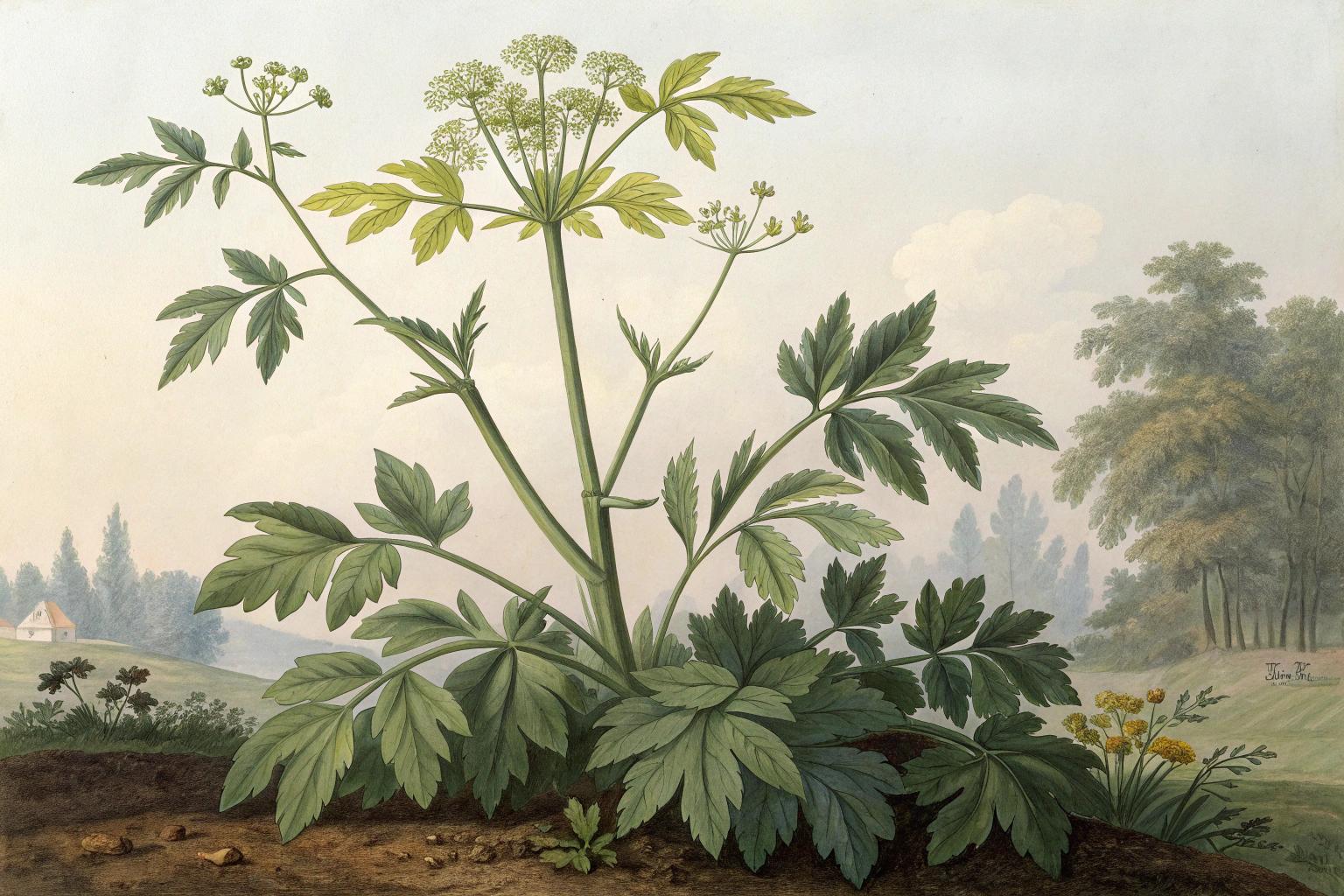
- Botany: Levisticum officinale, perennial in the Apiaceae family.
- Hardiness: USDA Zones 4 to 8, with mulch; roughly RHS H6 in the UK.
- Size: 4 to 8 ft tall (1.2 to 2.4 m), 2 to 3 ft wide (60 to 90 cm).
- Flavor: Concentrated celery with a citrus-anise snap; use sparingly.
- Edible parts: Leaves, stalks, seeds, and roots.
- Lifespan: Productive for 5 to 7 years before division refreshes vigor.
“Lovage is a tall, long-lived herb for sun or light shade, with hollow stems and umbels that feed beneficial insects.” — Royal Horticultural Society (RHS)
Site and soil: set it up to thrive
Give lovage full sun in cool-summer regions or light afternoon shade where summers scorch. Aim for deep, moisture-retentive loam with sharp drainage, pH 6.5 to 7.5, and dig deeply because the taproot likes to roam.
I prep the spot with 2 inches (5 cm) of compost, a light sprinkle of rock dust for calcium and micronutrients, and a broadfork pass to loosen subsoil without flipping it. That single hour of setup pays dividends for years.
Seed, division, and timing that works
Fresh seed matters, since lovage seed loses viability fast after one year; I buy or save seed each season. Sow late winter to spring at 65 to 72 F (18 to 22 C), 0.25 inch (6 mm) deep, and expect germination in 10 to 21 days.
Chilling seed in the refrigerator for 2 weeks can improve sprouting consistency. Division is foolproof: split mature crowns in early spring or autumn, keeping two to three buds per piece, and replant promptly.
“Seeds of lovage perform best when sown fresh; viability drops rapidly after storage.” — Herb Society of America
Transplanting and spacing
Space plants 24 to 36 inches apart (60 to 90 cm), and water them in with a kelp or humic-acid drench to settle roots. I stake the first year with a simple bamboo triangle so wind doesn’t lever the crown.
Water, feeding, and cutbacks
Keep soil evenly moist, about 1 inch (2.5 cm) of water per week in summer, more during heat waves, and mulch 2 inches (5 cm) deep. Overfeeding nitrogen gives floppy growth, so I use a balanced organic fertilizer at half rate in spring and side-dress with compost after the first flush.
For leaf production, snip off the first flower Umbels, then allow some to bloom later for beneficial insects. I cut the whole clump to 6 inches (15 cm) midseason to trigger tender regrowth for summer soups.
“Removing flowering stems prolongs leafy growth and improves flavor.” — Royal Horticultural Society (RHS)
Pests and disease: smart prevention
Young shoots tempt slugs, so I ring plants with crushed oyster shell or use beer traps until stems toughen. In the Apiaceae crowd, aphids and leaf miners show up, yet lovage flowers invite hoverflies and lacewings that clean house within a week.
Carrot fly can wander in where Apiaceae are dense, so rotate away from carrots and parsnips and use 18 inch (45 cm) barrier mesh if pressure is high. Space well for airflow to avoid Septoria leaf spot and powdery mildew, and water at soil level to keep foliage dry.
Overwintering and dividing for longevity
Foliage dies back with frost, which is normal, so I top-dress with compost and mulch 2 inches (5 cm) in late fall. Every 3 to 4 years, divide the crown to reset vigor and prevent a woody center.
Container culture that actually works
Use a 18 to 24 inch (45 to 60 cm) wide pot, at least 16 inches (40 cm) deep, filled with a peat-free mix amended with 20 percent finished compost and 10 percent pine bark fines. Water more often than in-ground plants and feed lightly in spring, then monthly with fish or seaweed fertilizer at low dose.
In cold climates, slide the pot against a south-facing wall or heel it into a leaf pile for winter. Containers freeze-thaw harder, so that little move protects the crown.
Harvest with a cook’s eye
Leaves taste brightest in cool weather; I harvest in the morning and chop a thumb-sized amount into broths, beans, and potato salads. Hollow stems make a wicked Bloody Mary straw, and the aroma perfumes the drink.
Snip flower umbels while green for pickles, or let them tan and shake out the seeds for baking and spice blends. Roots dug in late fall of year two roast like a spicy parsnip and lend depth to vegetable stock.
Preserve the haul
- Herb salt: 1 part fine sea salt to 1 part minced lovage leaves, spread thin, air-dry, jar tight.
- Compound butter: 4 parts butter, 1 part chopped lovage, lemon zest, black pepper, freeze in coins.
- Green oil: blitz leaves with neutral oil, strain, refrigerate a week, then freeze in cubes.
- Seed vinegar: toast seeds lightly, steep in warm cider vinegar 2 weeks, bottle.
Design and companion tactics
I park lovage on the north edge of beds so it doesn’t throw shade on smaller crops. Its umbels lure parasitic wasps that help keep brassicas clean, and that single plant can function like a mini insectary.
Since it shares pests with carrots, I separate plantings by distance and time. The foliage mass also makes a useful windbreak for tender basil starts in June.
Buying guide and cost expectations
For seed, check the pack date and favor suppliers who list current-year harvest, since freshness matters. Expect seed packets to run 3 to 6 USD or 3 to 6 EUR, and potted starts 8 to 15 USD or 8 to 15 EUR depending on pot size.
When buying crowns, choose firm, well-budded pieces with white, active roots and no sour smell. I skip any plant with roots circling the pot or foliage already bolting on the bench.
My field notes on flavor management
Spring growth tastes clean and bright, perfect for salads and salsa verde. Summer growth runs louder, so I use it in cooked dishes and broth where heat mellows the oils.
If leaves ever taste soapy, that plant dried out; a good soak and a cutback fixes it in a week. After storms, I strip damaged stalks fast, since torn tissue invites disease.
Calendar for Growing Lovage
- Late winter: start seed under lights at 65 to 72 F (18 to 22 C), or chill seed for 2 weeks first.
- Spring: transplant after frost, mulch, and pinch the first flower stems for leaves.
- Early summer: side-dress compost, stake if windy, harvest lightly but often.
- Midsummer: hard cut to 6 inches (15 cm) for tender regrowth and to reset flavor.
- Late summer: save seed from the best plant; dry umbels in paper bags.
- Autumn: divide mature crowns, compost top-dress, leaf mulch, and tidy stems.
Answers to common questions
Is lovage invasive? It self-sows if you let seed ripen, so deadhead to control spread, and it pulls easily if a volunteer pops up in the wrong place.
Is it safe for pets and kids? It is a culinary herb, yet as with any strong Apiaceae plant, moderate use makes sense; avoid if there are plant allergies in the family, and supervise curious grazers.
How long does a patch last? With division every few years and good mulch, a clump can stay productive for a decade.
Can I grow it in hot climates? Give afternoon shade, deep mulch, and steady moisture; flavor improves when the plant doesn’t cook.
Comparisons and alternatives
- Lovage vs celery leaf: lovage hits harder with volatile oils; celery leaf tastes softer and needs more volume.
- Lovage vs parsley: parsley brings freshness; lovage brings umami and body to broths.
- Lovage vs angelica: angelica skews floral and sweet; lovage stays savory and kitchen-ready.
- Other tall herb anchors: sweet cicely for anise sweetness, bronze fennel for smoky licorice, mitsuba for shade gardens.
Ecology and soil health
That deep taproot mines minerals and feeds soil life when you chop-and-drop summer trimmings. I brew a light green tea from prunings and use it as a foliar every 3 weeks in summer to keep leaves glossy without pushing soft growth.
Credible references I trust
Royal Horticultural Society: cultivation guidance, spacing, and cutback advice. Missouri Botanical Garden Plant Finder: hardiness and habit details.
Herb Society of America: notes on seed freshness and historical culinary use. Several university extension bulletins echo the same approach on water, mulch, and pest management.
Frequently Asked Questions
What type of soil supports optimal growth?
Rich, well-draining soil enriched with organic compost promotes lush, healthy growth. A neutral to slightly alkaline pH (6.0-7.5) is ideal for this aromatic herb.
How much sunlight does this herb require?
For vigorous foliage, provide full sun to partial shade. Areas receiving at least 5 to 6 hours of daily sunlight encourage vibrant leaves and flavorful stems.
How frequently should watering occur?
Maintain evenly moist soil by watering regularly—approximately once or twice weekly, particularly during warm summer months. Check soil moisture frequently to avoid waterlogging or dryness.
What is the best time and method for harvesting?
Begin harvesting leaves and stems early in the growing season, typically in late spring or early summer. Use sharp garden shears and harvest regularly to promote fresh growth. Harvested leaves offer the most potent flavor when cut in the morning.
Are there common pests or diseases, and how can they be managed?
This resilient plant experiences few issues, but occasional aphid visits may occur. Address aphids promptly by spraying with water or applying an organic insecticidal soap. Practice crop rotation and adequate spacing to prevent disease.
Can containers or pots be used effectively?
Yes, containers of at least 12 inches (30 cm) in depth and width accommodate vigorous root growth. Select pots with drainage holes and fill them with nutrient-rich potting mix for best results.
Will this herb withstand cold weather conditions?
This hardy perennial tolerates cold weather and frost, surviving temperatures down to approximately -20°F (-29°C). Mulching around the plant base in winter offers additional protection in harsher climates.
Growing Lovage pays off with a tall, generous herb that tastes like bright celery. A hardy perennial that returns for years. Give it deep, fertile soil, steady water, and room. Sun helps, light shade is fine. Start from seed or a division. Keep leaves tender by snipping flower stalks. Mulch, then divide clumps every few years. Harvest young leaves for stocks and salads, save seeds for pickles. Tough plant, light on problems, but keep drainage honest.
Build a kitchen bed that works. Pair lovage with dill for feathery contrast and pollinators, tuck in chives for bite, and grow a little celery if you crave more crunch. Keep one lovage to bloom for the bees, cut the rest for the pot. Simple care, big flavor. That is the point of Growing Lovage.