Growing Sorrel for Fresh Flavor and a Healthy Garden Harvest
Growing Sorrel
Growing Sorrel is simple: sow in cool soil, 1/4 in deep, 12 in apart, and keep the bed evenly moist. Growing Sorrel thrives in full sun to part shade, pH 5.5–7.0, in compost-rich loam with good drainage. Growing Sorrel yields perennial greens; harvest baby leaves at 4–6 in, clip outer leaves weekly, and divide crowns every 2–3 years. Bright, lemony bite that slices through fatty dishes—this herb pays rent in every bed; stick around for more.
Table of Contents
- Growing Sorrel for Fresh Flavor and a Healthy Garden Harvest
- Why sorrel earns a permanent spot
- Site, soil, and climate
- My fast planting formula
- Top sorrel varieties I buy again
- Care that keeps flavor high
- Harvest timing and yield
- Culinary playbook
- Health and safety notes from experience and research
- Pest and disease management without drama
Cheatsheet: Sorrel for Vibrant Flavor & Garden Health
🌱 Choose the Right Sorrel
- Garden sorrel (Rumex acetosa): classic, tangy
- French sorrel: milder, lemony
🔆 Site & Soil
- Full sun or partial shade
- Moist, well-drained soil, pH 5.5-6.8
- Mix in compost for nutrients
📅 Sowing & Timing
- Direct sow late spring (soil 50-70°F / 10-21°C)
- Space seeds 1 inch (2.5 cm) apart, 1/2 inch (1.2 cm) deep
- Thin to 12 inches (30 cm) apart
- Perennial: lives 3-5 years
💧 Care & Maintenance
- Water: 1 inch (2.5 cm) weekly
- Mulch to retain moisture
- Remove flower stalks to prolong harvest
- Top-dress with compost yearly
✂️ Harvest Tips
- Begin harvesting at 4 inches (10 cm) tall
- Pick outer leaves, allow center to regrow
- Yield: up to 2 lbs (1 kg) per plant/season
🔨 Tools & Products You'll Need
- Hand trowel
- Watering can
- Mulch
- Pruning shears
- Compost or organic fertilizer
🥗 Fresh Uses & Wellness
- Rich in vitamin C, A, iron, magnesium
- Add tang to salads, soups, sauces
- Acts as mild natural pest repellant
🌿 Steps to Grow Sorrel
- Prep bed with compost and loosen soil
- Sow seeds as above, keep soil moist
- Thin seedlings to 12 inches (30 cm) apart
- Water weekly and mulch
- Harvest leaves as plant matures
Growing Sorrel for Fresh Flavor and a Healthy Garden Harvest
Growing Sorrel gives you a citrusy, perennial leaf that wakes up sauces, soups, eggs, and fish with almost zero effort. I keep a patch near the path because I graze it like a kid in a berry row.
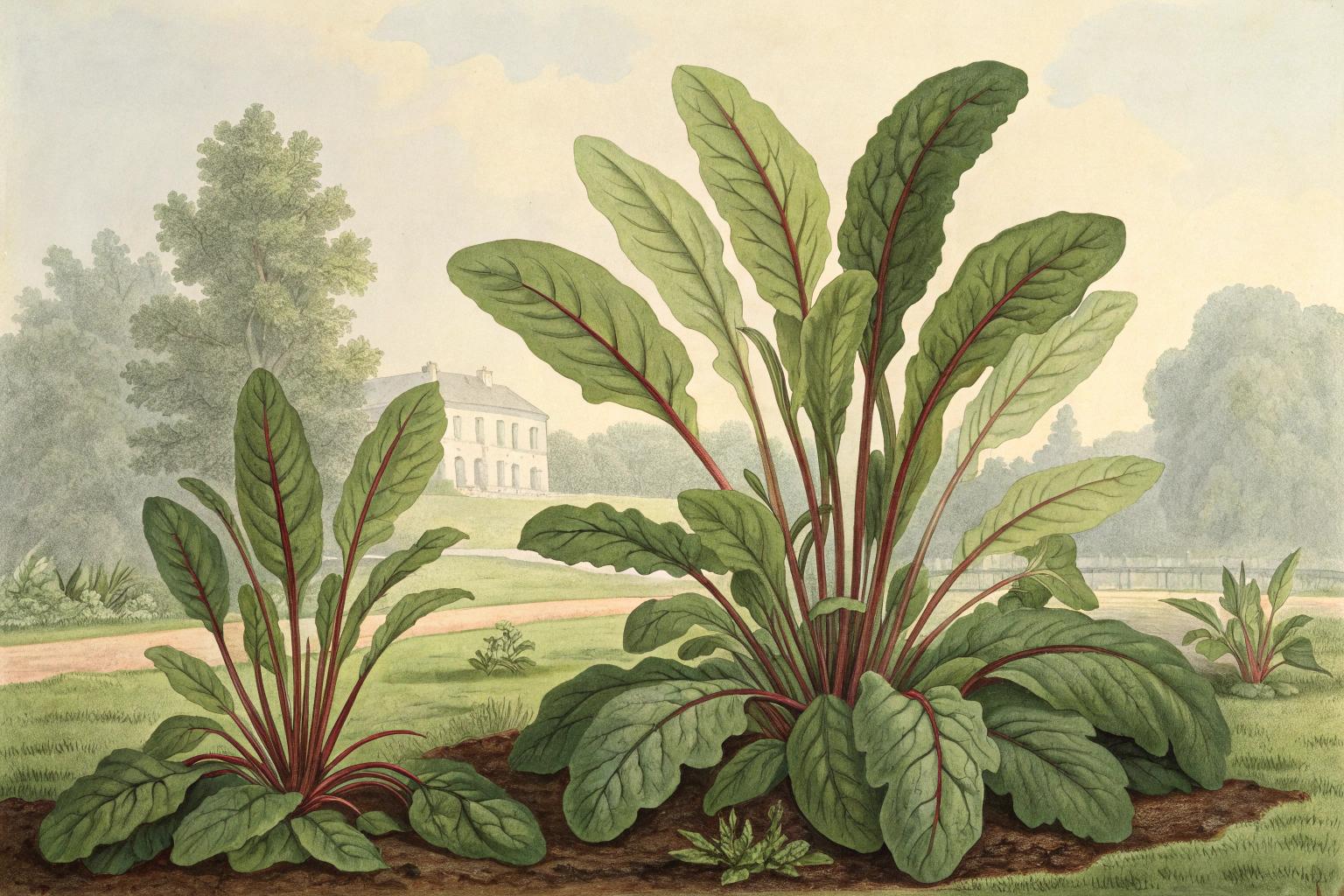
Sorrel is Rumex, a cousin of dock with better table manners. French sorrel is round-leaved and silky, garden sorrel is arrow-shaped and punchy, and red-veined sorrel glows like stained glass in salads.
Why sorrel earns a permanent spot
It is one of the first greens out of winter, so it bridges the hungry gap before lettuce cooperates. It tolerates neglect, rebounds after cuts, and in my beds it doubles as living mulch around slower spring crops.
That lemon tang comes from oxalic acid, which drops in cool weather and spikes in heat. I chase spring and fall cuts for the sweetest leaf.
"USDA FoodData Central lists roughly 48 mg vitamin C per 100 g of raw sorrel," a bright hit that explains why sorrel soup tastes like spring itself. (USDA FoodData Central)
Site, soil, and climate
Plant in sun to part shade, with afternoon shade in hot regions. I aim for soil pH 5.5 to 6.8 and keep it evenly moist with compost-rich loam.
Ideal growth runs 50 to 75 F or 10 to 24 C. Crowns overwinter in USDA zones 4 to 9, shrugging off light freezes to about 20 F or minus 6 C under mulch.
My fast planting formula
Sow seed 1/4 inch or 6 mm deep after soil hits 45 F or 7 C, or start indoors 4 weeks earlier. Transplant or thin to 12 to 18 inches or 30 to 45 cm for steady airflow and fat leaves.
I side-dress with finished compost at planting, then again after the second cut. Sorrel hates waterlogged roots more than a chef hates a dull knife, so I lift beds and avoid heavy, puddled spots.
Container growing that actually works
Use a 3 to 5 gallon or 11 to 19 L pot with generous drainage. Mix 60 percent quality potting media, 30 percent compost, 10 percent sharp sand, then mulch thinly to keep splash off the leaves.
Water when the top inch feels dry. I feed with a mild organic liquid every 3 weeks during active growth.
Top sorrel varieties I buy again
- French sorrel, Rumex scutatus: tender, mellow, great for sauces and purees.
- Garden sorrel, Rumex acetosa: bigger leaves, brighter bite, dependable in tough soil.
- Red-veined sorrel, Rumex sanguineus: striking crimson veins, milder flavor, salad star.
- Belleville or Blond de Lyon: broad-leaf selection that resists early bolting in my zone 6b.
- Buckler-leaved: small shield-shaped leaves with delicate texture for garnish and tarts.
Care that keeps flavor high
Keep soil moisture steady to prevent bitterness and early flower stalks. I harvest a third of each plant at a time and leave the crown fat with leaves so it rebounds fast.
As soon as I see a flower stem, I cut it low. That single cut reroutes energy back into leaf production and it works every time.
Feeding regimen that stays simple
Early spring, I give each plant a trowel of compost and a light sprinkle of an organic 4-4-4. Midseason, a dilute fish and kelp tea revives heat-tired plants when temps push above 85 F or 29 C.
If growth looks pale but soil tests fine, I add a pinch of sulfate of potash for stronger cell walls and cleaner cuts.
Harvest timing and yield
Baby leaves hit in 30 to 40 days, full leaves in 45 to 60. A mature clump can give 0.5 to 1 pound or 225 to 450 g per plant per season in my beds with three to five big cuts.
Cut in the morning for highest turgor. I rinse, spin dry, and use at once or wrap in a barely damp towel for 3 days of fridge life.
Culinary playbook
I blitz sorrel with butter until it turns khaki and tangy, then fold into eggs or spoon over trout. The color shift looks odd and tastes incredible.
Dairy softens the acidity, and a single leaf shaved over raw oysters makes the brine sing. I love it minced into chimichurri for lamb.
Health and safety notes from experience and research
Sorrel’s oxalates bring the pucker, and blanching reduces that load. The National Kidney Foundation advises limiting high oxalate foods if you form calcium oxalate stones, so talk to your clinician and cook sorrel if that fits your situation. (National Kidney Foundation)
As with spinach and beet greens, variety in your greens rotation is smart. I rotate sorrel with lettuce, chard, and mustards across the week.
Pest and disease management without drama
Slugs love tender leaves. I rely on sharp copper bands around pots, iron phosphate bait when pressure spikes, and morning hand-picks after rain.
Flea beetles and leaf miners leave freckles and tunnels. Floating row cover from transplant solves 90 percent of it, and clean harvest of damaged leaves interrupts the cycle.
Rust can show up in muggy spells as orange pustules. Improve airflow, cut hard to renew foliage, and feed lightly so you grow leaf, not disease.
Regrowing, dividing, and keeping it perennial
Every 2 to 3 years, I lift and divide in early spring just as new shoots emerge. A sharp spade, three divisions, fresh compost, and the clump behaves like a new plant.
Self-sown seedlings appear if you let seedheads mature. I rogue out off-types and keep a couple for genetic diversity.
Companions and clever placement
Sorrel edges beds nicely around strawberries, where its shade cools berry crowns and blocks weeds. I keep it away from potatoes and rhubarb to simplify harvest and avoid look-alike confusion.
As a border, it slows splash on neighboring greens. The leaves make a good sacrificial edge for flea beetles that spares arugula in spring.
Season extension and heat strategy
In heat above 85 F or 29 C, I give 30 percent shade cloth and a deep mulch. Cut hard, water deeply every 3 to 4 days, and flavor stays civilized.
In winter, I cage the clumps with hoops and a single layer of fabric down to 20 F or minus 6 C. In colder snaps, a leaf mold mulch carries crowns through.
Soil science in plain clothes
Sorrel behaves like a light nutrient accumulator, often testing high for potassium. I chop spent leaves into compost where that K returns as a tilth booster for fruiting crops.
If your sorrel tastes flat, check pH and sulfur. A tiny elemental sulfur dressing on alkaline soils perks up the lemon note by the next flush.
Seed, starts, and what I actually buy
- Certified seed for named varieties if you want predictable flavor and bolt resistance.
- Healthy nursery starts with tight crowns and bright leaves for instant harvests.
- Organic compost, slow-release organic 4-4-4, and iron phosphate slug bait for low-stress care.
- Lightweight row cover and a simple soil pH kit to keep the baseline right.
- 3 to 5 gallon or 11 to 19 L fabric pots for balcony growing with strong drainage.
Smart calendar for Growing Sorrel
- Late winter: soil test, add compost, pre-sprout seed indoors if spring is short.
- Early spring: transplant, row cover, first light cut at 30 to 40 days.
- Late spring: side-dress, remove flower stalks, deep mulch as heat arrives.
- Fall: divide clumps, sow a new row for cool-weather tenderness.
- Early winter: mulch crowns, harvest sparingly on mild days.
Common mistakes I still see
- Letting plants dry out, which spikes acidity and bitterness.
- Overfeeding nitrogen, which swells leaves but waters down flavor.
- Ignoring flower stems for a week, then wondering why leaves turned thin and tart.
- Planting in full blast afternoon sun in July without shade, then blaming the seed.
Field notes and small revelations
Sorrel puree fixes a flat roast chicken gravy faster than lemon ever could. A teaspoon and the sauce pops without extra salt.
Bees ignore sorrel flowers since they carry wind-pollinated dust, so I cut them and keep real nectar flowing elsewhere. That keeps the insect party where it counts.
Stats and trusted references
Royal Horticultural Society advises fertile, moisture-retentive soil and regular cutting to keep plants from bolting early. (RHS)
University of Minnesota Extension notes sorrel thrives in cool seasons and benefits from partial shade in warm climates. (University of Minnesota Extension)
National Kidney Foundation flags oxalate considerations for stone formers, which aligns with my cook-then-eat approach in summer. (National Kidney Foundation)
"Cut early, cut often, and sorrel will feed you eight months a year," an old market grower told me at dawn over coffee. I tested it, and he was right.
Frequently Asked Questions About Growing Sorrel
What soil conditions support healthy sorrel growth?
Sorrel thrives best in rich, well-draining soil with a slightly acidic to neutral pH between 5.5 and 6.8. Regularly amending the planting area with organic matter, such as compost or aged manure, ensures consistent nutrient availability for vigorous leaf production.
How much sunlight does sorrel require?
Sorrel plants grow vigorously in locations receiving full sun to partial shade. Aim for at least 6 hours of direct sunlight daily to stimulate abundant leaf growth and vibrant color.
How frequently should sorrel be watered?
Consistent moisture is key to maintaining healthy sorrel plants. Water regularly, aiming for roughly 1 inch (2.5 cm) per week, increasing the frequency slightly during hot or dry weather. Apply water directly at the soil level to prevent leaf diseases and fungal issues.
At what temperature range does sorrel grow best?
Sorrel performs optimally in moderate climates and tolerates temperatures between 45°F to 75°F (7°C to 24°C). It withstands light frost but may struggle during extended periods of extreme heat, requiring partial shading during hotter weather.
Can sorrel be grown successfully in pots?
Yes, sorrel adapts well to container gardening. Choose a container at least 12 inches (30 cm) wide and deep, ensuring ample space for root development. Position pots in a sunny spot with regular watering and feeding to promote steady leaf production.
What pests commonly affect sorrel plants?
Common pests include aphids, slugs, and snails, which feed on young leaves. Regular inspection, manual removal, and organic solutions like neem oil or diatomaceous earth effectively control these pests and preserve plant health.
When and how should sorrel be harvested?
Sorrel leaves are harvestable after plants reach about 4 to 6 inches (10 to 15 cm) tall. Harvest outer leaves first, leaving the central leaves intact to continue growth. Regular harvest encourages new shoots and continuous leaf production throughout the growing season.
Growing Sorrel delivers a bright, lemony snap that wakes up gardens and meals. Set it in rich, moist soil with slight acidity. Give spring sun, offer summer shade. Pick outer leaves while young for clean flavor, and snip flower stalks to keep it tender. Mulch, water during heat, and feed with light compost. Split aging clumps every couple of years to keep the patch lively.
Round out the cool season with quick partners like arugula, kale, or radishes for steady harvests. In the kitchen, sorrel shines in omelets, simple sauces for fish, and brisk soups. Keep it simple, keep it fresh, and Growing Sorrel will pay you back from early spring to hard frost.